


 Trending

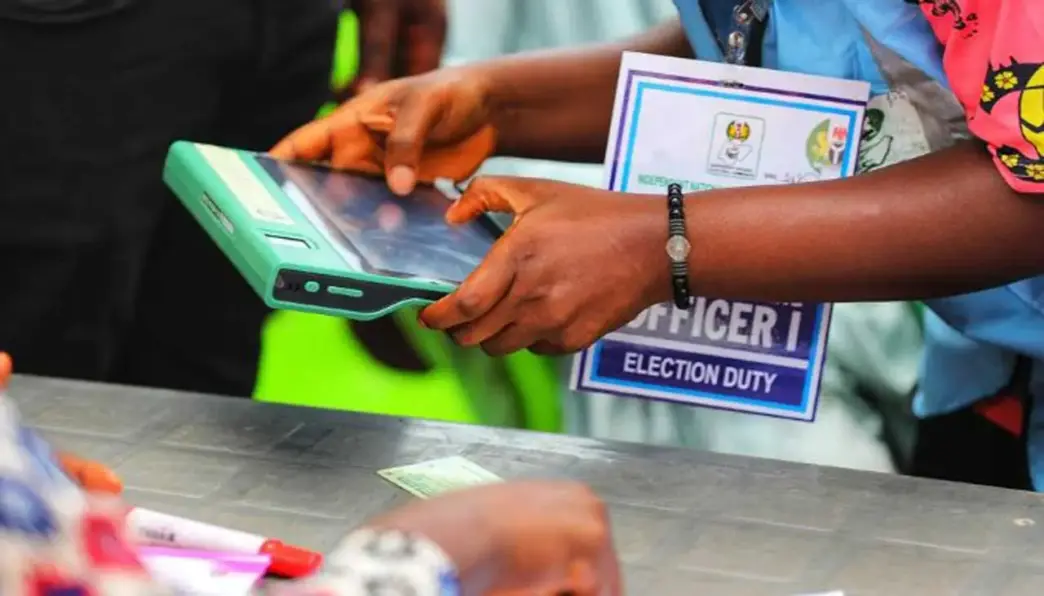
The Independent National Electoral Commission has been urged to address operational and technological gaps identified during its nationwide mock accreditation and results upload exercise ahead of the 2027 general elections.
The call followed findings by Yiaga Africa, which monitored the exercise in 300 sampled polling units across the country.
The organisation reported delays in the deployment of election materials, malfunctioning Bimodal Voter Accreditation System devices, discrepancies in polling unit data and alleged violations of results upload procedures.
Read More : How Lagos Senator Idiat Adebule Died at 56
In its preliminary statement released on Saturday, Yiaga Africa said the BVAS functioned satisfactorily in most of the polling units observed. However, it warned that the exercise exposed weaknesses that could undermine INEC‘s preparedness for the 2027 elections if left unaddressed.
The statement was signed by the organisation’s Board Chairman, Dr Hussaini Abdu, and Executive Director, Samson Itodo.
Yiaga Africa said only 36 per cent of the observed polling units had commenced the exercise by 9:30 a.m. The figure rose to 64 per cent by 10 a.m., while some locations had yet to begin several hours later.
It cited Fadan Karshi I polling unit in Sanga Local Government Area of Kaduna State, where INEC officials reportedly arrived at 1:40 p.m.
At Wanikde Playground polling unit in Yala Local Government Area of Cross River State, officials had not arrived as of 1:30 p.m.
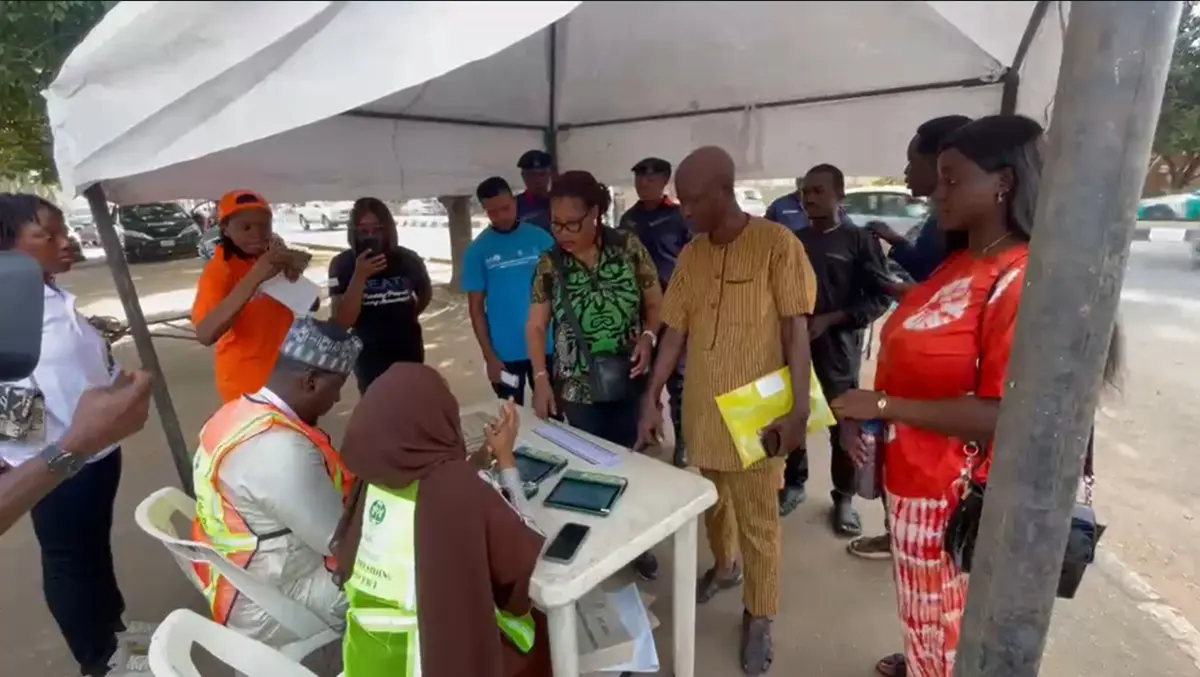
The organisation also reported that officials arrived at Effraya International Market polling unit in Etung Local Government Area of Cross River State without voting materials. Voters were left waiting for ballot papers expected to arrive by 2 p.m.
On voter accreditation, Yiaga Africa said BVAS processing time averaged between one and two minutes in 68 per cent of the polling units observed. Another 27 per cent recorded processing times of between three and five minutes, while four per cent took between six and 10 minutes.
However, it documented technical problems in some locations.
At Oshin Ladega polling unit in Ikorodu Local Government Area of Lagos State, officials reportedly arrived with two BVAS devices instead of the three expected.
At Gumbi/Wajake Yar Abba polling unit in Wamakko Local Government Area of Sokoto State, a malfunctioning BVAS disrupted accreditation for about one hour. The device became functional after its MTN SIM card was replaced with an Airtel SIM card.
Similarly, one of the two BVAS devices at Maternity Ogunsola Filling Station polling unit in Ijero Local Government Area of Ekiti State malfunctioned, affecting voters assigned to it.
Yiaga Africa said officials reported that the device, which had 512 registered voters assigned to it, could not be repaired locally because it had been configured in Abuja.
The organisation said the incidents highlighted the need for effective technical support, quick troubleshooting and contingency arrangements for devices deployed during elections.
It also raised concerns about the selection of polling units for the exercise, noting that many had relatively low numbers of registered voters and a history of poor turnout.
According to Yiaga Africa, this limited the exercise’s ability to test the technology under heavy voter traffic.
It urged INEC to include densely populated and historically high-turnout polling units in future mock exercises to provide a more rigorous test of BVAS, particularly following the reported procurement of 57,000 new devices.
On election data integrity, the organisation identified a discrepancy of 453 polling units between the figures published on INEC’s Result Viewing Portal (IReV) and the commission’s official records.
It said IReV listed 176,846 polling units, while INEC’s official figure stood at 177,299.
Yiaga Africa urged the commission to clarify and reconcile the figures to strengthen transparency and public confidence.
The group also identified a shortfall of 47 Registration Areas in the IReV backend configuration.
It said INEC designed the nationwide mock exercise to cover 8,838 Registration Areas, with two polling units in each area. However, the IReV backend was configured with only 8,791.
The discrepancy comprised 18 existing Registration Areas across 11 states and 29 additional areas in Delta State that were not reflected in the system.
Yiaga Africa further identified inconsistencies in local government and Registration Area codes, including an interchange of the Oju and Ohimini Local Government Area codes in Benue State.
It warned that the discrepancies could affect the receipt and publication of results from polling units in excluded areas.
The organisation called for a comprehensive reconciliation of geographical datasets across INEC’s election technology platforms.
It also documented an alleged violation of results upload procedures at Majema II polling unit in Tsanyawa Local Government Area of Kano State.
According to the group, the presiding officer reportedly refused to scan and upload the polling unit result to IReV at the polling unit after the mock exercise.
Instead, the officer directed observers to the INEC office, where they were told the result would be uploaded.
Yiaga Africa described the action as a deviation from prescribed procedures, warning that such practices could undermine transparency and independent verification of election results.
On connectivity, the organisation said some presiding officers relied on personal mobile phone hotspots to connect BVAS devices for transmitting accreditation data and uploading polling unit results.
It warned that the practice could expose sensitive election data to cybersecurity risks and urged INEC to provide secure and reliable connectivity for election officials.
The organisation also said additional safeguards introduced into BVAS to improve the integrity and quality of scanned result sheets created upload difficulties in some polling units.
According to the statement, some devices refused to scan or upload result sheets after detecting inconsistencies between the information on the sheets and the codes configured on the devices.
Yiaga Africa said the safeguards were necessary to protect election results but stressed that they should be adequately tested to prevent delays in uploading legitimate results.
The exercise was also affected by reported incidents of vote-buying and attempted interference.
Yiaga Africa said its observers reported the distribution of ₦3,000 to voters in Ibeno Ward, Ibeno Local Government Area of Akwa Ibom State. They also reported an alleged attempt to influence a presiding officer to inflate figures, but the officer reportedly refused.
A similar distribution of ₦3,000 was reported at Akwanga Central School.
In another incident, an individual allegedly disrupted the exercise at Market Square polling unit in Iwere-Ile I Ward, Iwajowa Local Government Area of Oyo State, by tearing a ballot paper.
The individual was subsequently arrested by the police. However, the absence of replacement ballot papers prevented affected voters from continuing with the exercise.