


 Trending

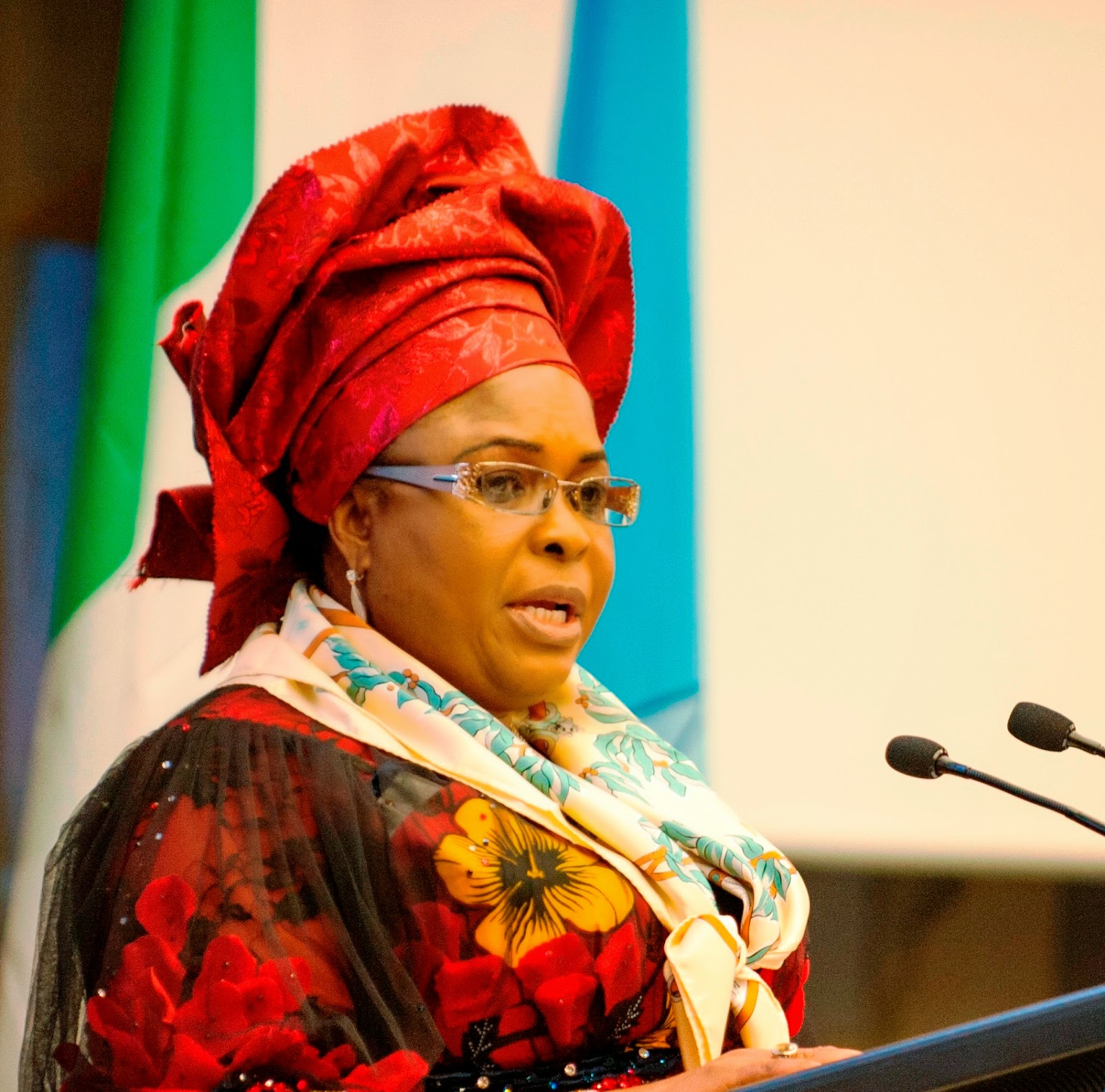
The former First Lady said she regarded the abducted girls as her children and was deeply affected by their disappearance.
She expressed disappointment that some Nigerians mocked her emotional response instead of showing empathy.
Patience recounted the experience during an interview with the Nigerian Television Authority on Saturday.
“2014, that April, I broke down and even as I’m talking to you, I’m feeling it. I’m feeling it inside me,” she said.
“I can’t imagine them. They are my children. So I broke down. I weep,” she added.
She said some people laughed at her reaction and questioned why she was crying over the incident.
“People now start laughing, mocking at me. ‘Why is she crying? Why is she saying is it?’” she recalled.
The former First Lady said the reaction of those who mocked her remained particularly hurtful.
“Those people laughing at that and laughing at me, they have no empathy,” she said.
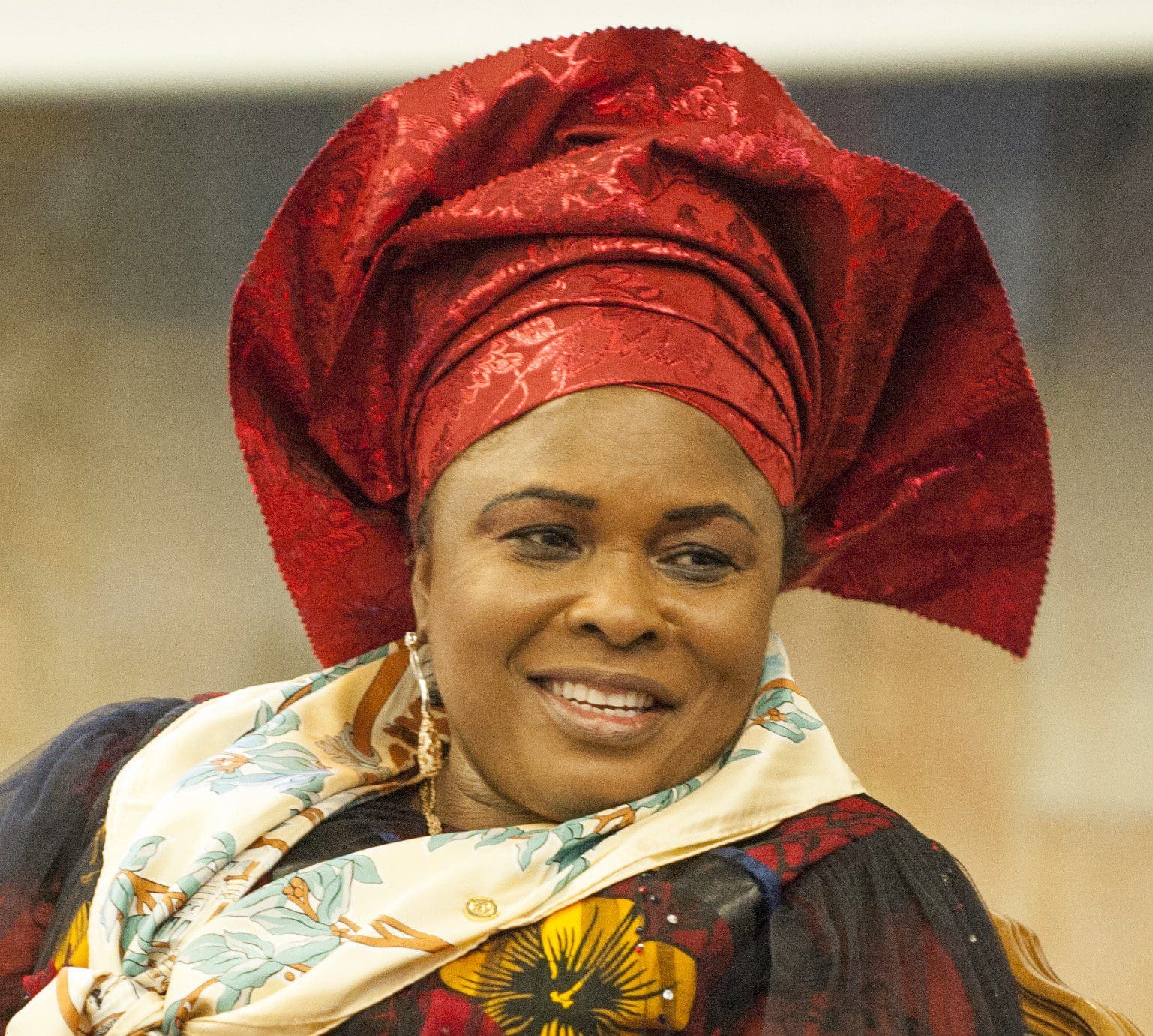
The abduction occurred on April 14, 2014, when Boko Haram insurgents attacked Government Girls Secondary School in Chibok and abducted 276 schoolgirls who were preparing for their examinations.
Fifty-seven of the girls escaped shortly after the attack, while the incident triggered nationwide protests and the international #BringBackOurGirls campaign, which called for the safe return of the missing pupils.
The Jonathan administration faced widespread criticism over its handling of the incident, particularly its initial response and the delay in taking action.
In March 2016, PUNCH reported that then Borno State Governor, Kashim Shettima, said Jonathan called him 19 days after the abduction to discuss the incident.
The Bring Back Our Girls coalition also criticised the former administration, arguing that its initial disbelief and delayed response affected efforts to rescue the girls.
In an April 2016 interview with PUNCH, the group’s spokesman, Tunji Olanrewaju, said the first official response came more than two weeks after the abduction, arguing that an earlier intervention could have improved the chances of rescuing the girls.
In October 2016, 21 of the abducted girls were released following negotiations involving the Nigerian Government, the Swiss Government and the International Committee of the Red Cross.
Another 82 girls were released in May 2017 after further negotiations with Boko Haram.
On Buhari’s congratulatory call
During the interview, Patience also disclosed that she knew about and supported her husband’s decision to call former President Muhammadu Buhari to congratulate him after the 2015 presidential election.
Asked whether the call surprised her, she said she was aware of her husband’s decision and supported it.
“There is nothing my husband do that I’m not part of, I’m not aware. Yes, I was happy,” she said.
She explained that she supported the decision because she feared for her husband’s safety amid the political tension surrounding the election.
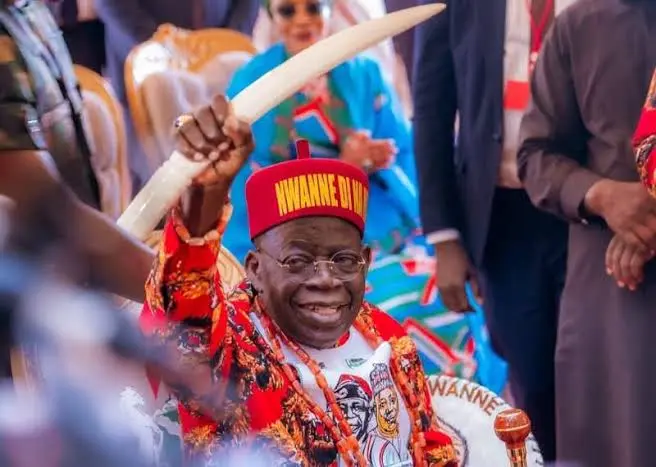
Read More : Tinubu Receives Chieftaincy Title in Enugu
“I want us to go. I was happy with him because I don’t want my husband to be killed,” she said.
Goodluck Jonathan called Buhari on March 31, 2015, to congratulate him on his victory in the presidential election, conceding defeat before the Independent National Electoral Commission formally announced the final results.
The gesture was widely regarded as a significant moment in Nigeria’s democratic transition, as Jonathan became the first incumbent Nigerian president to lose a re-election bid and concede defeat to an opposition candidate.