


 Trending

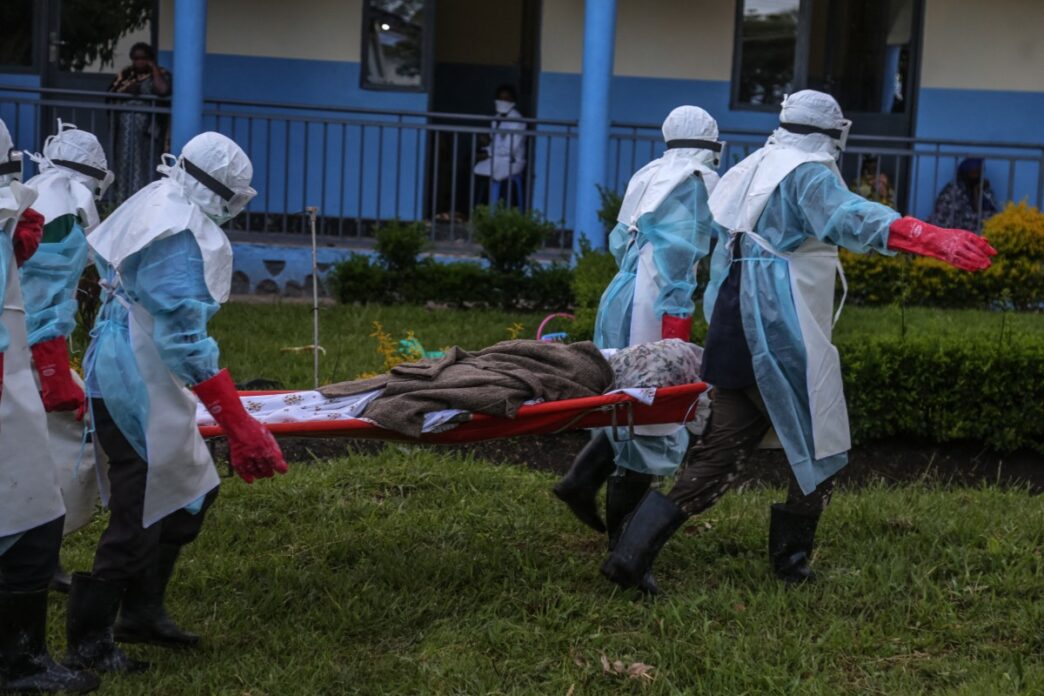
The Ebola outbreak in the Democratic Republic of the Congo (DR Congo) has killed more than 6,000 people and infected 12,254 others, according to government figures.
Data released on Saturday showed that the outbreak has spread across eight provinces. It is the deadliest Ebola outbreak in the country’s history and the second-deadliest globally.
The 2014–2016 Ebola epidemic in Guinea, Liberia and Sierra Leone remains the world’s deadliest. It killed more than 11,000 people.
Read More : Sokoto Clarifies Noma Data, Denies Sudden Surge
DR Congo declared its 17th Ebola outbreak on May 15. Most infections have been reported in the eastern provinces of Ituri and North Kivu, where armed groups have been fighting for decades.
However, the actual death toll could be much higher. Reuters reported on Sunday that its analysis of satellite images from two of the worst-affected areas suggested more people may have died than official figures show.
Nearly half of all confirmed infections have resulted in death. Many patients have either sought medical care too late or avoided health facilities altogether.
Insecurity has also made it harder for health workers to respond. Anna Halford, who coordinates the Ebola response in DR Congo for medical charity Doctors Without Borders (MSF), previously told Al Jazeera that violence was disrupting the delivery of medical supplies and efforts to detect infections in some communities.
Meanwhile, figures released in early November by the Africa Centres for Disease Control and Prevention (Africa CDC) showed that more than 60 per cent of deaths occurred outside treatment centres.
The outbreak has also raised concerns across the continent, with infections reported in Uganda, Kenya and Nigeria. Africa CDC Director-General Jean Kaseya has described it as the most geographically widespread Ebola outbreak in Africa’s history.
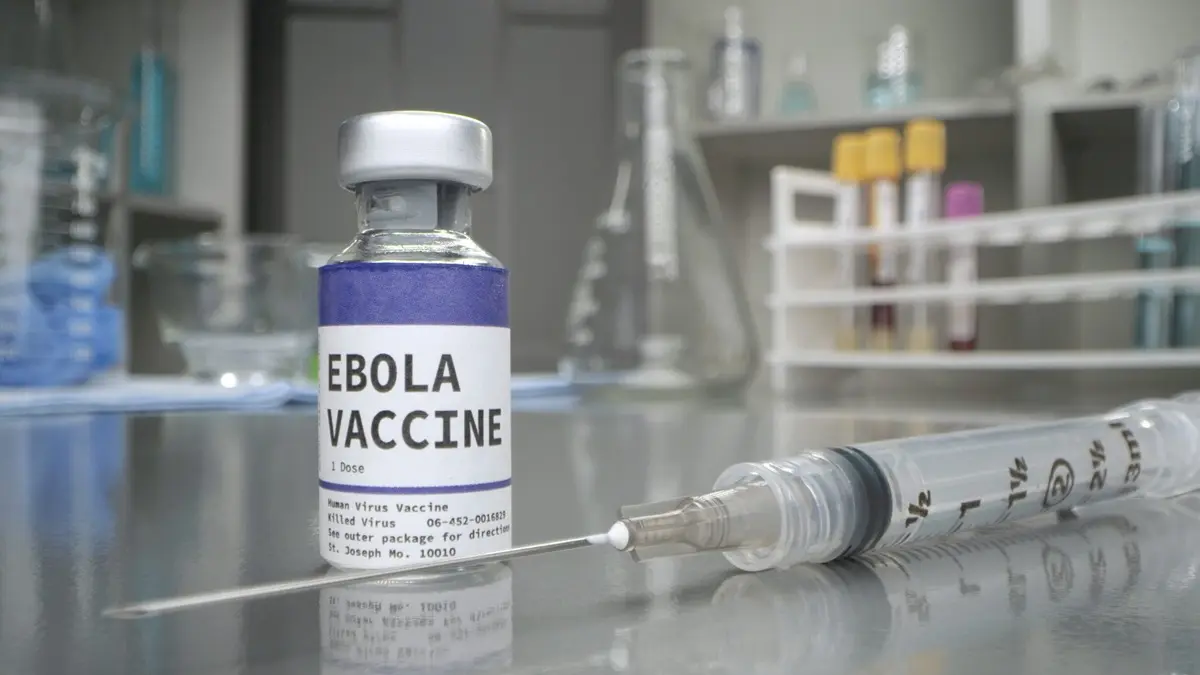
The Bundibugyo virus strain responsible for the outbreak has no approved vaccine or specific treatment. However, researchers are developing several vaccine candidates.
Uganda, which declared its own Ebola outbreak over in July, announced on Friday that it had started trials of an experimental vaccine developed by US pharmaceutical company Moderna.
A second vaccine candidate, developed by the University of Oxford and the Serum Institute of India, is expected to enter clinical trials in DR Congo on Monday.
Gavi, an international alliance that helps lower-income countries access vaccines, has already committed to purchasing 1.5 million doses of the second candidate.
The doses could be made available if the trials prove successful and health authorities approve the vaccine for use.