Trending

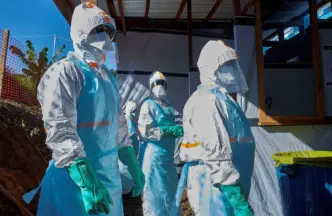
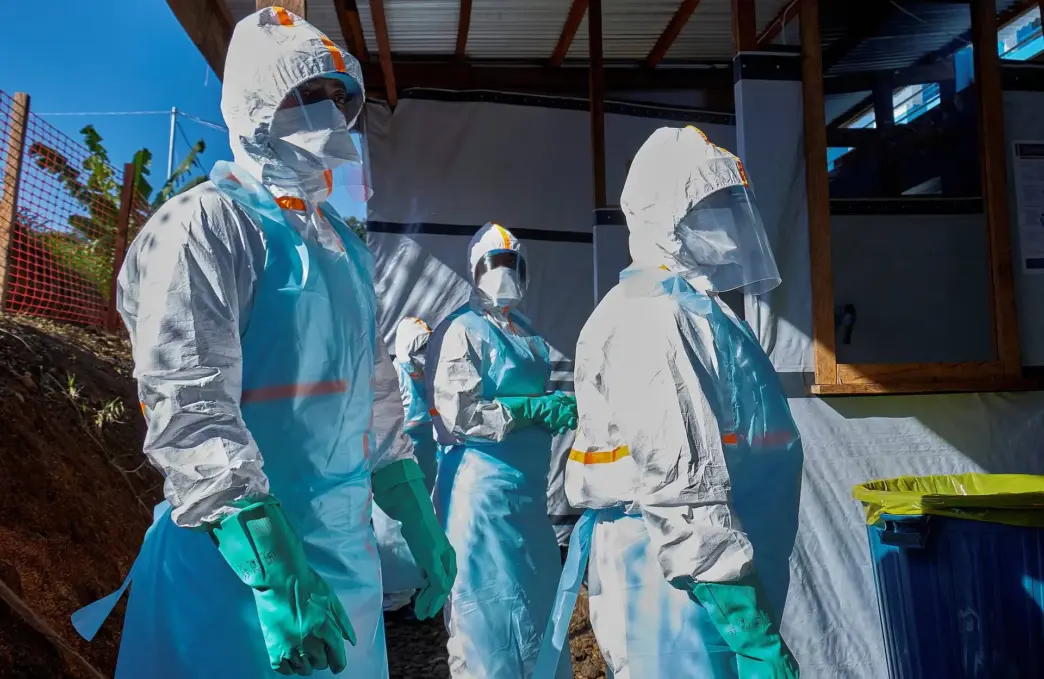
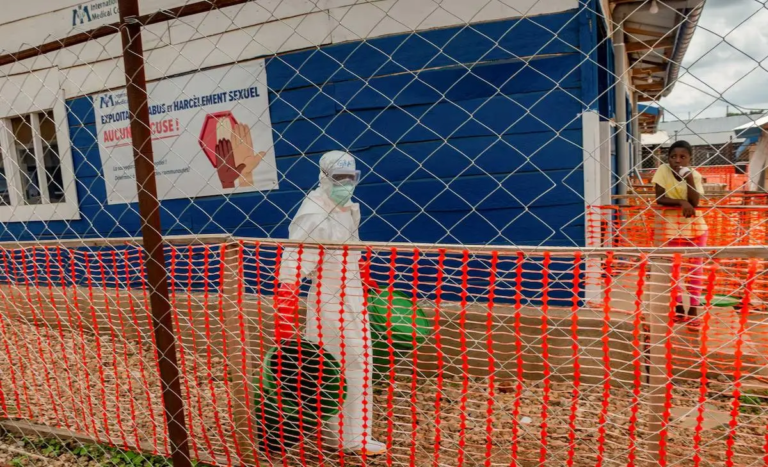
Eastern Democratic Republic of Congo’s Ebola outbreak remains out of control six months after authorities declared it, with infections and fatalities surging at a record pace.
Driven by the rare Bundibugyo strain, the virus is spreading faster than any previously recorded outbreak, alarming public health officials as resource shortages, regional insecurity, and weak coordination hamper containment efforts.
Government data shows the epidemic—now the world’s second-largest on record—has infected more than 11,000 people and killed over 5,500 since May 15.
Official figures reveal that cases and deaths are climbing at twice the pace of the first six months of West Africa’s 2014–2016 epidemic, which remains the deadliest in history after infecting over 28,600 people and killing more than 11,000 across Guinea, Liberia, and Sierra Leone.
Although Congo is battling its 17th Ebola outbreak, the current crisis already dwarfs the nation’s previous record epidemic between 2018 and 2020, which ended with 3,481 cases and 2,299 deaths.
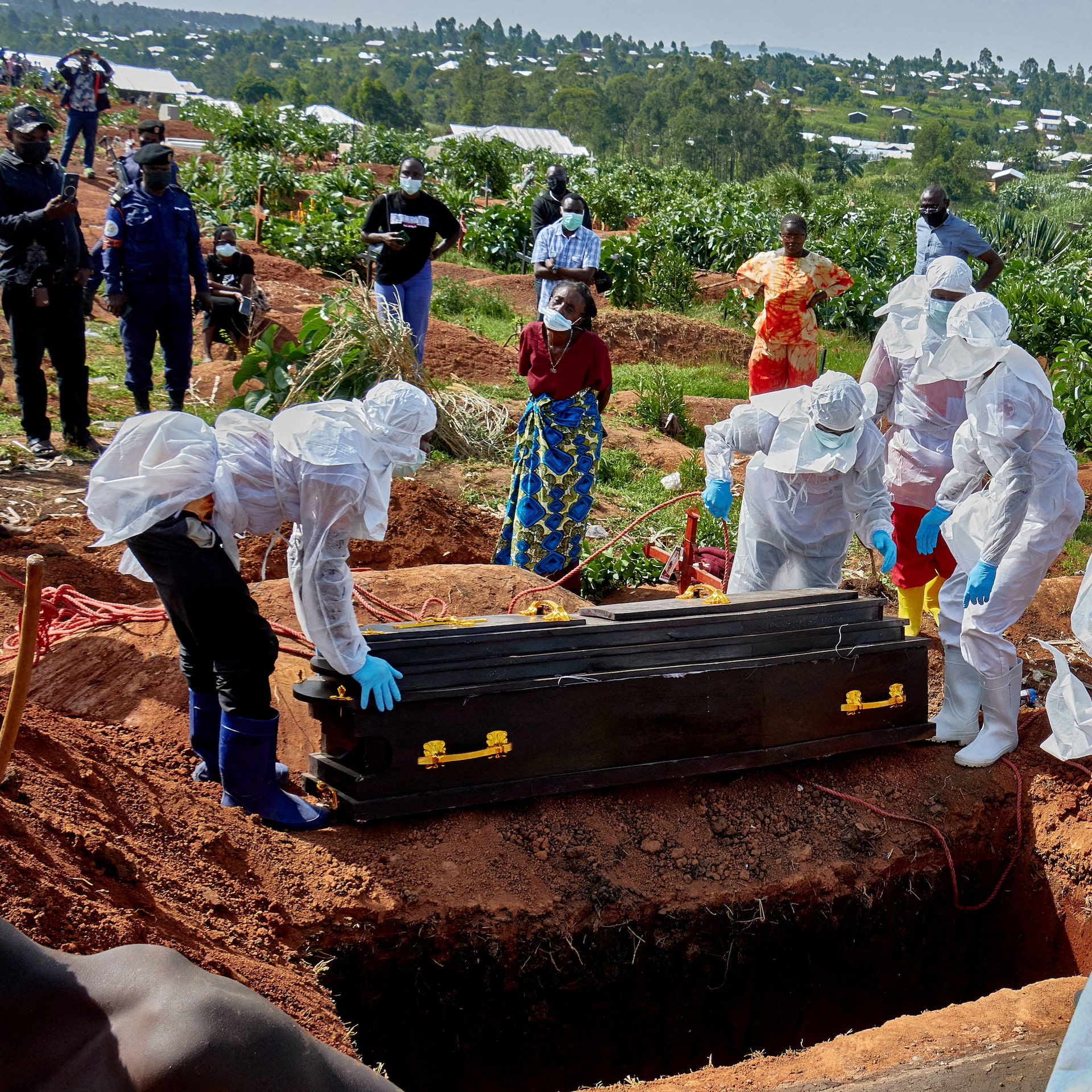
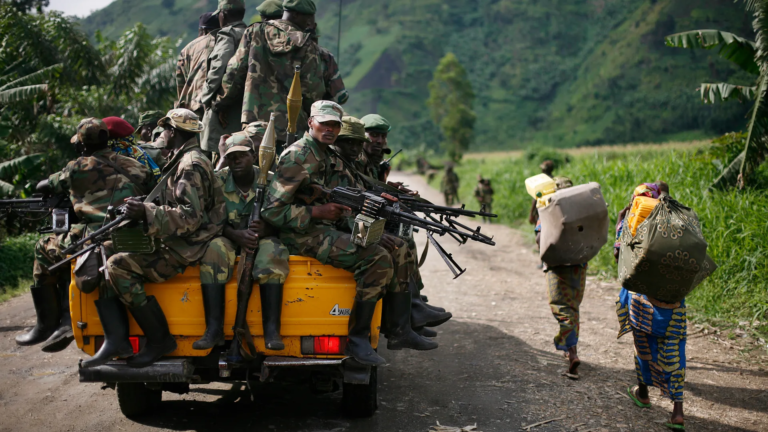
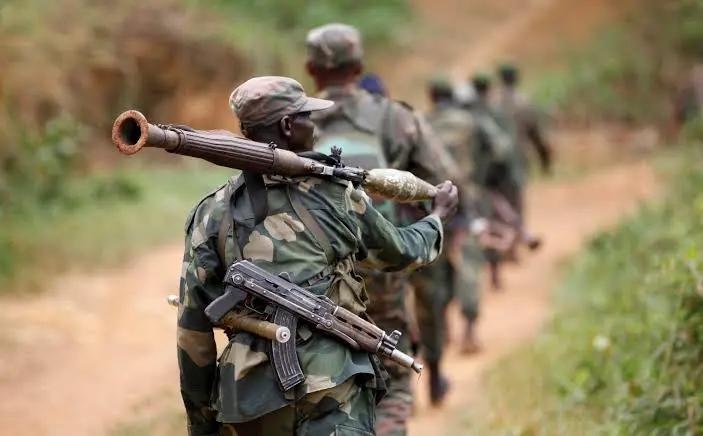
Violence and operational bottlenecks continue to stall the medical response across the region.
Poor Working Conditions
Distrustful local communities have attacked health workers, vehicles, and surveillance teams, prompting World Health Organisation Director-General Tedros Adhanom Ghebreyesus to cite insecurity on Tuesday as one of the steepest barriers to containment.
Meanwhile, medical charity Médecins Sans Frontières warned last week that critical supplies still fail to reach emerging hotspots beyond the initial epicentre in Ituri province.
Read More : IS-Linked Rebels Kill 44 Civilians in DR Congo
Internal labour disputes and delayed international funding are compounding the crisis on the ground.
Health workers have launched strikes over poor working conditions and unpaid wages stretching back to August—a delay Tedros warned is actively slowing the response, though Congolese officials say they are working to resolve the backlog.
Furthermore, Africa’s top public health agency reported that donors have disbursed less than half of the $2.9 billion pledged for the emergency, urging international partners to coordinate closely with Kinshasa to prevent wasteful duplication.