Trending
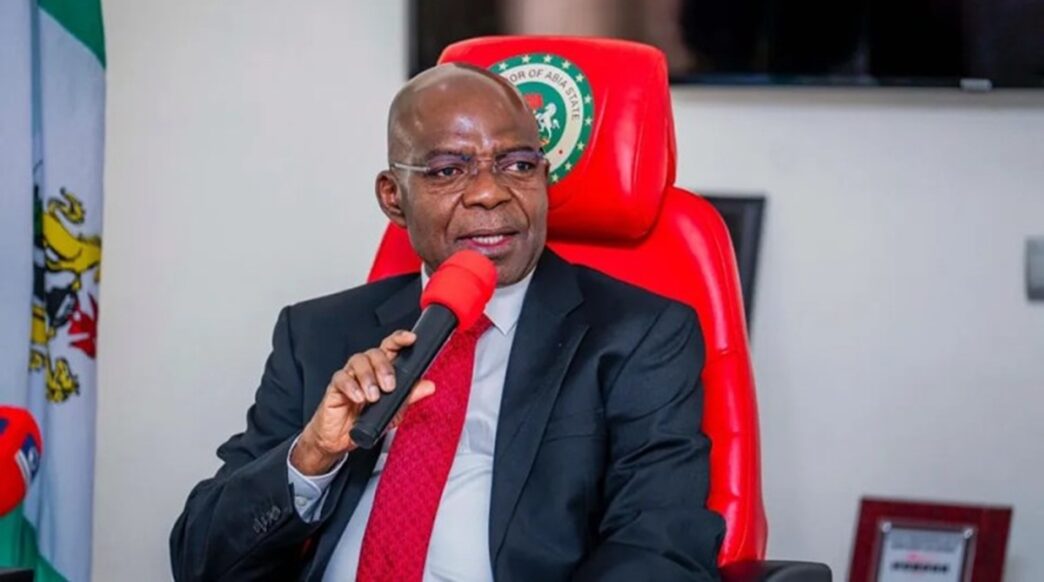
The Abia State Government has dismissed claims that it allocated ₦210 million for the purchase of a photocopier in its 2026 Appropriation Law, attributing the controversy to a clerical error in the budget document.
In a statement issued on Saturday, the Ministry of Budget and Planning explained that budget documents outline estimates and proposed spending plans, which do not automatically amount to actual fund releases.
The ministry noted that the 2026 budget was published on the state’s website on January 31, 2026, in line with its transparency policy.
According to the ministry, page 60 of the document clearly shows that ₦210,831,142 was earmarked for the rehabilitation and repair of residential buildings and staff quarters at the Lagos Liaison Office, while ₦12 million was approved for the procurement of a Sharp photocopier and other office equipment.
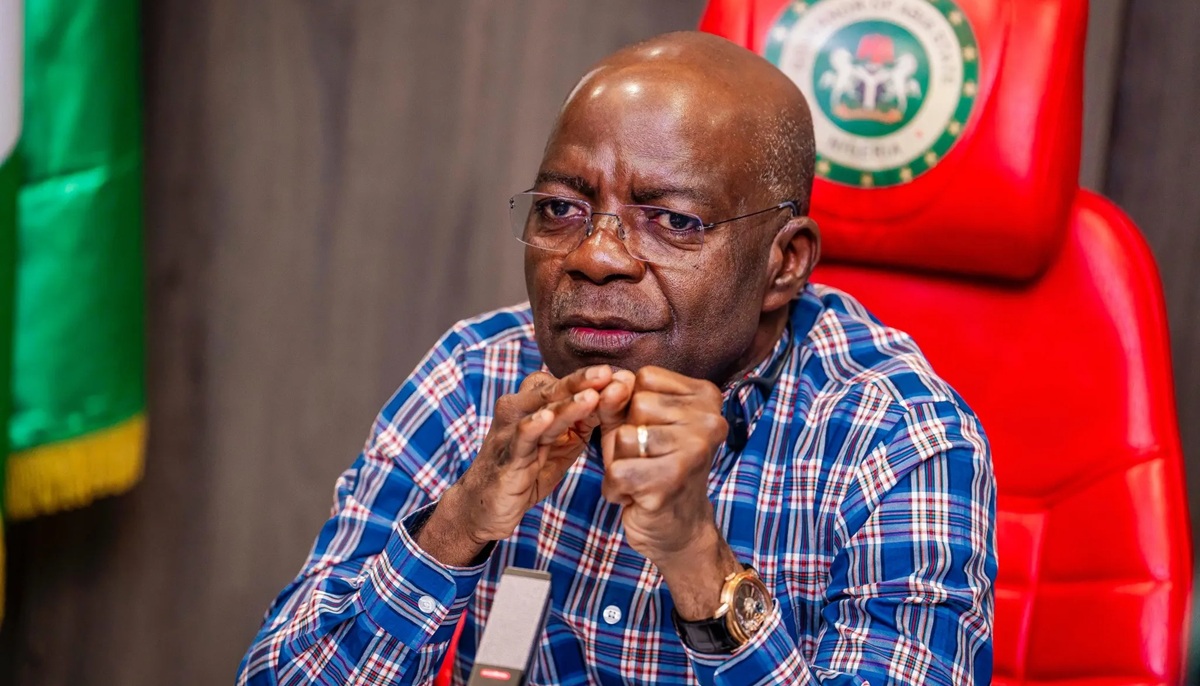
It, however, acknowledged that a technical error occurred during the final compilation of the document, particularly on page 289, where a misalignment of text and figures created the impression that ₦250 million had been allocated for a photocopier.
The ministry clarified that the ₦250 million figure actually relates to a separate capital project elsewhere in the budget and was mistakenly displaced due to formatting issues. It added that the relevant agency has since been informed and corrections effected. The government maintained that there was no inflation in the photocopier cost.
“The ₦250,000,000.00 figure that appeared beside the photocopier item on page 289 is not the provision for a photocopier. It is, in fact, the value for a different, larger capital project elsewhere in the budget, which was displaced by the formatting error. The budget for the photocopier and sundry office equipment remains ₦12,000,000.00 as correctly stated on page 60.
“We categorically state that there has been no inflation of the cost for the procurement of a photocopier. The error was purely clerical and presentational.”
It further explained that all procurements are subject to statutory approval processes, including review by the Departmental and Ministerial Tenders Boards and final clearance by the Finance and General Purpose Committee and the State Executive Council.
The ministry expressed regret over the confusion caused and reaffirmed its commitment to transparency, fiscal discipline and accountability in the management of public funds.