Trending
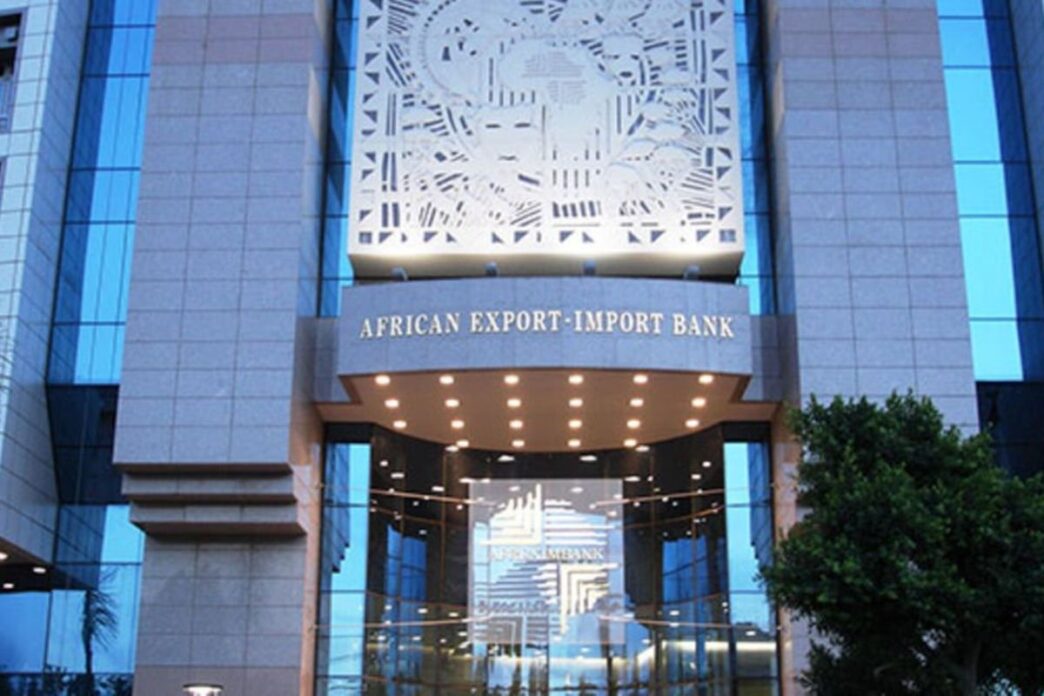
The African Export-Import Bank (Afreximbank) has approved a $10 billion Gulf Crisis Response Programme (GCRP) to cushion African and Caribbean economies from the far-reaching economic fallout of the escalating Middle East conflict.
The intervention follows the sharp global disruptions triggered after tensions intensified on 28 February 2026, sending shockwaves through energy, trade, and financial markets.
The crisis has exposed the vulnerability of economies heavily dependent on imports of fuel, fertiliser, and food, as well as those tied to critical shipping routes such as the Strait of Hormuz. Disruptions have also extended to investment flows, tourism, and remittances, placing additional pressure on already fragile economies across Africa and the Caribbean.
The GCRP is structured to provide immediate relief by supporting essential imports, including fuel, liquefied natural gas, pharmaceuticals, and food, through short-term foreign exchange and liquidity facilities. It also seeks to position African energy and mineral exporters to benefit from elevated global prices by scaling production capacity through targeted financing tools such as pre-export finance and working capital support.
In addition, the programme addresses sectors hardest hit by the crisis, particularly tourism and aviation, while laying the groundwork for long-term resilience. This includes accelerating delayed infrastructure projects across energy, ports, and logistics, with the aim of strengthening supply chains and reducing future exposure to external shocks.
Commenting on the initiative, Afreximbank President George Elombi said, “This crisis response programme is in tune with our DNA. We understand how our economies work and the pain points associated with these transitory crises.” He added that the intervention would help countries adjust smoothly while “strengthening their resilience to future shocks through interventions that transform the structure of their economies.”

The programme builds on Afreximbank’s track record of crisis interventions, including its response to the COVID-19 pandemic and the Ukraine crisis, where billions of dollars were deployed to stabilise economies and ensure access to essential goods. Through the GCRP, the bank has already begun coordinating with financial institutions and corporates to secure critical supplies disrupted by the ongoing conflict.
Beyond financing, Afreximbank is partnering with institutions such as the United Nations Economic Commission for Africa, the African Union Commission, the African Continental Free Trade Area Secretariat, and the Caribbean Community Secretariat to coordinate a broader regional response focused on energy security, trade resilience, and supply chain diversification.
With this latest move, Afreximbank reinforces its role as a key stabilising force, deploying large-scale financial instruments to help member states navigate global economic volatility.