Trending
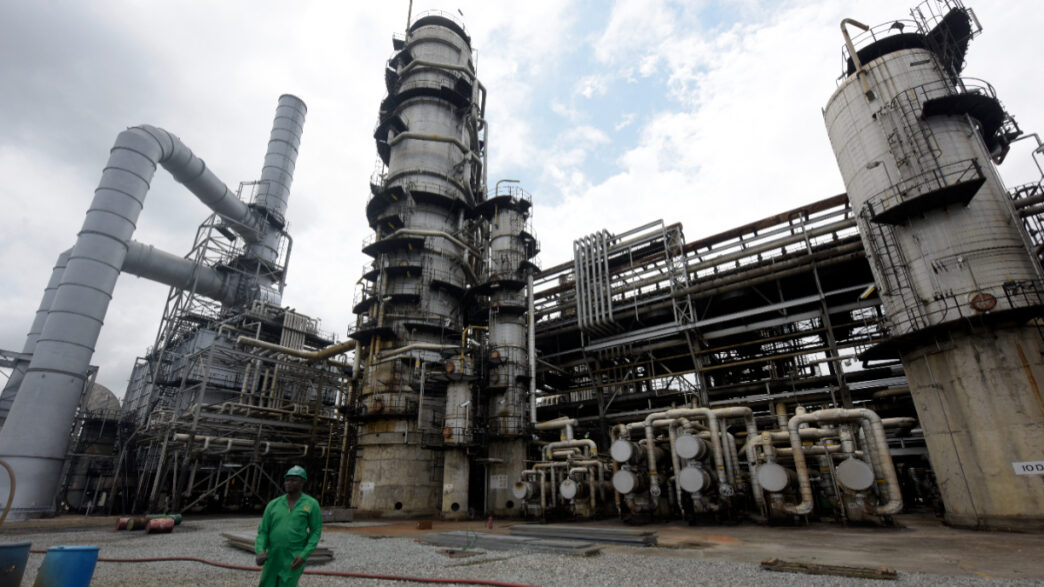
The African Energy Bank has launched a $10 billion initiative to fund major oil and gas projects in Nigeria, Angola, and Libya.
The announcement was made by African Petroleum Producers’ Organisation (APPO) Secretary General Farid Ghezali during the opening ceremony of the 9th Nigeria International Energy Summit 2026 on Tuesday in Abuja.
“Allow me to present to you our phased growth. Phase 1 is the African Energy Bank platform with a $10 billion project involving Nigeria, Angola, and Libya, supported by APPO certification and major international oil companies such as Shell and Eni,” Ghezali announced.
Ghezali added that Phase 2 in 2027 will create a regional gas hub trading system, and Phase 3 in 2030 will see the bank mature into a $212 billion financial hub supporting energy transition across Africa.
He also noted the urgent need to mobilise capital, saying, “Energy is, without a doubt, the engine of peace and prosperity. It lights our homes, powers our industries, creates jobs, and propels us into a brighter future.
“For Africa, which is rich in energy resources, the challenge is not only to extract, but to transform these resources into real shared wealth for our population.”
“Ladies and gentlemen, despite our immense potential, Africa is facing a paradoxical and frustrating reality,” he said, explaining the continent’s recent setbacks.
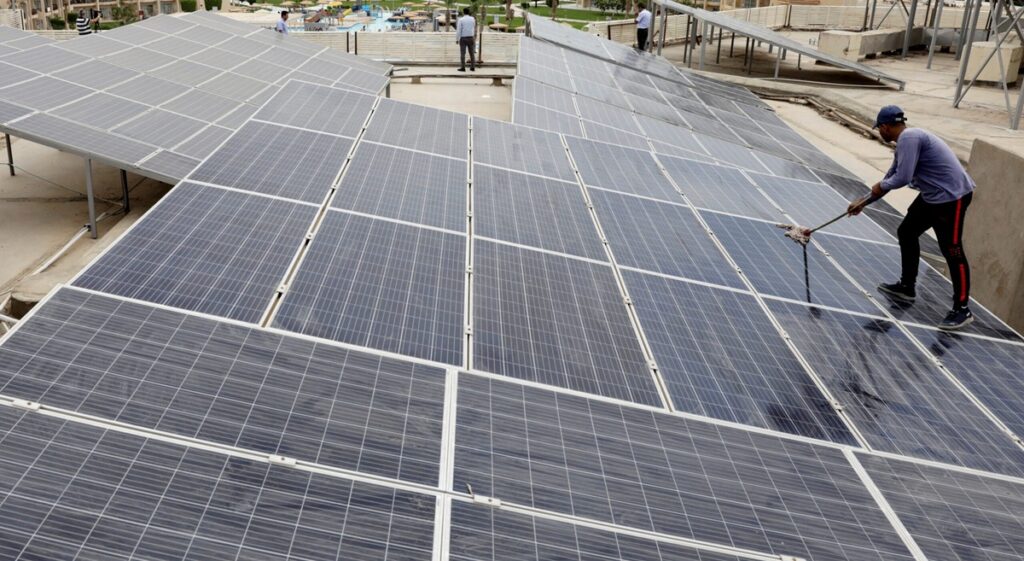
“We are still exporting about 70 percent of our crude oil and 45 percent of our natural gas, losing $15 billion per year in added value that we could generate locally, especially in the midstream and downstream segments. Financing remains the main bottleneck hindering the development of our strategic projects.
“More than 150 essential projects, from refineries to pipelines, such as the AKK pipeline, to gas infrastructure, remain blocked. What for? Because the cost of financing in Africa is 15-20 percent compared to only 4-6 percent in Asia. This disparity is unacceptable and slows down our progress.”
Ghezali said it could generate up to 500,000 direct jobs and unlock $200 billion for midstream and downstream projects by 2030.
“The African Energy Bank is our pragmatic solution,” Ghezali said.
“It is not just a financial institution; it is a pan-African platform for equipment exchange, energy services, and innovative financing to support structured projects.
“It will unlock $200 billion for midstream and downstream initiatives by 2030, standardise regional pricing, generate 500,000 direct jobs, and connect certified projects to global sovereign wealth funds.”
Meanwhile, Anibor Kragha, executive secretary of the African Refiners & Distributors Association, noted that “Africa must seize this opportunity to build a robust domestic industry that champions energy security.
“By refining more crude locally and processing natural gas within the continent, we strengthen regional trade, protect local currencies, and insulate our economies from global shocks,” Kragha added.