Trending
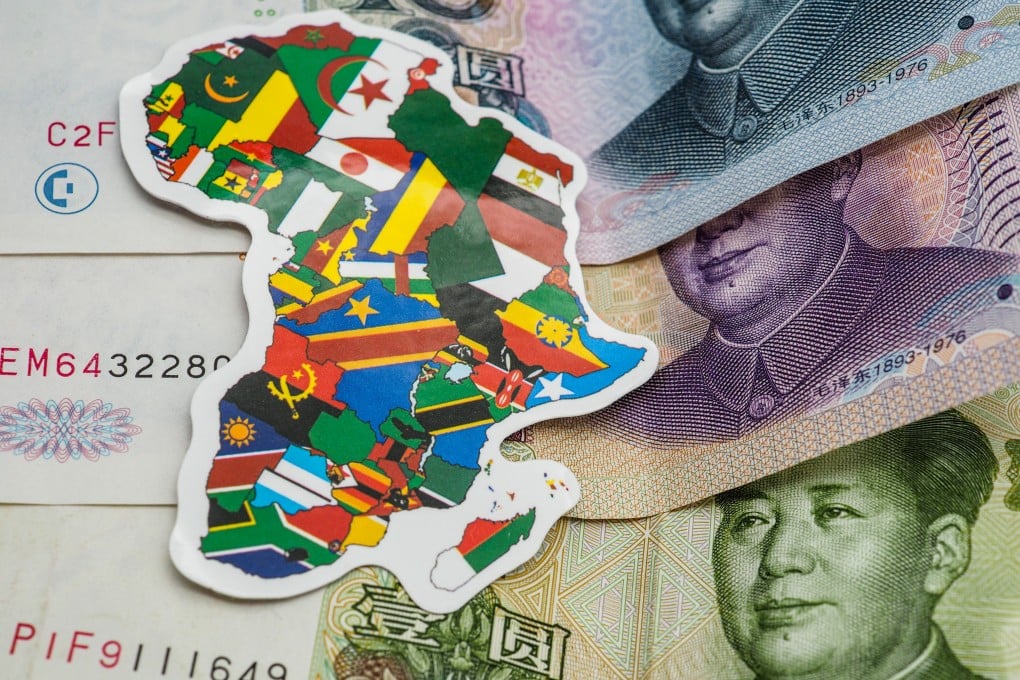
China’s role in Africa has clearly changed, according to the report.
China used to be a big source of new loans. While payments on previous loans have continued to rise, lending has decreased sharply over the past 10 years.
From 2020 to 2024, Africa paid about $22 billion more to China than it received from China.
This is a big change from 2015 to 2019, when the region received around $30 billion more in loans than it paid back.
“China went from being a net provider of finance—transferring $48 billion to low- and lower-middle-income countries (via official and private lenders) a decade ago—to a net extractor of $24 billion,” the report read.
“Africa has experienced the most dramatic reversal in Chinese finance.
“It went from receiving $30 billion to paying out $22 billion, a $52 billion swing.”
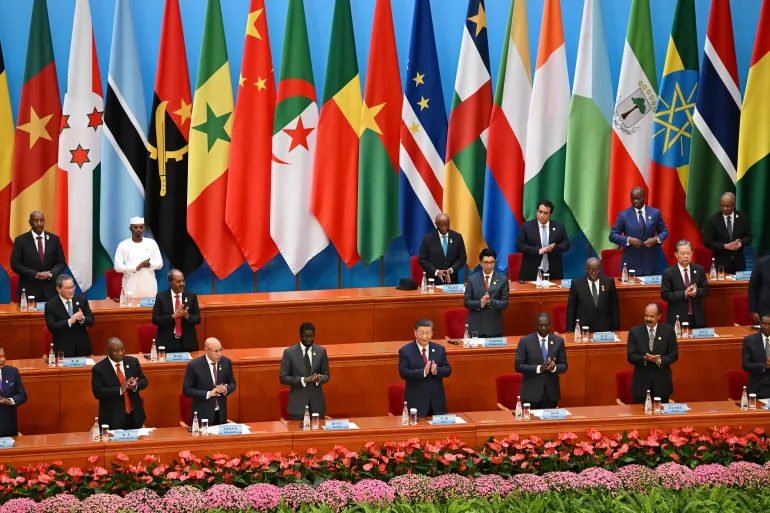
The executive director of ONE Data, David McNair, stated that “the fact that there’s less lending coming in, but that previous lending from China still needs to be serviced—that’s the source of the outflows.”
As Chinese lending has dropped, multilateral lenders such as development banks have become the main source of funding for poor countries.
The report said net funding from these lenders rose by 124% over the past decade. They provided 56% of net funding, or $379 billion, between 2020 and 2024.
“Multilateral institutions—including MDBs like the World Bank—have increased financing by 124%. They now account for 56% of net flows, up from 28% a decade earlier.”
The figures do not include aid cuts that began in 2025.
Developing economies, particularly in Africa, have already suffered from the closure of the U.S. Agency for International Development last year and reduced aid from other wealthy nations.
McNair said the trend is bad for African countries, which are struggling to pay for public services and investment.
He hinted that 2025 data is likely to show a large drop in Official Development Assistance flows.
But he noted that as governments depend less on external funding, they may be compelled to encourage domestic accountability.
The report also noted a broader decline in private external debt and bilateral finance flows, both of which are likely to be worsened by aid cuts starting in 2025.