Trending

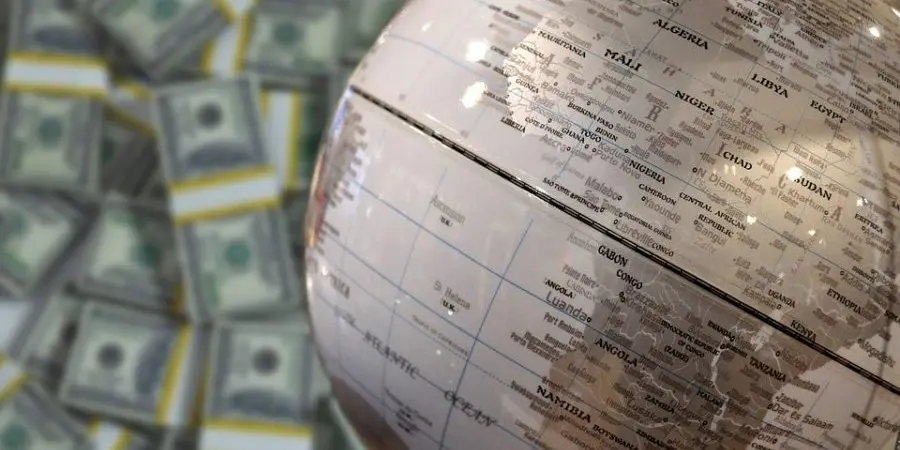
African countries are expected to borrow about $155 billion in long-term commercial debt in 2026, a 10 percent increase from the previous year, according to a report by S&P Global Ratings.
The borrowing is aimed largely at refinancing maturing debt and meeting growing fiscal obligations, the report said.
S&P projects that the new issuance will push total outstanding sovereign commercial debt in Africa to slightly above $1.2 trillion by the end of 2026, equivalent to roughly half of the region’s combined economic output.
Among African economies, Egypt is expected to be the largest issuer of commercial debt this year, followed by South Africa and Morocco, according to the report.
S&P said geopolitical tensions linked to the Strait of Hormuz and the conflict involving Iran could influence borrowing plans and raise the cost of new debt issuance if disruptions to hydrocarbon shipping lanes persist.
“We expect the war and its implications for hydrocarbon shipping lanes, particularly the Strait of Hormuz, will begin moderating over the next few weeks, but if the war continues beyond that, it could impair fiscal positions, inflation profiles, and financing plans across Africa,” the ratings agency said.
Many African economies rely heavily on imported refined fuel, meaning higher global oil prices could strain government finances and expand budget deficits, particularly in countries such as Angola, which maintains fuel subsidies.
S&P noted that the median annual debt servicing requirement for the 27 rated African sovereign issuers is about $1.5 billion, lower than in other regions.
The relatively lower cost reflects governments’ continued reliance on financing from multilateral lenders such as the World Bank.
“Favourable external financing costs, which are at multi-year lows, provide some reprieve, as governments can refinance upcoming foreign currency maturities at lower costs,” S&P said.