Trending
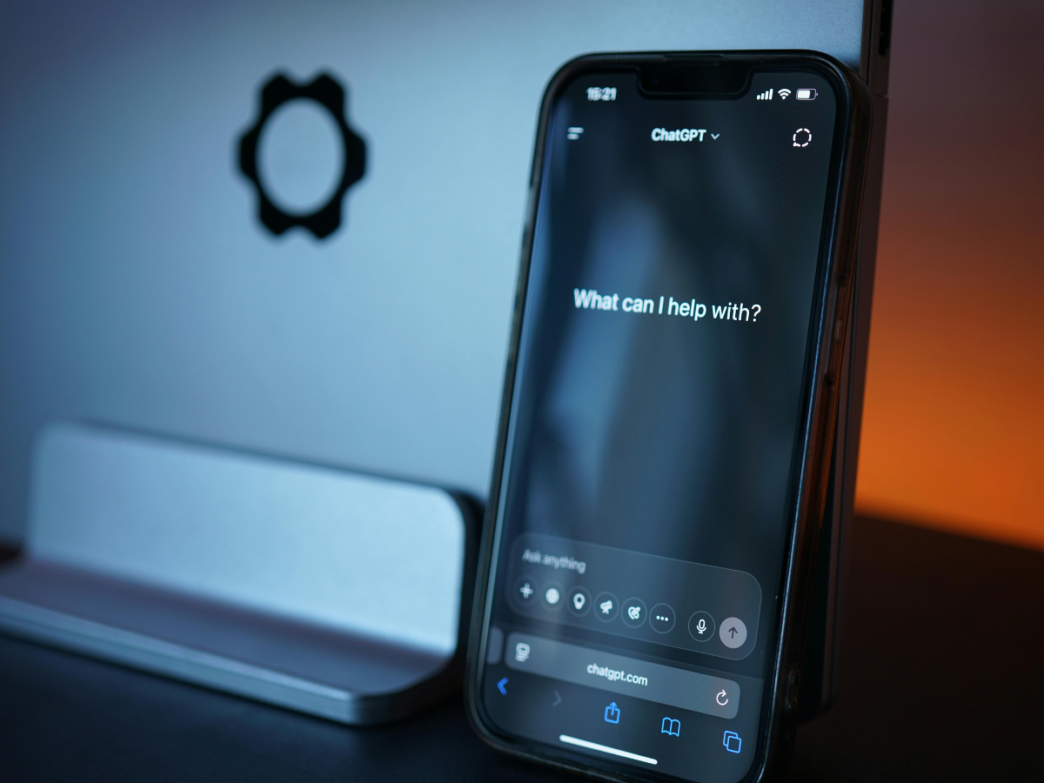
The rise of advertisements and sponsored content within chatbots has raised privacy concerns among users, prompting companies to navigate this new landscape while seeking to remain relevant in an ever-evolving online ecosystem.
OpenAI, the developer of ChatGPT, began incorporating ads into chatbot conversations for its free and low-cost users to balance its significant spending commitments with new revenue streams.
This move, however, quickly attracted mockery from its rival, Anthropic, which has focused on safety and data security in its AI systems. Anthropic’s Super Bowl commercial depicted a man asking an AI assistant for advice, only for the chatbot to insert an advertisement for a dating site into its otherwise relevant response. OpenAI CEO Sam Altman criticised the advertisement, calling it “clearly dishonest.”
Beyond OpenAI, Microsoft has integrated contextual ads in its Copilot AI assistant since 2023. AI search engine Perplexity also began testing ads in the U.S. in 2024, while Google is trialling ads in its AI-powered search overviews.
Despite the growing trend, there are concerns regarding data privacy. Demis Hassabis, head of Google’s DeepMind AI, emphasised the need for careful handling of ads, given the trust users place in AI assistants to manage personal data. OpenAI, for its part, has assured users that ads will not alter its chatbot responses, nor will user data be sold to advertisers.
Advertisers, on the other hand, see the integration of AI ads as a game-changer. According to Justin Seibert, head of Direct Online Marketing, AI-assisted interactions have delivered high conversion rates, suggesting that chatbot-based ads could significantly impact online advertising. HSBC analysts estimate that AI assistants could command up to two per cent of the online ad market by 2030.

Brands, including retail giant Target and software maker Adobe, are prioritising visibility within these AI platforms. Some are even pushing for their products to appear in chatbots’ organic responses—a practice known as Generative Engine Optimisation (GEO).
Joan Burkovic, CEO of French GEO startup GetMint, revealed that her company already serves clients like Lacoste, helping brands craft content that is “valued by AI.”
As AI continues to gain prominence, Malzac warns that if a brand isn’t referenced by chatbots, it risks fading from users’ consciousness. The new era of AI-driven ads may well redefine the future of online marketing, but it also raises questions about the balance between commercial interests and user privacy.