Trending
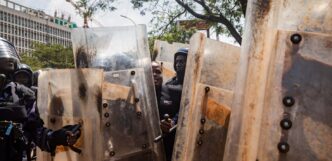
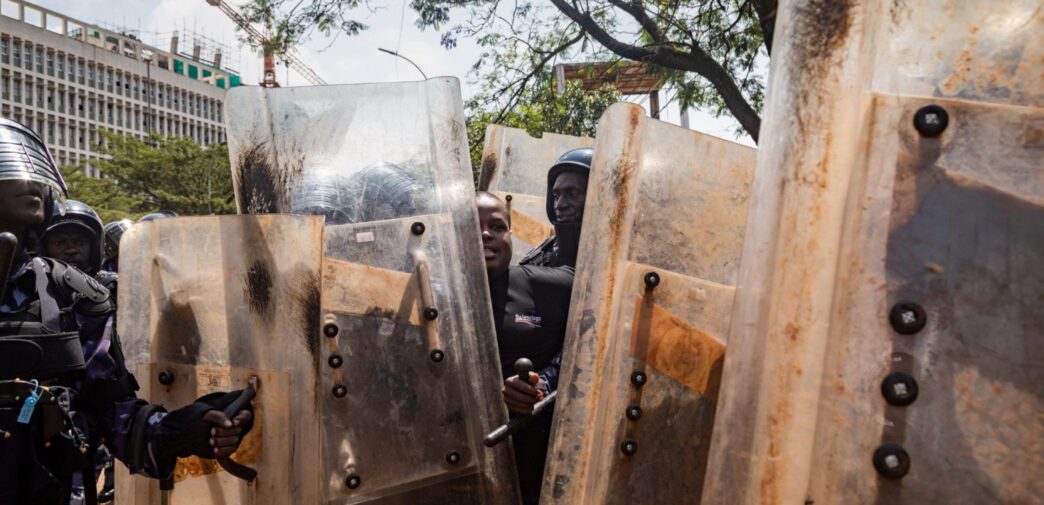
Amnesty International on Monday accused Ugandan security agencies of torturing and arbitrarily detaining opposition supporters in the run-up to presidential elections set for January 15, 2026.
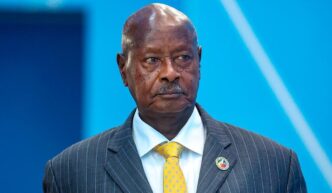
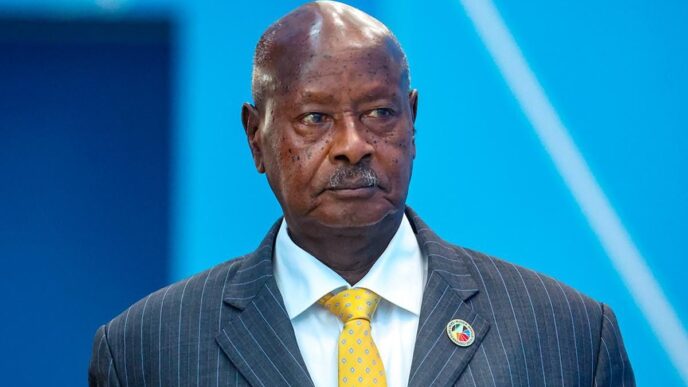
The rights group said the abuses appear aimed at weakening the opposition as President Yoweri Museveni, 81, seeks to extend his time in office after nearly four decades in power.
According to Amnesty, security personnel have repeatedly targeted supporters of the opposition National Unity Platform (NUP), whose leader is opposition figure Bobi Wine, 43.
Wine, a former pop star, also challenged Museveni in the disputed 2021 election.
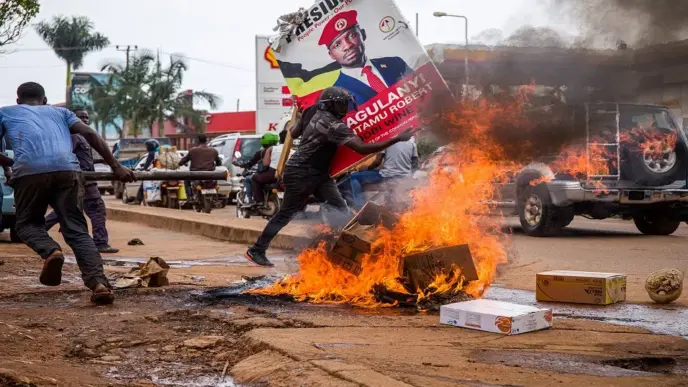
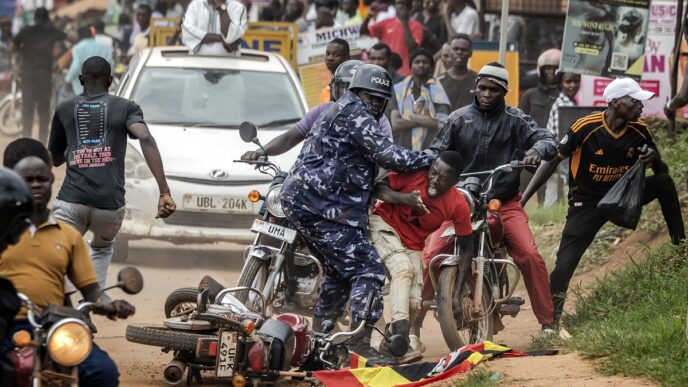
Amnesty said its findings include accounts of beatings and the use of tear gas against NUP supporters during rallies and public gatherings.
“The authorities have launched a brutal campaign of repression against the opposition and its supporters,” said Tigere Chagutah, Amnesty’s regional director for East and Southern Africa.
Chagutah said the actions of security agencies have made it increasingly difficult for opposition groups to exercise their rights to freedom of association and peaceful assembly.
“The Ugandan authorities must uphold their human rights obligations and allow the opposition to hold its campaign rallies without undue restrictions and without subjecting their leaders and supporters to arrests, torture, or other ill-treatment,” he said.
Amnesty reported that one NUP supporter was killed during a rally on November 28, 2025. Police said officers were responding to unrest in the crowd.
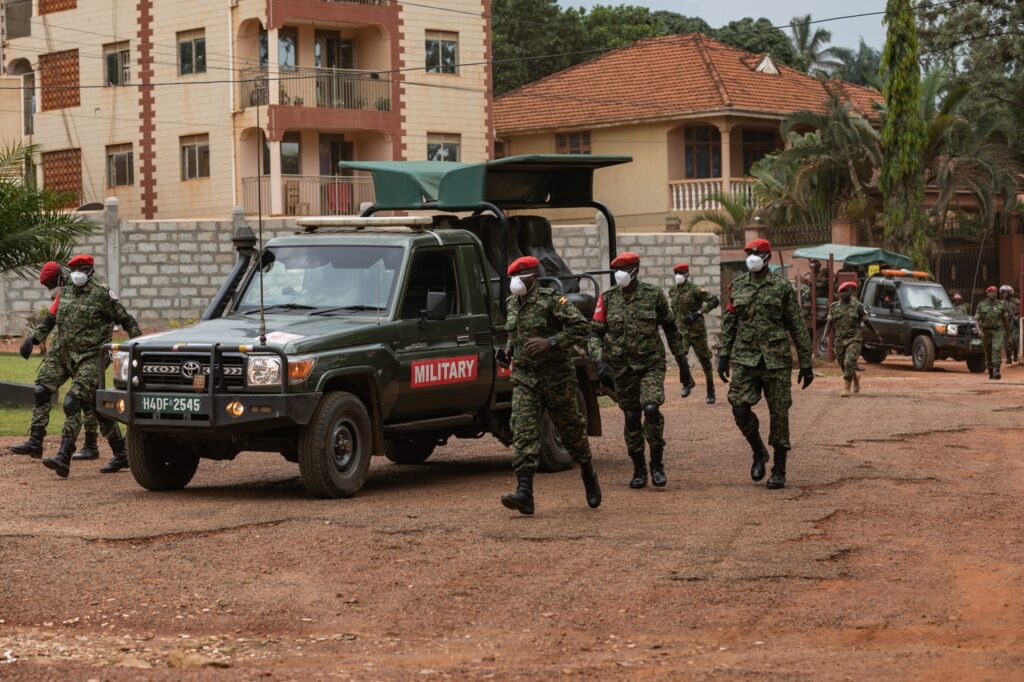
Family members of the deceased told Amnesty they were prevented from observing the postmortem examination and never received official documentation confirming the cause of death.
“Nobody should die simply for exercising their rights to freedom of association and peaceful assembly,” Chagutah hinted.
“Authorities must immediately open impartial and thorough investigations into all alleged instances of unlawful use of force by security forces. Those responsible should be brought to justice in fair trials without recourse to the death penalty.”
Amnesty said it documented roughly 400 arrests of people accused of backing the NUP in recent months. Those detained were commonly charged with offences such as incitement or property destruction.
Several former detainees told Amnesty they were subjected to physical abuse, including being struck with batons, sprayed with pepper spray and shocked with tasers while in custody.
One witness, who did not reveal his identity, told Amnesty about a rally in the capital, Kampala, saying, “They started pepper-spraying us and pulled me out of the vehicle into a police truck.”
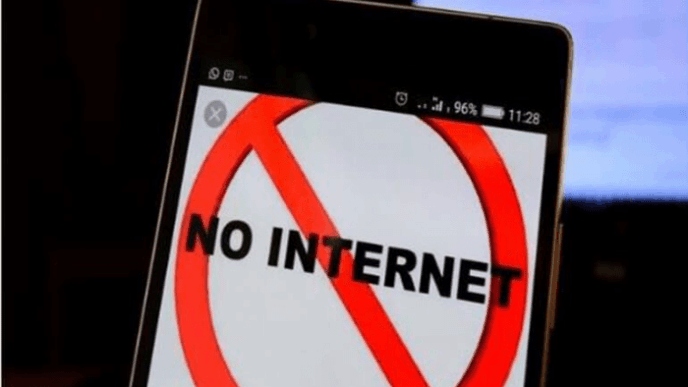
Concerns have also grown over the possibility of internet restrictions during the election period, similar to measures imposed during the 2021 vote that limited access to information.
The government has denied plans for an internet shutdown.
Aminah Zawedde, permanent secretary at the Ministry of ICT, said authorities had “not announced, directed or implemented any decision to shut down the internet during the election period.”
Zawedde added that the “broadcasting or streaming of riots, unlawful processions or violent incidents is prohibited”.
Separately, Uganda last month barred the import of equipment linked to satellite internet provider Starlink. Reports have since circulated that the company, owned by Elon Musk, has agreed to suspend its services in the country entirely.