Trending
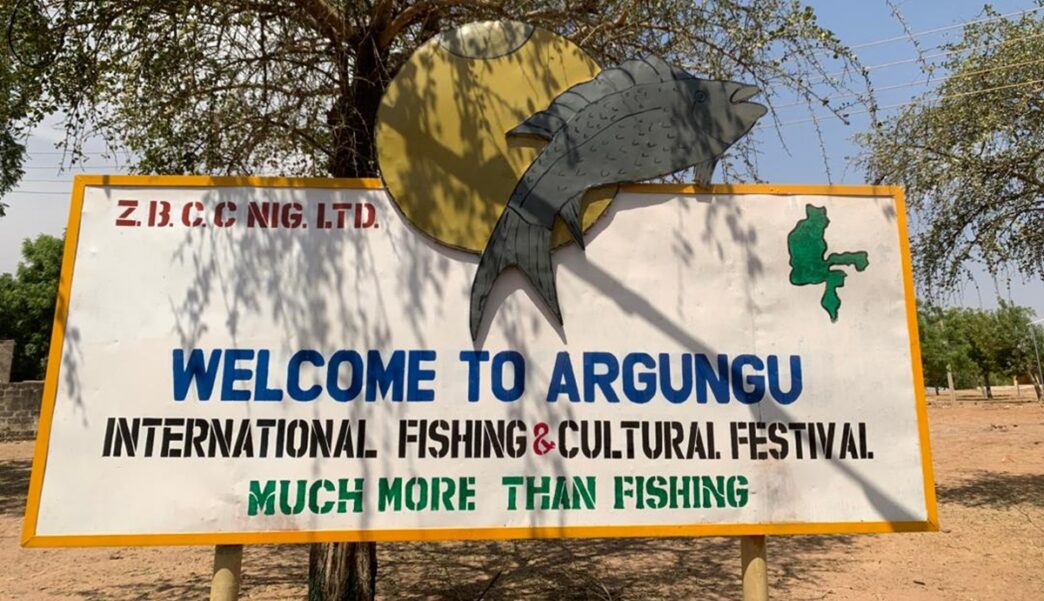
The Argungu International Fishing and Cultural Festival, one of Nigeria’s longest-running and most celebrated cultural events, has kicked off in Kebbi State.
Held at the Mata Fada River in Argungu town, the four-day festival, scheduled from 11 to 14 February 2026, is renowned for its massive traditional fishing competition and vibrant cultural displays, attracting thousands of participants and spectators from across Nigeria and beyond.
The festival was first held in 1934 as a peace initiative between the Sokoto Caliphate and the Kebbi Kingdom, marking the end of decades of hostilities between the neighbouring polities. Over time, it has evolved from a symbolic fishing event into a broad cultural celebration, serving as a platform for unity among diverse ethnic groups in northern Nigeria.
In 2016, the United Nations Educational, Scientific and Cultural Organization (UNESCO) recognised the Argungu Festival by inscribing it on the Representative List of the Intangible Cultural Heritage of Humanity, putting Argungu on the global cultural heritage map.
The Grand Fishing Competition
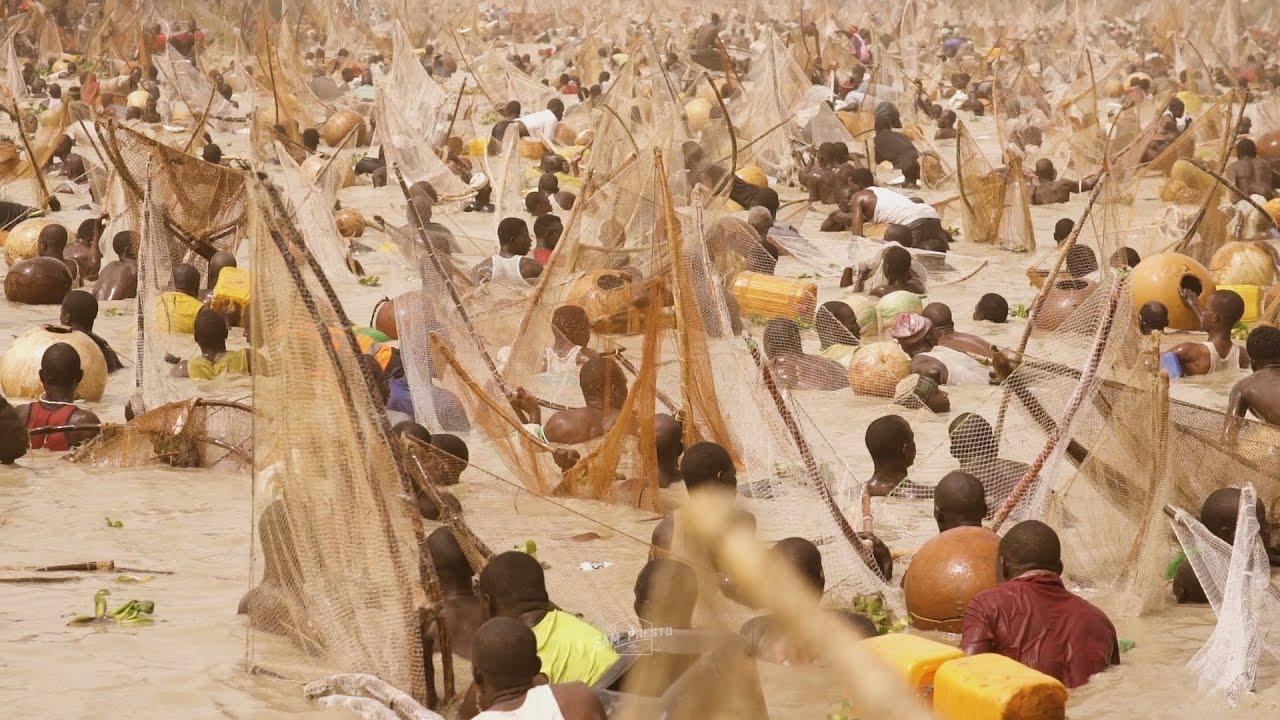
The festival’s centrepiece is the legendary fishing competition, which sees fishermen line the river and, at a signal, enter the waters to catch the largest fish using traditional tools such as hand nets and gourds. The contest lasts roughly an hour, showcasing physical strength, skills, and techniques passed down through generations.
While some reports describe it as “hand-fishing,” locally it is considered a demonstration of ancestral fishing methods and heritage practices. The event is not only competitive but also a living showcase of local culture.
Cultural Displays and Competitions
Beyond fishing, the festival features a wide variety of cultural events, including:
- Canoe races
- Swimming contests
- Traditional wrestling
- Music and dance performances
- Craft exhibitions
- Other indigenous games and demonstrations.
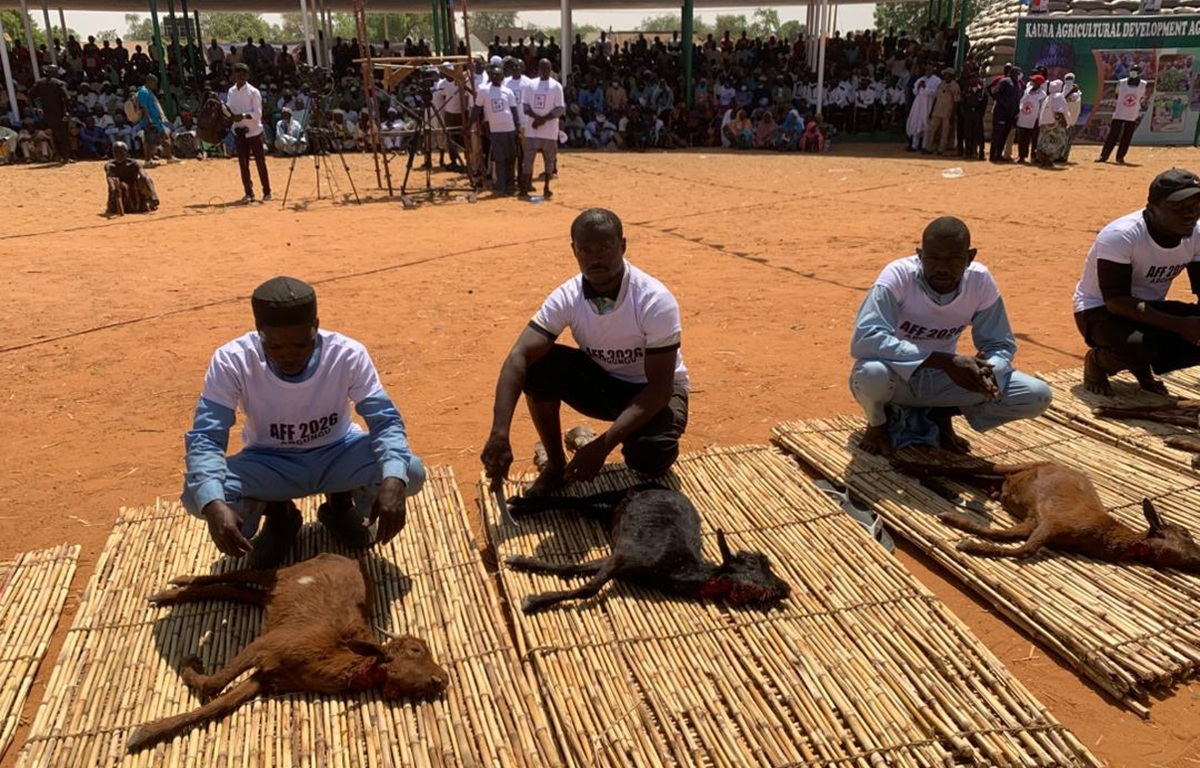
These activities preserve traditional knowledge, foster cultural expression, and offer younger generations a chance to engage with their heritage.
Social and Economic Impact
The festival also drives local economic activity. The influx of visitors creates demand for hospitality, food services, transport, and artisanal products, providing a commercial boost for vendors and businesses during the festival period.
After a suspension from 2011 to 2020 due to security and logistical concerns, the festival was revived in 2020, signalling renewed confidence in regional stability and tourism.
The 2026 edition, which marks the 61st Edition showcases ongoing efforts to promote tourism and maintain the festival’s cultural significance.