Trending


The ATP Tour has confirmed it will introduce a formal extreme heat policy from 2026, responding to mounting concerns from players who endured punishing conditions at several tournaments this year.
The decision aligns men’s professional tennis with the WTA Tour, which has long operated under a heat management policy, as well as other elite sports such as Formula One, where protective measures are already in place to safeguard competitors.
Concerns intensified in October when Denmark’s Holger Rune criticised conditions at the Shanghai Masters, where temperatures exceeded 30 degrees Celsius and humidity climbed above 80 per cent.
Struggling physically during his match, Rune questioned whether organisers were waiting for a tragedy before taking action.
In response, the ATP said it was “strengthening protections for players competing in extreme conditions” by introducing a standardised framework based on the Wet Bulb Globe Temperature (WBGT). This index factors in air temperature, humidity, wind speed and radiant heat to assess the overall stress placed on the human body.
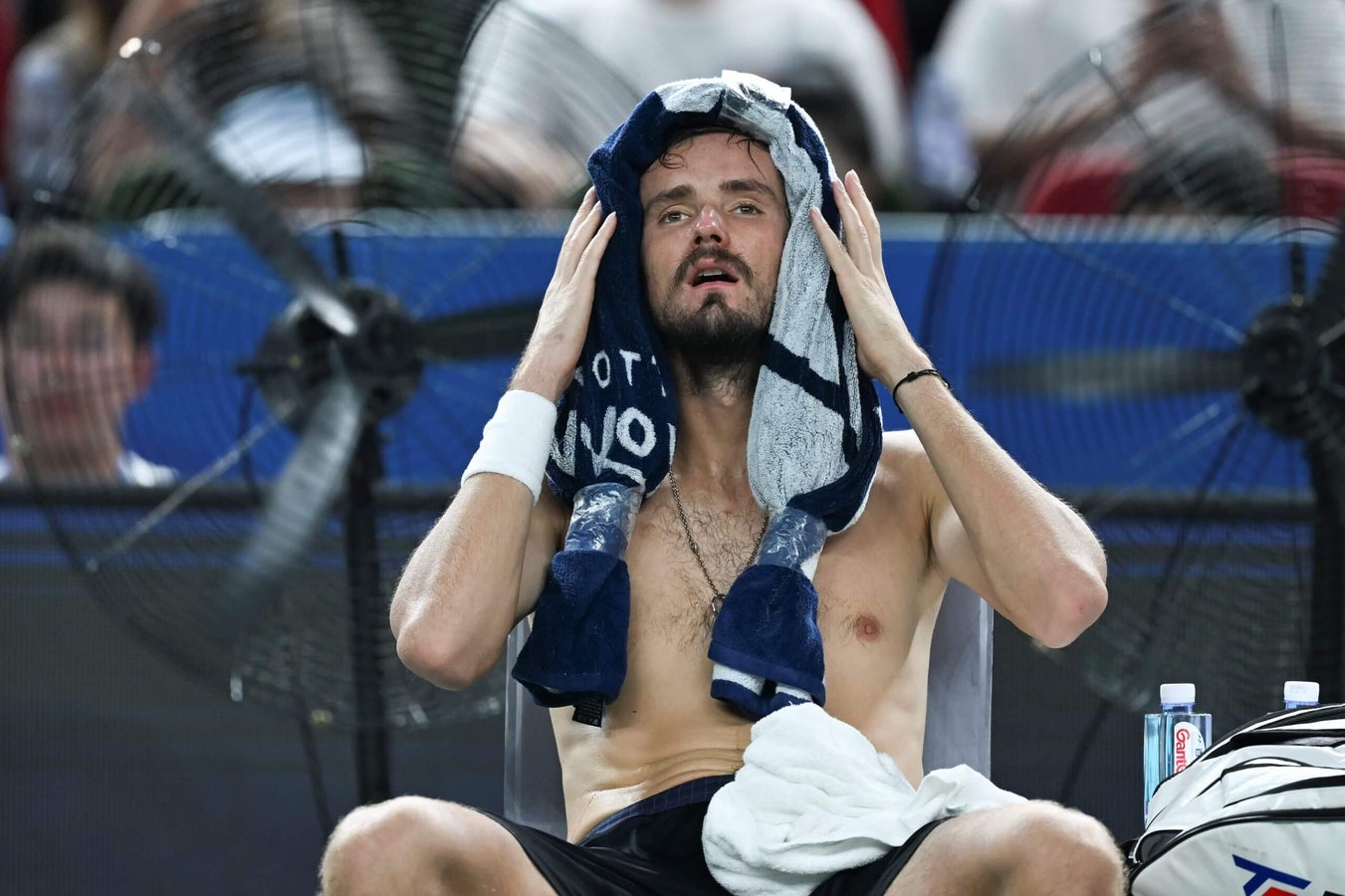
Under the new regulations, players competing in best-of-three singles matches will be entitled to request a 10-minute cooling break if the WBGT reaches 30.1 degrees or higher during either of the first two sets. If readings rise beyond 32.2 degrees, play will be suspended entirely.
The ATP said the policy offers a medically informed and structured approach to managing extreme heat, with player welfare as its primary objective.
It added that the measures would also improve safety and comfort for spectators, officials, ball kids and tournament staff.
The new rules will not apply at the four Grand Slam tournaments, which operate independently and maintain their own heat-related protocols.
Until now, decisions around extreme weather, including heat, were made on a case-by-case basis by the on-site ATP supervisor in consultation with medical teams and local organisers.
The move comes during growing concerns about climate change, with scientists warning that the world is on course to record its second-hottest year on record in 2025.