Trending
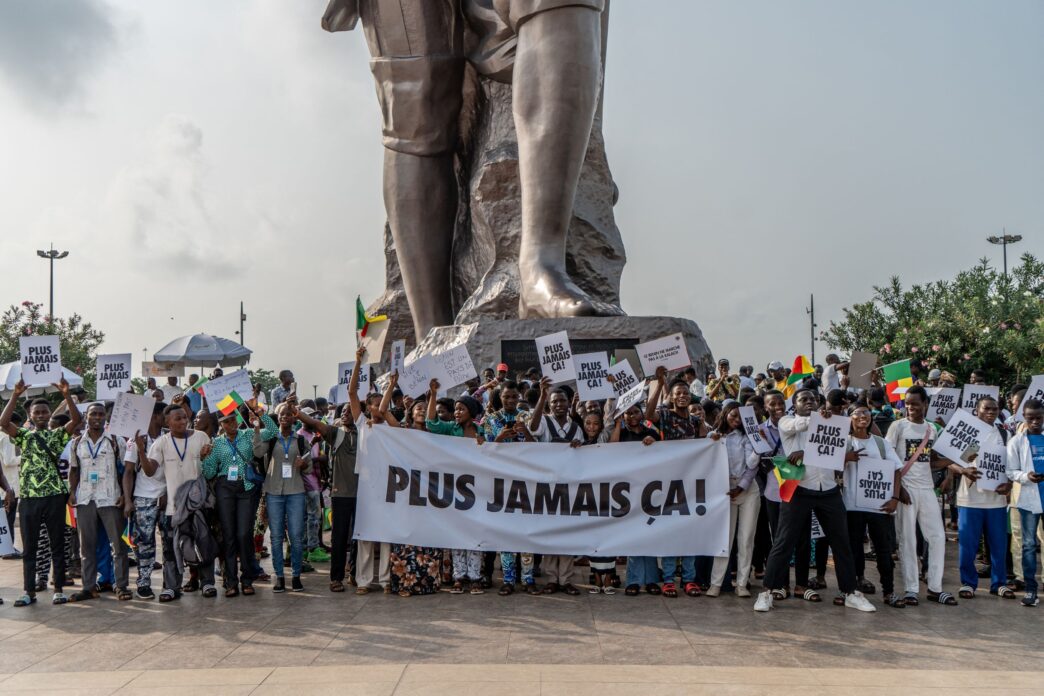
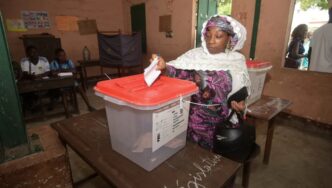
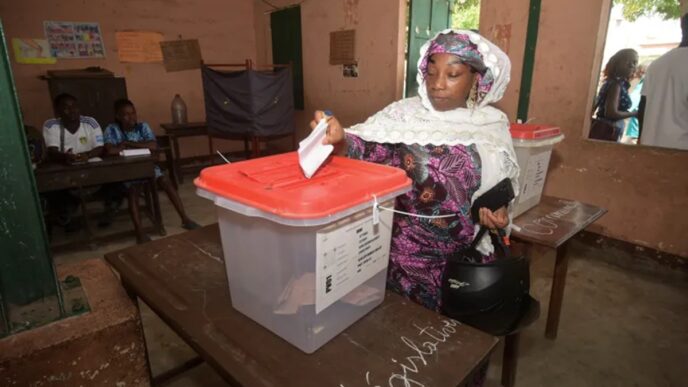
A month after an attempted coup that unsettled Benin, the West African nation is set to hold parliamentary and local elections on Sunday, which will shape the political landscape before the presidential elections in April.
The ruling coalition led by President Patrice Talon is expected to bolster its already significant influence in the polls, especially as the primary opposition Democratic Party is barred from participating in the local elections and the April presidential race due to its inability to collect enough signatures for registration.
While the Democrats will compete in the parliamentary elections on Sunday, they risk losing further ground to Talon’s three-party alliance, which now holds 81 out of the 109 seats in the National Assembly.
These elections take place during a tense time for Benin, still recovering from a violent coup attempt by army mutineers on December 7, which was suppressed swiftly by the military with assistance from Nigeria and France.
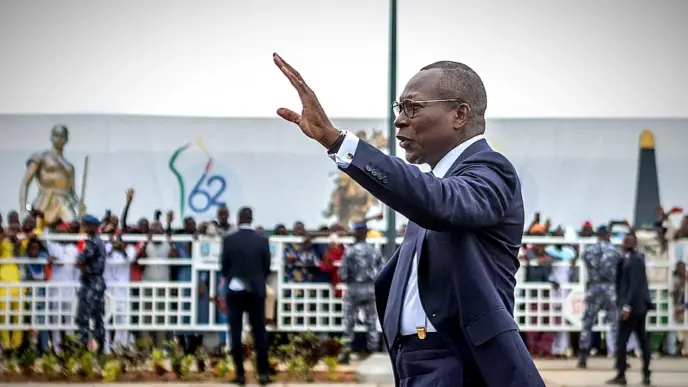
Talon, 67, has overseen significant economic progress during his nearly ten years in office; however, critics claim he has curtailed political opposition and basic rights. Voter concerns regarding security are also likely to be paramount.
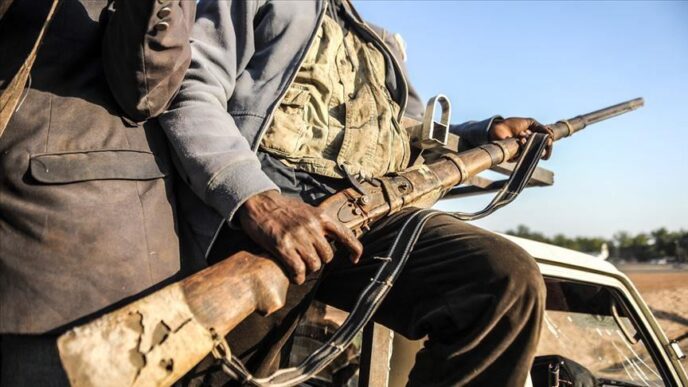
The northern region of Benin has been severely impacted by a spillover of insurgency associated with Al-Qaeda from neighbouring Burkina Faso and Niger.
As Talon approaches the conclusion of his second five-year term, he is ineligible to run in the April elections, yet his chosen successor, Finance Minister Romuald Wadagni, is considered a strong contender.
Wadagni will face a lone opponent for the presidency, moderate opposition candidate Paul Hounkpe from the smaller FCBE party, which has forged several agreements with ruling coalition parties.