Trending
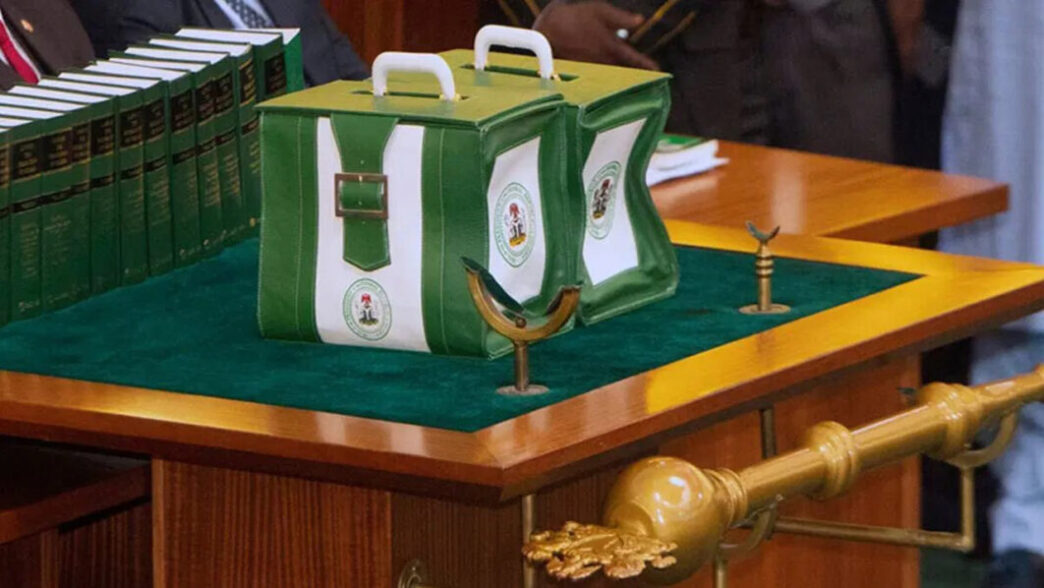
The success of every national and subnational government depends on infrastructural development, and service provision rests on their annual allocations. High budgets across key sectors would most likely translate into improvements and development in those sectors and in the government at large.
The budgets of many Nigerian states have been rising over the years, but across many communities and regions within them, there is a dearth of infrastructure that threatens residents’ lives, especially in hard-to-reach, underserved communities where schools and primary health clinics are decaying.
Despite annual increases in budgetary allocations, residents of states continue to decry poor living conditions. Nigerians are, however, hopeful that the tides will change in 2026 as several states cross the trillion-naira mark for the first time.
At the top of the list for budgetary allocation in 2026 is Lagos State, which has consistently dominated Nigeria’s fiscal landscape with the country’s largest subnational budget. Analysts attribute this position to several structural advantages. Chief among them is Lagos’ strategic geographical location along the Atlantic coast, which makes it Nigeria’s primary maritime gateway and a major hub for international trade.
Oil-producing states Rivers State and Delta State also rank among the states with the highest allocations, buoyed by federation allocations and internally generated revenue.
Northern states often appear to have smaller budgets than some southern states, but this is largely tied to structural revenue realities, such as lower IGRs, limited oil derivation revenue, and security challenges. This year, however, many northern states have crossed the N1 trillion mark.
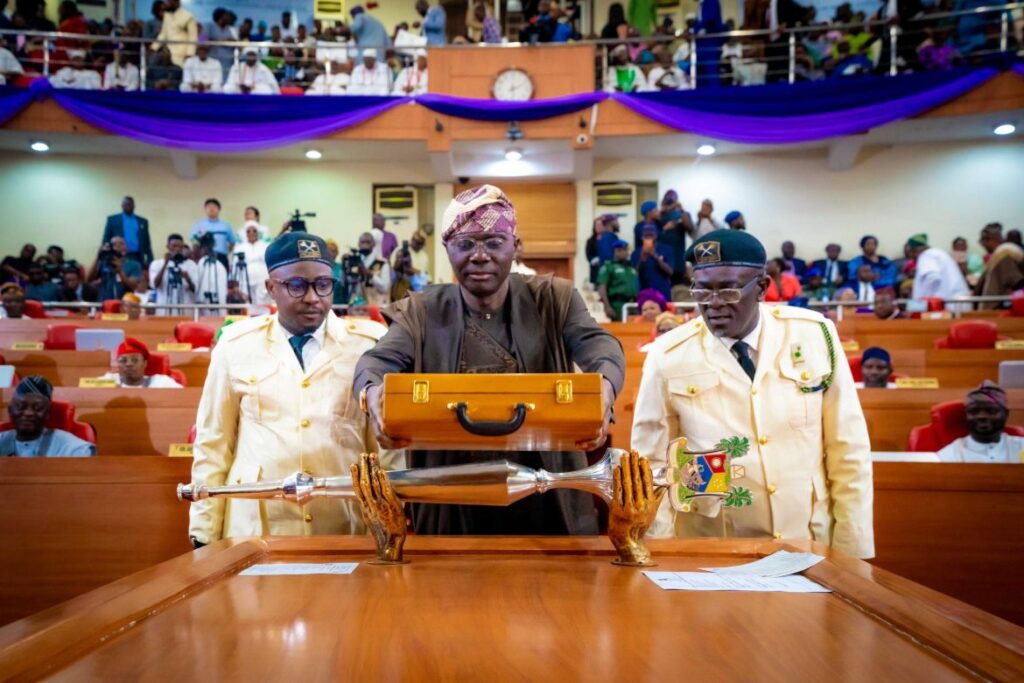
Altogether, the budgets of all the states in Nigeria sit at N36.98 trillion, representing a 45 per cent increase over the N25.58 trillion of 2025 and a 129 per cent rise from the N16.15 trillion of 2024.
The following states have the largest 2026 Budgets:
- Lagos: N4.4 trillion
- Delta: N1.729 trillion
- Ogun: N1.669 trillion
- Enugu: N1.62 trillion
- Akwa Ibom: N1.58 trillion
- Kano: N1.47 trillion
- Imo: N1.4 trillion
- Niger: N1.07 trillion
- Abia: N1.016 trillion
- Bayelsa: N1.01 trillion
- Kaduna: N985.9 billion
- Cross River: N961 billion
- Edo: N939 billion
- Jigawa: N901.8 billion
- Katsina: N897.9 billion
- Oyo: N892 billion
- Borno: N892.4 billion
- Ebonyi: N884 billion
- Bauchi: N877 billion
Despite these promising figures, the question remains: Will these budgets effectively address the growing infrastructure deficit, especially in marginalised regions? The challenge lies in judiciously allocating and transparently implementing these funds. For Nigeria’s 2026 budgets to yield the desired outcomes, it will require a shift from mere budget increases to a holistic focus on strategic development projects that align with the needs of the population, especially in underserved areas.
Nigerians are hopeful that this increase in fiscal allocations will mark the beginning of a new era of infrastructural renewal, enhanced service provision, and improved living conditions across the nation. The potential for transformative change is there; now it’s up to state governments to translate these financial resources into tangible results for their citizens.