Trending
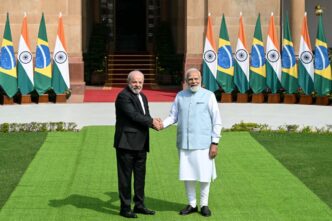
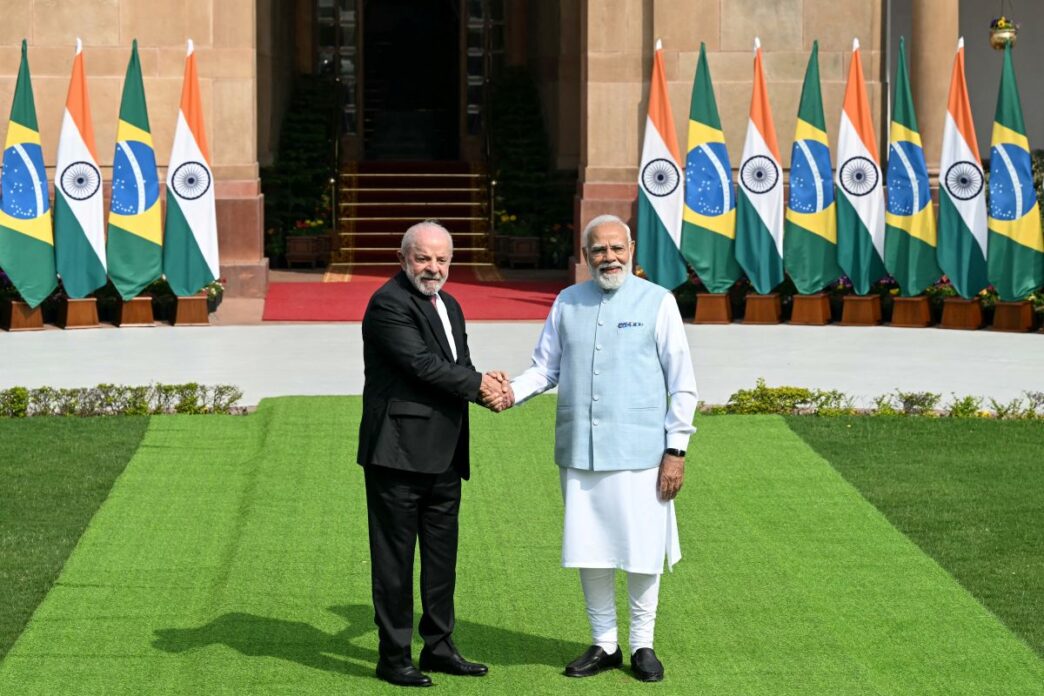
India and Brazil have taken a significant step towards bolstering cooperation on critical minerals and rare earths, a move aimed at building resilient global supply chains, as announced by Prime Minister Narendra Modi.
This landmark agreement, forged during talks with Brazilian President Luiz Inácio Lula da Silva in New Delhi, focuses on expanding collaboration in renewable energies and crucial mineral sectors, areas vital for manufacturing electric vehicles, solar panels, smartphones, and other high-tech products.
Brazil, which holds the world’s second-largest reserves of critical minerals, stands as a key player in the global supply chain. With the increasing demand for these resources, which are essential for everything from jet engines to guided missiles, India seeks to diversify its supply sources and reduce its reliance on China, the current top exporter of these critical materials.
Prime Minister Modi underscored the agreement’s strategic importance, calling it a “major step” towards strengthening supply chains. Brazilian President Lula echoed these sentiments, emphasising that the deal marks the core of a “pioneering” partnership between the two nations.
Though specific details of the deal were not immediately disclosed, the agreement promises a surge in investments and cooperation between the two countries.
Alongside the critical minerals agreement, nine other deals spanning digital cooperation, health, and entrepreneurship were signed, reflecting the broad scope of this growing partnership.
Modi highlighted that Brazil is India’s largest trade partner in Latin America and expressed confidence that bilateral trade will surpass $20 billion over the next five years, calling trade a “reflection of trust.”
Brazil’s expanding role in India also includes business ventures, with companies such as Embraer and Adani Group stepping up to deepen economic cooperation.
The growing alliance between India and Brazil complements India’s recent supply chain engagements with other global powers, such as the United States, France, and the European Union, helping secure diversified access to essential resources.