Trending

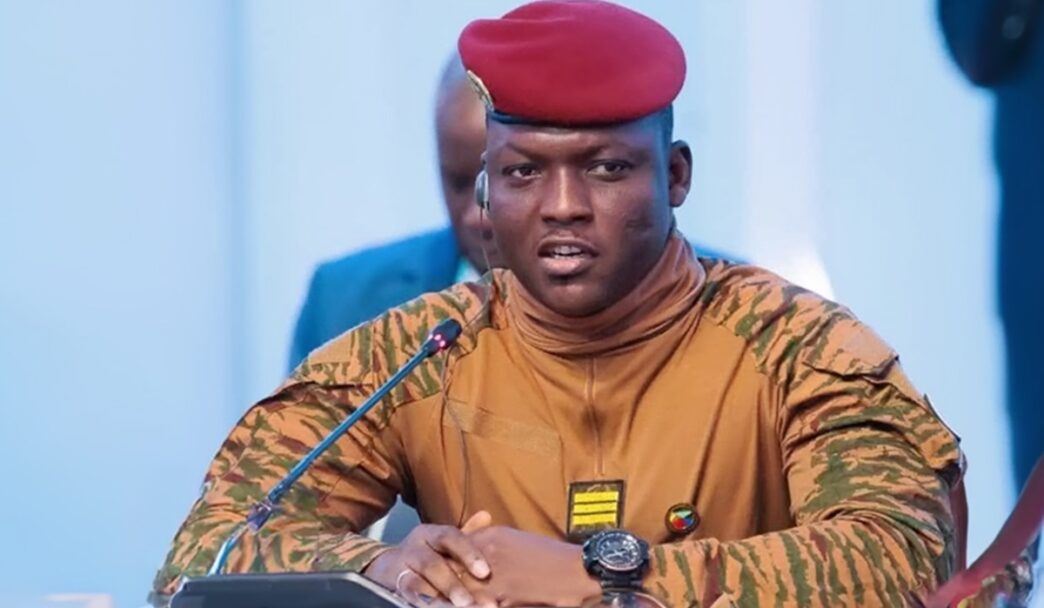
Junta-led Burkina Faso has formally dissolved all political parties, deepening concerns about shrinking civic space more than three years after the military seized power.
The decision, adopted by the country’s transitional parliament on Monday, repeals the legal framework that previously governed political parties and political groups.
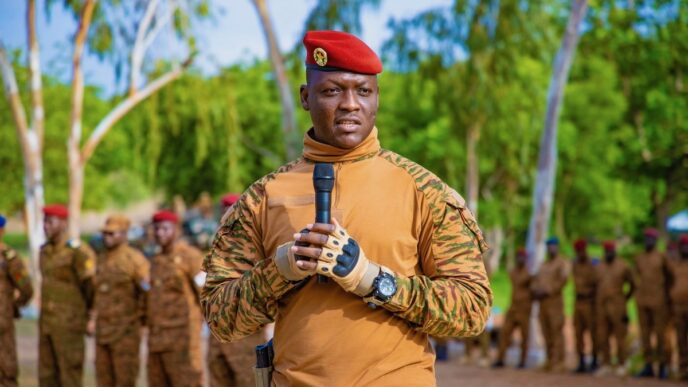
The move consolidates authority under Captain Ibrahim Traoré, who came to power in a September 2022 coup. Since then, political activities have been restricted, with parties barred from holding public meetings even though they were technically allowed to continue operating behind the scenes.
According to a statement from the legislative assembly, lawmakers approved the repeal as part of what authorities describe as a necessary step for “national unity.” In a cabinet readout last month, the presidency argued that “the proliferation of political parties has led to abuses, fuelled divisions among citizens and weakened the social fabric.”
Critics, however, say the measure effectively outlaws organised political opposition and formalises the erosion of democratic processes in the Sahel nation.
The United Nations High Commissioner for Human Rights, Volker Türk, has urged Burkina Faso to reverse the decision and halt what he described as the repression of civic space.
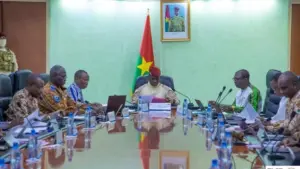
Captain Traoré himself ousted Lieutenant-Colonel Paul‑Henri Sandaogo Damiba, who had taken power in an earlier coup just nine months before. Under Damiba’s rule, political parties were restricted but not dismantled.
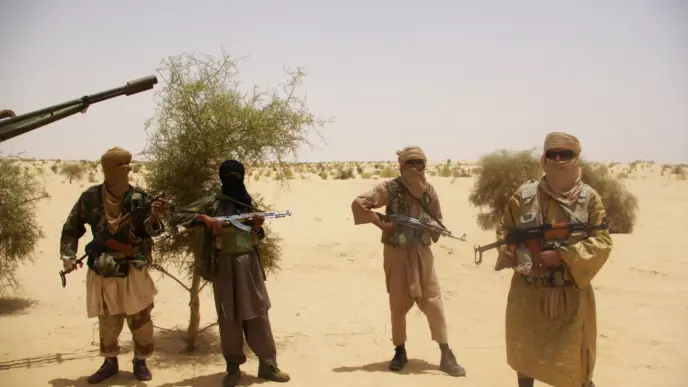
Traoré has built his leadership narrative around sovereignty, steering Burkina Faso away from its former colonial ruler, France and reducing engagement with Western partners. His government has prioritised a hard-line security posture as the country battles nearly a decade of jihadist violence that has claimed thousands of lives and displaced millions.
The original transition timetable, introduced after the January 2022 coup, was expected to restore democratic governance by July 2024. Instead, the junta extended the transition by five years, allowing Traoré to remain in control while citing ongoing insecurity as justification.