Trending
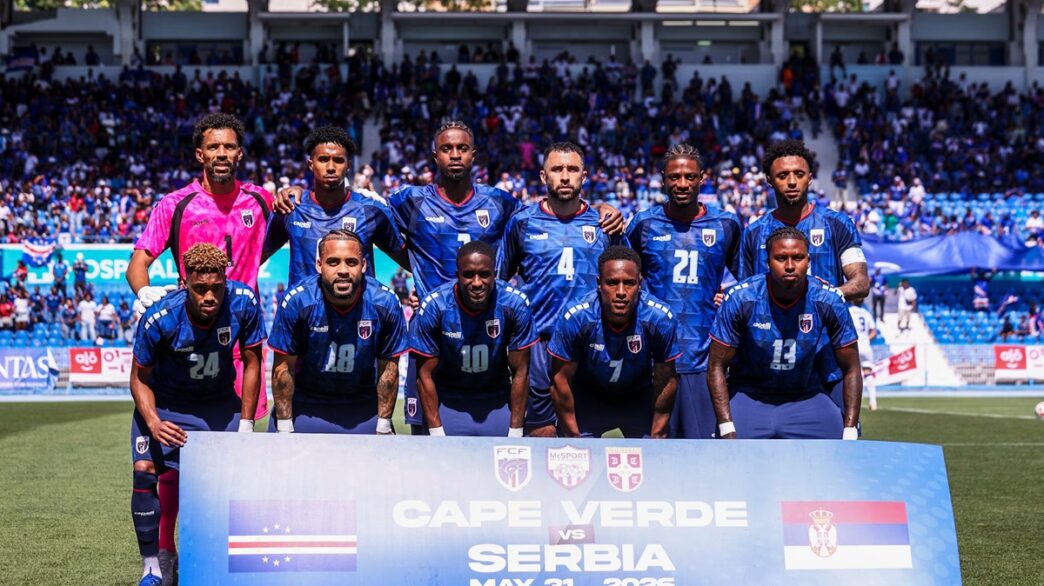
Cape Verde has extended their World Cup momentum with a disciplined draw against Uruguay as a structured approach reshapes its debut campaign
The island nation’s 2-2 draw with Uruguay extends a debut World Cup run defined by control under pressure. The result keeps the Blue Sharks unbeaten after two matches and firmly alive in Group H, where qualification remains open heading into a decisive final round.
“This is a team that plays with organisation, courage, and clarity in difficult moments,” coach Pedro Bubista Brito said after the Uruguay draw.
Read More : Costa Rica Sack Coach Batista After Poor Start
“We finished under physical pressure, but we remained competitive until the end.”
The match in Miami followed a familiar pattern now emerging in Cape Verde’s tournament identity. Uruguay controlled possession and territory for long stretches, particularly after halftime, but repeatedly ran into a compact defensive structure that refused to collapse even under sustained pressure. When gaps appeared, they were narrow, contested, and quickly closed.
Cape Verde’s response was built on timing. Kevin Pina’s 21st-minute free-kick from 34 yards arrived after a transition foul drawn by Telmo Arcanjo, a moment created from a rare forward break rather than prolonged buildup. The strike went through a gap in the wall and into the bottom corner, a finish that matched the team’s broader approach.
Uruguay responded with force before halftime. Maxi Araújo and Agustín Canobbio turned the match around in quick succession, punishing a brief dip in Cape Verde’s defensive spacing.
But the response in the second half defined why this team is being taken seriously.
Instead of opening up, Cape Verde tightened. Instead of chasing possession, they waited for structure to reassert itself. The equaliser came not from pressure but from opportunism. Helio Varela capitalized on a defensive mix-up in the 61st minute, converting Cape Verde’s second clear chance of the match.
From there, the game settled into a familiar rhythm. Uruguay pushed. Cape Verde absorbed. Uruguay crossed, pressed, and rotated. Cape Verde held shape, delayed decisions, and forced attacks into crowded spaces.
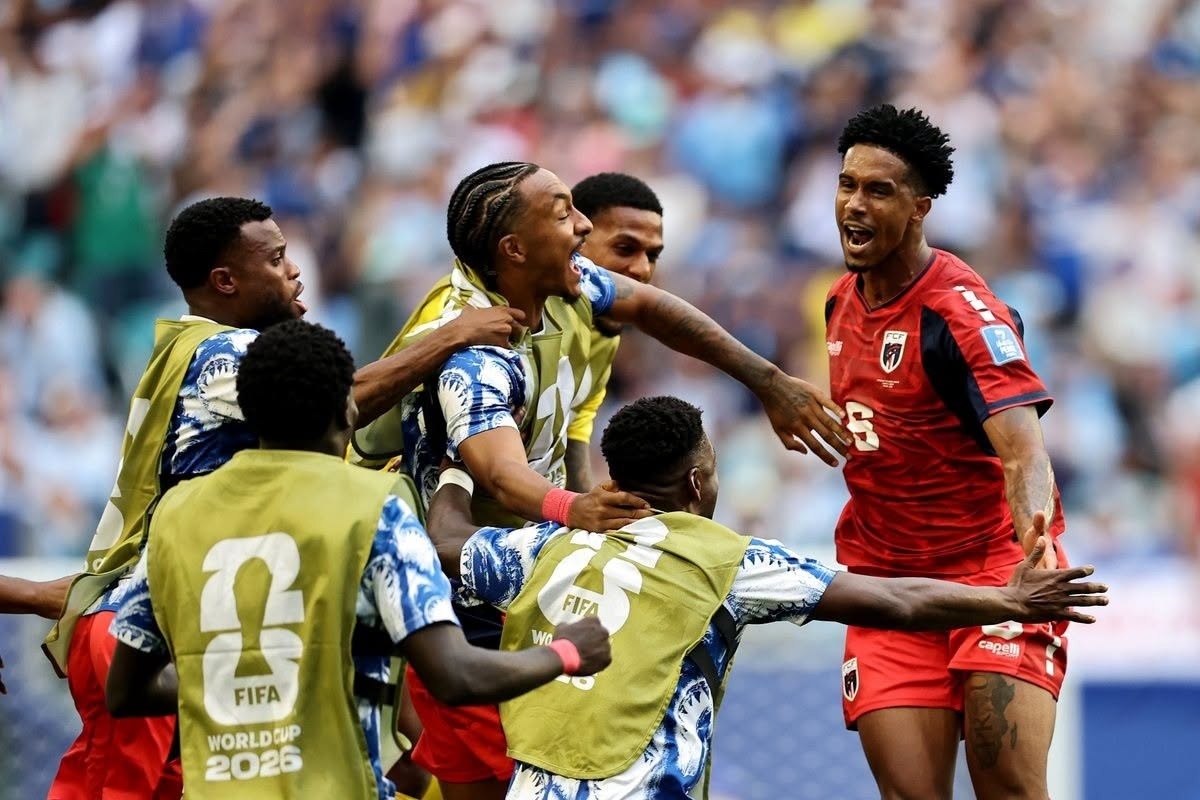
Marcelo Bielsa, the Argentine football manager, was direct in his assessment. “When we lost control of rhythm, the match shifted away from us,” he said. That phrase, rhythm control, has quietly become the defining theme of Cape Verde’s tournament.
That model has now produced two draws for the debutants against former world champions.
Statistically, the profile is unusual for a World Cup debutant. Cape Verde has conceded only twice across two matches against elite opposition, both coming in brief spells rather than sustained breakdowns. The rest of their defensive workload has been absorbed without structural collapse.
There is also a psychological layer emerging. Opponents are beginning to overcommit in search of openings, only to find fewer clear chances than expected. That pressure builds frustration, and frustration has become part of Cape Verde’s defensive advantage.
The match also produced a rare statistical footnote. Uruguay’s Fernando Muslera and Cape Verde’s Vozinha became the first starting goalkeepers aged in their 40s to feature in the same World Cup match, a symbolic collision of experience at a tournament increasingly shaped by tactical discipline rather than individual legacy.
For Cape Verde’s players, the emotional weight is still settling. Helio Varela, who scored the equalizer, described it simply. “I had dreamed of this, but I never imagined it would happen this way. Scoring on my World Cup debut is incredible.”
That mix of disbelief and control mirrors the wider trajectory of the team. Nothing about their campaign has been chaotic. Even the goals they concede come in short bursts rather than sustained pressure waves.
The draw leaves Group H finely balanced. Spain leads the group, Uruguay and Cape Verde sit level on points, and Saudi Arabia remains within mathematical reach. One match now defines everything. A win could take Cape Verde into the knockout phase in their first World Cup appearance. A draw or defeat could still leave them dependent on other results.
Zooming out, Cape Verde’s run is no longer an isolated story.
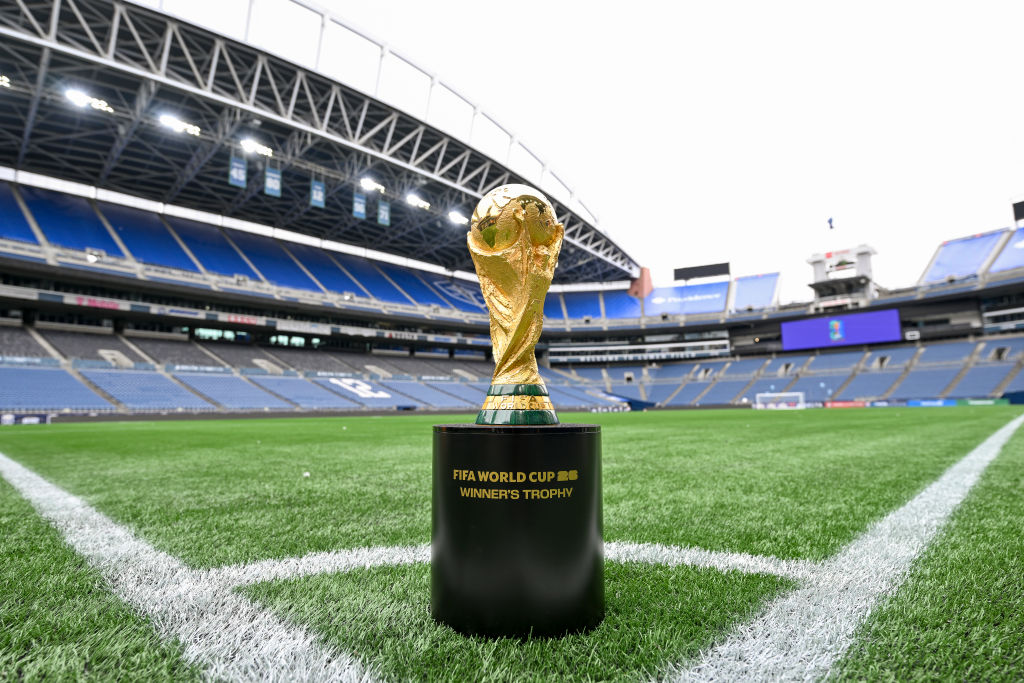
Notably, Ghana’s 0-0 draw with England extends a pattern emerging across African teams at the 2026 World Cup, where structured defensive systems are increasingly defining results against elite opposition.
The point keeps the Black Stars in qualification contention and reinforces a wider shift toward controlled, low-variance football in high-stakes group matches.
“Ghana produced a disciplined defensive performance… they defended with patience, courage, and concentration,” according to the match report published by CAF, as England failed to convert territorial dominance into clear chances.
Across the African contingent at this World Cup, a clearer pattern is emerging. Morocco, Egypt, Ghana, Algeria, South Africa, and Côte d’Ivoire are all still in contention for progression in tightly contested groups. The common thread is not dominance, but management.
Fédération Internationale de Football Association (FIFA) technical observers have pointed to the same underlying shift. “The expanded tournament format has increased the threshold for progression, but also rewarded teams that can manage margins rather than dominate games,” they noted in post-match analysis of the group phase.
Morocco have combined control and restraint, drawing Brazil before edging Scotland 1-0. Egypt have shown second-half authority, turning games after slow starts, including a comeback win over New Zealand led by Mohamed Salah. Ghana’s stoppage-time win against Panama highlighted persistence under pressure rather than early control.
Read More : AFCON 2027 Qualifier: DR Congo Beat Zimbabwe 2-1
Elsewhere, Algeria’s recovery against Jordan after a loss to Argentina showed adjustment within matches. South Africa’s draw with Czechia, following a narrow defeat to Mexico, reflected incremental stability. Côte d’Ivoire’s 3-3 split of results against Germany highlighted volatility, but also the ability to score at elite level.
With one group match remaining for some teams, qualification is becoming more tactical.
Credit:Bonface Orucho, Bird Story Agency.