Trending
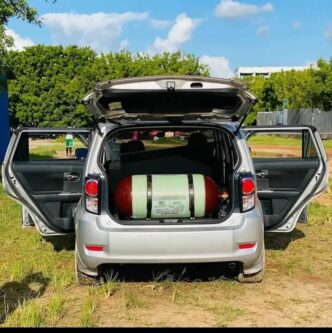
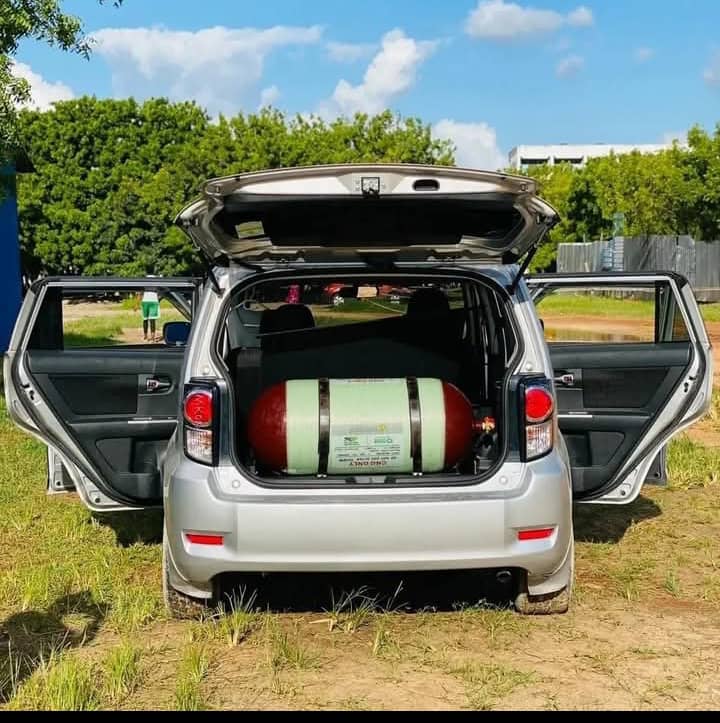
Across Africa, more people are switching their cars, buses and three-wheeled autorickshaws, known as bajajis in Tanzania and Keke Napep or Keke Maruwa in Nigeria, to Compressed Natural Gas (CNG).
The CNG fuel is said to be cheaper than petrol, and it burns more cleanly. In Tanzania, this change is slowly changing everyday life of citizens in big cities like Dar es Salaam.
One of the people feeling this change is 32-year-old Hamadi Juma.
Every morning, Juma pushes his bajaji out of his backyard in Temeke and heads to Nelson Mandela Road to look for passengers.
He told Bird that he decided to switch to CNG when petrol costs became too heavy for him to cope with.
“When I was using petrol, I used to stop working before sunset. Fuel was too expensive,” Juma said.
“With gas, I work longer and keep more money after every trip.”
According to Juma, CNG now helps him save Tsh 10,000–14,000 ($4–6) every day because it costs 30–40% less than petrol.
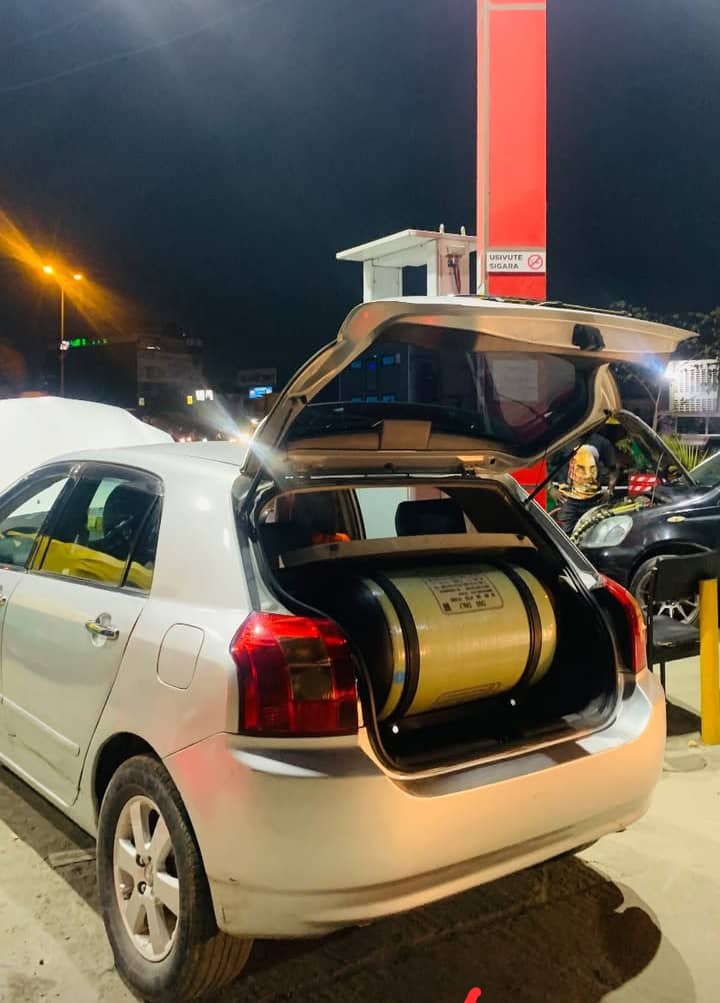
Many other Tanzanian drivers have made the same choice as Juma. According to the Tanzania Petroleum Development Corporation (TPDC), CNG-powered vehicles in the country grew from just over 1,100 in 2021/22 to more than 7,000 by mid-2024. Some industry estimates project the number to have surpassed 15,000 vehicles by 2025.
Still, CNG stations are not enough, even in Dar es Salaam.
“Sometimes, during peak evening hours, you still find queues. But it’s nothing like before,” Juma said.
But the government wants to close this gap. Deputy permanent secretary in the Ministry of Energy, Dr. James Mataragio, has asked Tanzanians to invest in more CNG stations.
The government also plans to build new stations in Dodoma, Morogoro and Mwanza.
Other public transport in the country is joining the movement too. In May 2025, Dar es Salaam’s rapid transit agency (UDART) introduced the first CNG-powered BRT buses. The plan is to bring in 100 buses supplied through a UAE-backed initiative. UDART also believes using CNG will reduce costs and cut pollution.
Juma says even his small bajaji is making a difference in the environment as his exhaust pipe releases less smoke and makes far less noise.
“This city breathes a little easier when more vehicles like mine use gas,” Juma said.
Other African countries are moving in the same direction. Egypt leads the continent with a huge CNG programme supported by hundreds of fuel stations and government-backed vehicle conversions.
Egypt now ranks number 8 out of the 49 countries conducting clean fuels programs, based on the total number of CNG-powered vehicles.
Nigeria is also speeding up its transition through the National Gas Expansion Programme as it plans to establish 500 additional Compressed Natural Gas (CNG) refuelling stations across the country over the next three years, as part of a drive to promote cleaner energy alternatives and reduce reliance on petrol and diesel.
A report titled “Africa CNG and LPG Vehicle Market” by Mordor Intelligence says CNG made up more than 77% of Africa’s alternative-fuel vehicle revenues in 2024 and will continue to grow through 2030.
Twaha Mruma, for bird story agency.