Trending
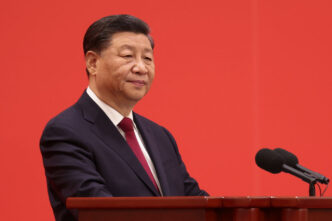
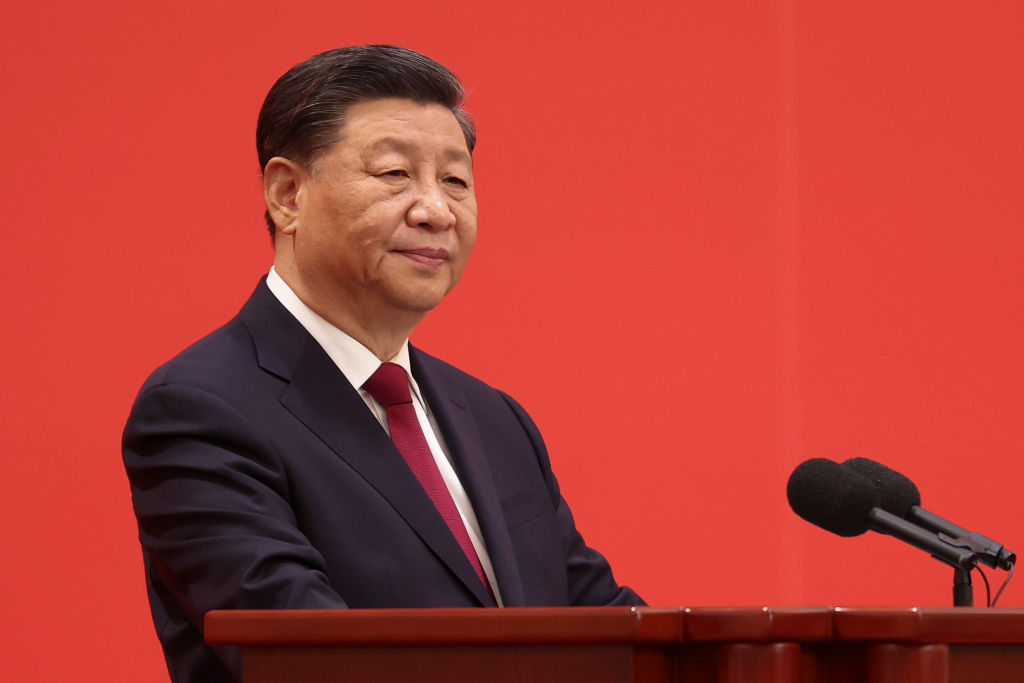
China urged the United States on Monday to cancel its unilateral tariff measures following a landmark U.S. Supreme Court decision that invalidated many of President Donald Trump’s trade policies.
The Chinese commerce ministry announced it is conducting a “comprehensive assessment” of the 6-3 ruling, which determined the president lacked the authority to impose sudden levies under a 1977 law.
Beijing warned that “there are no winners in a trade war” and emphasised that such protectionist strategies only serve to disrupt the global trade order.
The diplomatic friction has intensified following President Trump’s swift response to his legal defeat.
After the court’s rebuke on Friday, Trump reacted with fury, quickly announcing a new 10 per cent global duty before raising it to 15 per cent on Saturday.
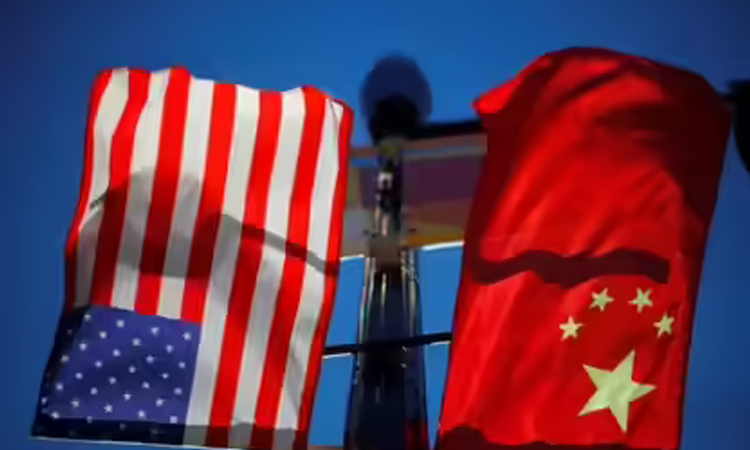
These new duties, which rely on a different legal authority, are scheduled to take effect this Tuesday for 150 days.
Beijing’s foreign ministry noted it is paying “close attention” to these alternative tactics, including new trade investigations, and vowed to resolutely safeguard China’s national interests.
This exchange of warnings comes at a particularly sensitive time, just weeks before President Trump is scheduled to visit China for the first trip of his second term.
While U.S. Trade Representative Jamieson Greer has attempted to de-escalate the rhetoric—stating that the April meeting between Trump and President Xi Jinping is intended to maintain stability rather than to “fight about trade”—the underlying tension remains high.
The U.S. has already threatened future tariffs on the Chinese semiconductor industry, though those measures have been delayed until 2027.
The Supreme Court ruling represents a rare political and judicial setback for Trump, whose signature economic policies have largely gone unchallenged by the court since his return to office.
As global partners like the European Union and China study the legal implications of the ruling and the subsequent new duties, the trade landscape remains volatile.
For now, Beijing continues to frame the U.S. actions as an abuse of power intended to “unreasonably suppress” foreign industries, while Washington insists the measures are necessary to protect American interests.