Trending
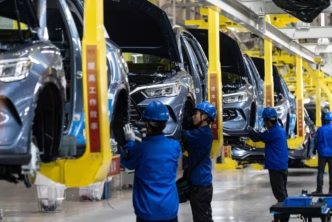
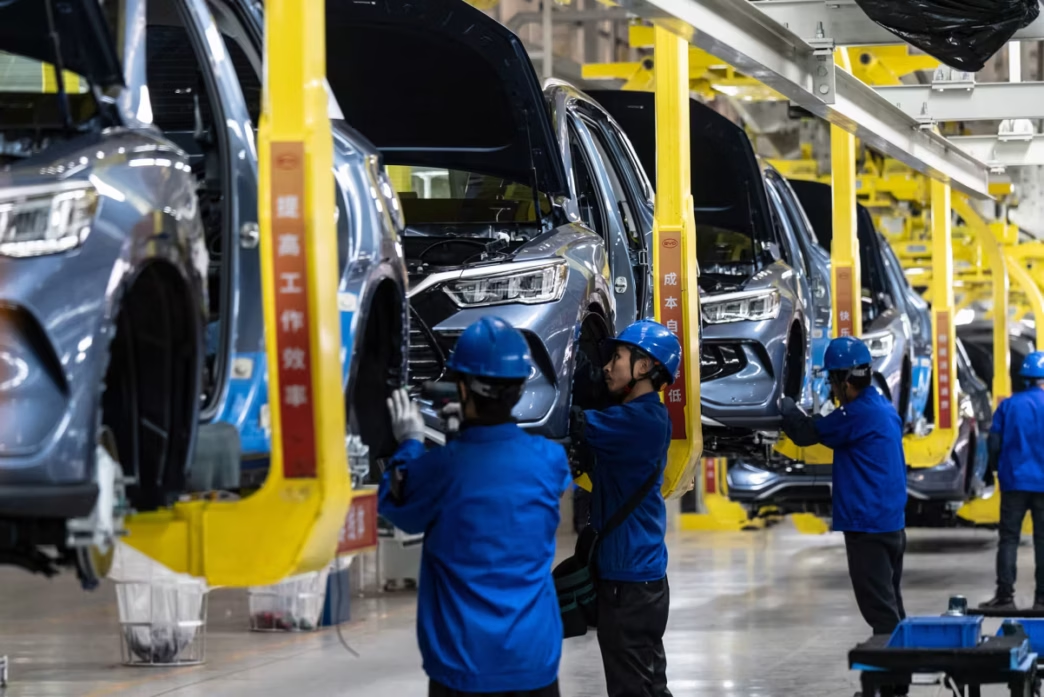
Chinese automakers are poised to enter the American market within the next five to 10 years, a shift that experts believe could transform the U.S. automotive landscape.
While a staggering 100% tariff currently blocks vehicles shipped directly from China, companies are increasingly looking to establish domestic manufacturing plants.
This “build-where-you-sell” strategy would allow Chinese brands to bypass trade barriers while tapping into the world’s most profitable arena for large, high-end vehicle sales.
President Donald Trump has signalled a surprising openness to this expansion, provided it boosts the domestic economy.
In recent remarks, he expressed support for Chinese brands that are willing to build plants and hire American workers, stating, “Let China come in” as long as the production stays local.
The White House has echoed this sentiment, noting that the administration supports foreign investment provided it does not compromise national or economic security.
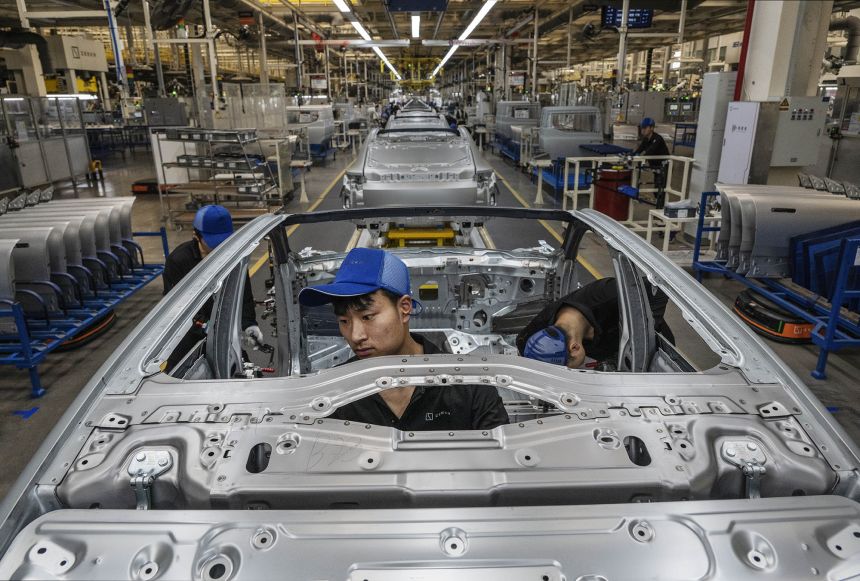
The entry of giants like BYD—which recently surpassed Tesla in global EV volume—could provide much-needed relief for American consumers facing record-high car prices.
With the average new car in the U.S. costing around $50,000 compared to a $19,000 average for Chinese exports, the increased competition is expected to drive prices down.
Experts point to the European market, where Chinese brands have already gained significant ground not just through lower costs, but through high-tech features and quality that have challenged established foreign rivals.
However, this transition is not without risks.
While consumers may benefit from more affordable electric vehicles, the influx of competition could squeeze the profits of the “Big Three” U.S. automakers and threaten the job security of nearly one million Americans employed in the sector.
As Geely—the owner of Volvo—already expands its South Carolina operations, an official announcement regarding a dedicated Chinese brand launch in the U.S. is expected within the next 24 to 36 months.