Trending
Global financial markets showed mixed reactions on Thursday, April 9, as uncertainty grew over the weak ceasefire between the United States and Iran.
While investors are worried that the temporary truce could collapse, oil prices surged quickly, and many stock markets fell. The ceasefire, announced by Donald Trump, was expected to pause the war for 2 weeks and create space for peace talks.
After Iran signalled its willingness to reopen the Strait of Hormuz, a major route for global oil and gas supply, markets responded positively, global stocks increased, and oil prices dropped on Wednesday, April 8.
However, tensions quickly returned as Israel continued its military operations in Lebanon, targeting the Iran-backed group Hezbollah. Israeli officials stated that the ceasefire didn’t cover its conflict with Hezbollah.
US Vice President JD Vance backed this position, saying that the situation in Lebanon was not part of the ceasefire agreement. In response, Iran accused the US of violating the terms of the deal.
Iranian officials also raised concerns about reported incidents, including a drone entering its airspace and restrictions on its nuclear programme. The country’s parliament speaker, Mohammad Bagher Ghalibaf, said these actions made further negotiations difficult.
The situation escalated when Hezbollah reportedly fired rockets at Israel, saying it was responding to attacks in Lebanon. At the same time, Antonio Guterres warned that the ongoing strikes already threaten the fragile ceasefire.
There were also concerns about the Strait of Hormuz, a key shipping lane for global oil shipments. Reports indicated issues in the area, but Iran said it was arranging new shipping routes to keep things moving.
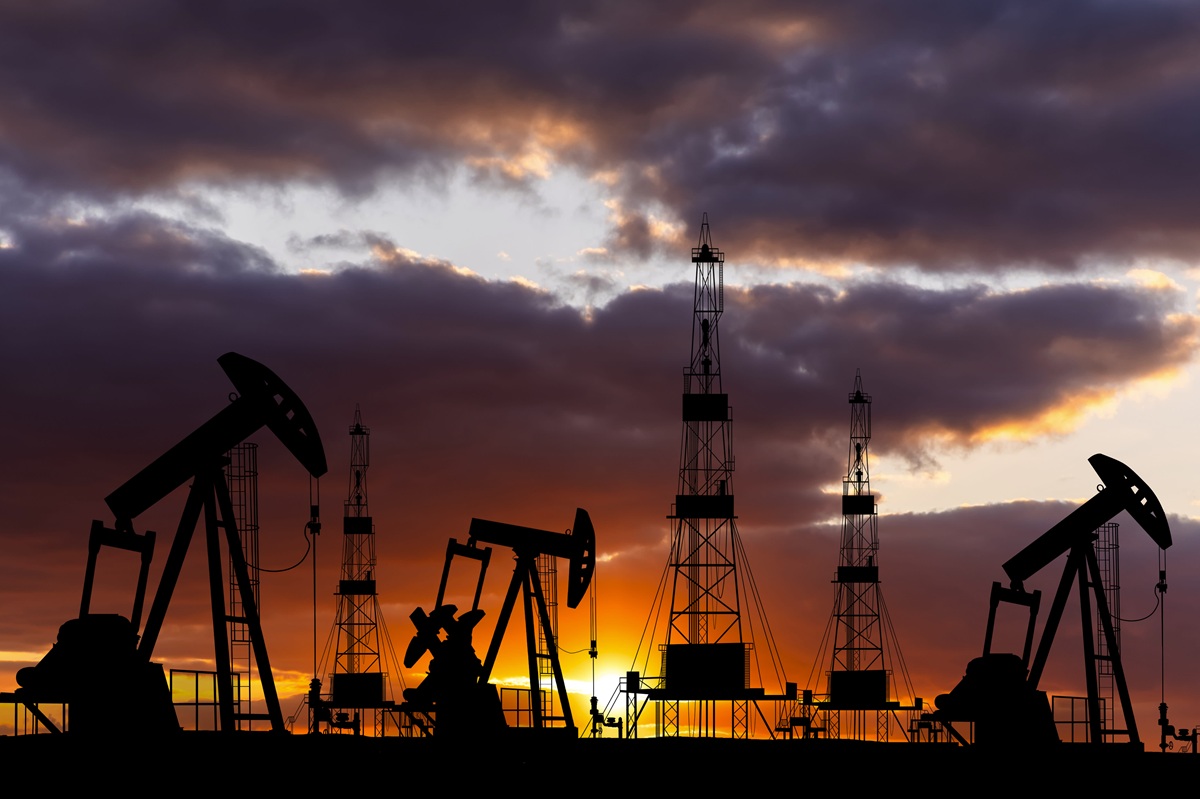
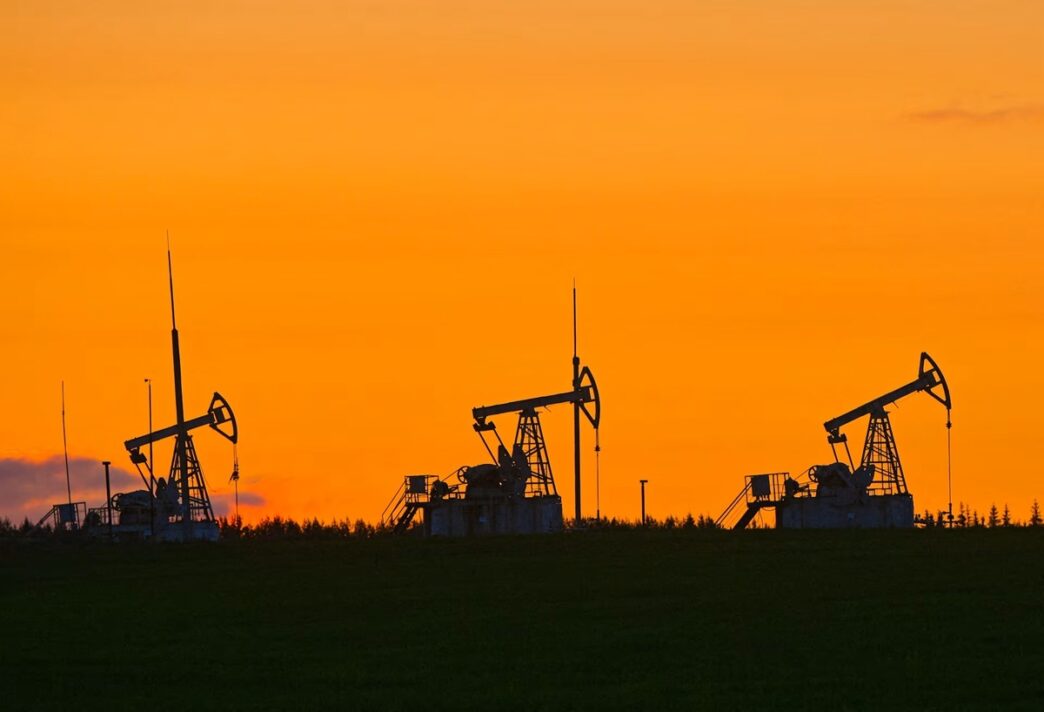
As a result of these developments, oil prices increased again. West Texas Intermediate rose by over three per cent, while Brent crude also recorded gains. This came after sharp declines the previous day.
However, stock markets performed more weakly, with major Asian markets, including Tokyo, Hong Kong, and Shanghai, recording losses. European markets were mixed, while US futures pointed to a lower opening.
Analysts say the uncertainty surrounding the ceasefire is affecting investor confidence, and there are also concerns about possible long-term effects on global energy supply, especially if the conflict continues or infrastructure damage worsens.
Despite the tension, some experts think oil prices may stabilise if the ceasefire holds and shipping through the Strait of Hormuz returns to normal. For now, global markets remain cautious as investors monitor changes and the outcomes of ongoing diplomatic discussions.
Major figures at around 0715 GMT
- West Texas Intermediate – UP 3.3 per cent at $97.48 a barrel
- Brent North Sea Crude – UP 2.3 per cent at $96.94 a barrel
- Tokyo – Nikkei 225 – DOWN 0.7 per cent at 55,895.32 (close)
- Hong Kong – Hang Seng Index – DOWN 0.4 per cent at 25,782.73
- Shanghai – Composite – DOWN 0.7 per cent at 3,966.17 (close)
- London – FTSE 100 – UP 0.2 per cent at 10.626,30
- Euro/dollar – DOWN at $1.1662 from $1.1667 on Wednesday
- Pound/dollar – DOWN at $1.3393 from $1.3405
- Dollar/yen – UP at 158.79 yen from 158.35 yen
- Euro/pound – DOWN at 87.07 pence from 87.22 pence