Trending

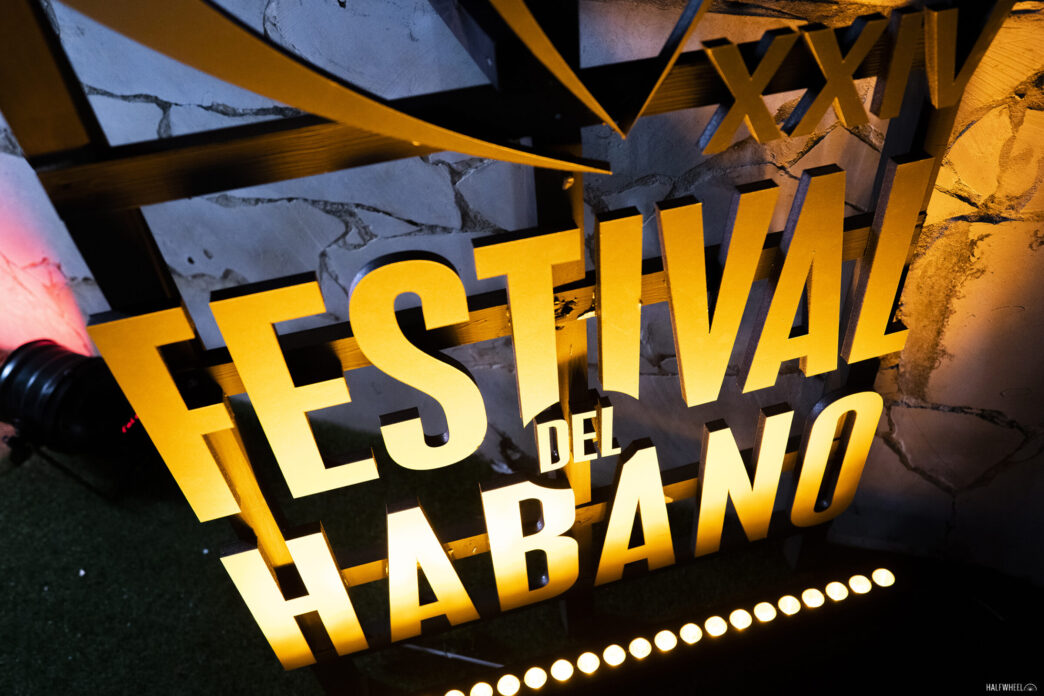
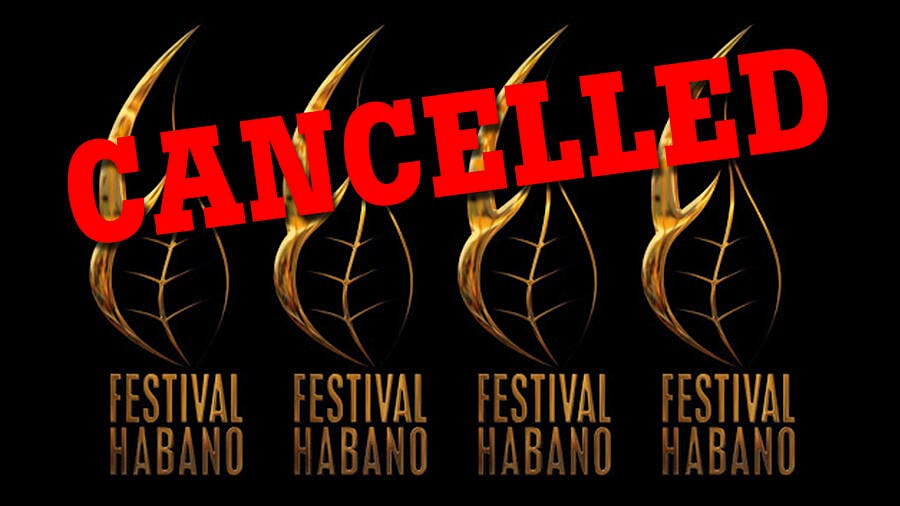
Cuba has officially cancelled its world-renowned annual cigar festival, a decision driven by a severe energy crisis that has paralysed the island.
Originally scheduled to run from February 24 to 27, the event serves as a critical financial lifeline for the cash-strapped nation.
Organisers notified participants that the festival would be postponed indefinitely, citing the logistical impossibility of hosting the international summit as the country struggles with widespread fuel shortages.
The loss of the festival is a major blow to Cuba’s social infrastructure.
Beyond promoting the island’s most famous export, the event’s high-profile auctions raise millions of dollars; last year alone, the festival generated approximately $19.5 million. These funds are historically funnelled directly into the Cuban healthcare system.
With Europe remaining the primary market for these luxury goods, the cancellation halts a vital stream of foreign currency at a time when the economy is in a state of freefall.
The roots of the energy paralysis lie in intensified diplomatic and economic pressure from the United States.
Following the ouster of Venezuelan President Nicolas Maduro in early January, the U.S. successfully blocked oil deliveries from Venezuela—Havana’s primary energy supplier.
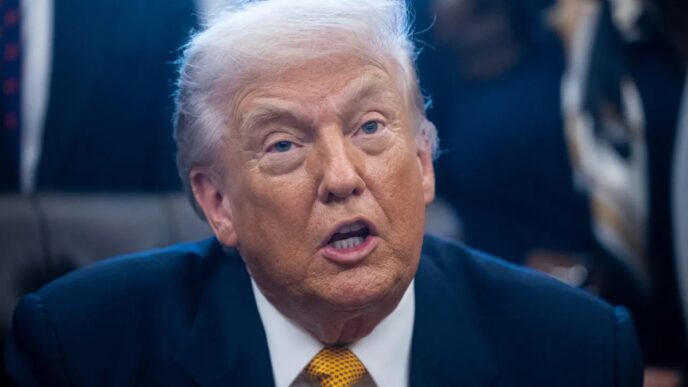
Furthermore, an executive order signed by President Donald Trump allows for tariffs on any third-party nation that attempts to sell oil to the island, effectively isolating Cuba from the global energy market.
This fuel shortage has had a domino effect on the nation’s tourism and transport sectors.
Major international carriers, including Air Canada, have suspended flights to the island due to the lack of available jet fuel.
Several foreign governments have issued urgent travel advisories, warning their citizens that they could become stranded if they visit.
As the lights dim across the island, the postponement of this iconic cultural event stands as a grim symbol of Cuba’s deepening isolation.