Trending
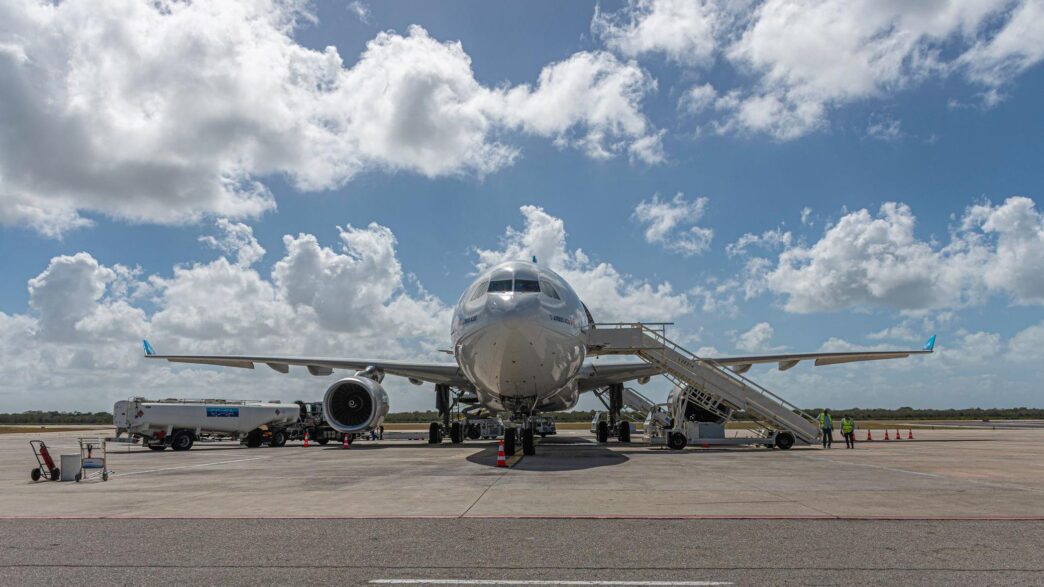
Cuban aviation officials have informed airlines that a severe jet fuel shortage will persist until at least April 10.
The fuel crisis is a direct result of an intensified energy blockade led by the United States, which has crippled the island’s ability to maintain normal flight operations.
In response, several international carriers have suspended service to Cuba entirely, while others have been forced to alter their flight paths to refuel in neighbouring countries.
The energy embargo intensified earlier this year following a U.S. military operation that ousted Venezuelan President Nicolás Maduro, cutting off Cuba’s primary oil source.
To further tighten the squeeze, U.S. President Donald Trump has threatened major suppliers like Mexico with heavy tariffs if they continue to export energy to the island.
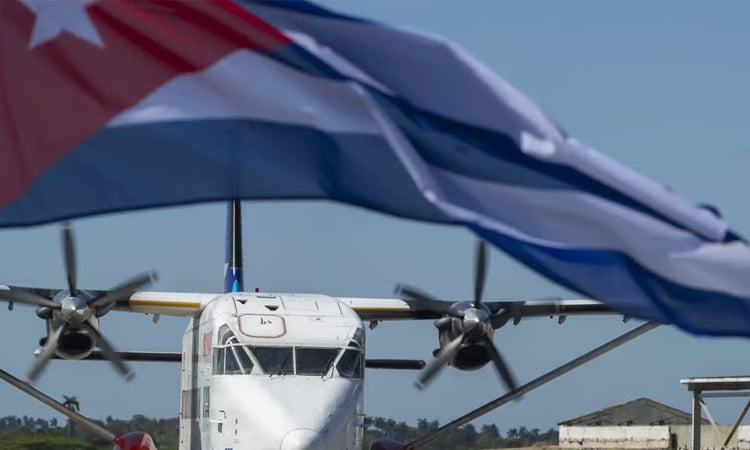
These measures are designed to pressure the Cuban government, with the U.S. administration openly advocating for “regime change” and targeting any nation that provides oil to the territory.
This latest development is a major blow to Cuba’s already fragile economy, which has been under a broader trade embargo since 1962.
The fuel shortage specifically targets the tourism industry—the country’s second-largest source of foreign income.
With flights cancelled and travel disrupted, the island’s ability to generate essential foreign currency is being severely compromised at a time when the government is already struggling with a deep economic downturn.