Trending
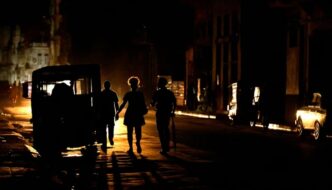
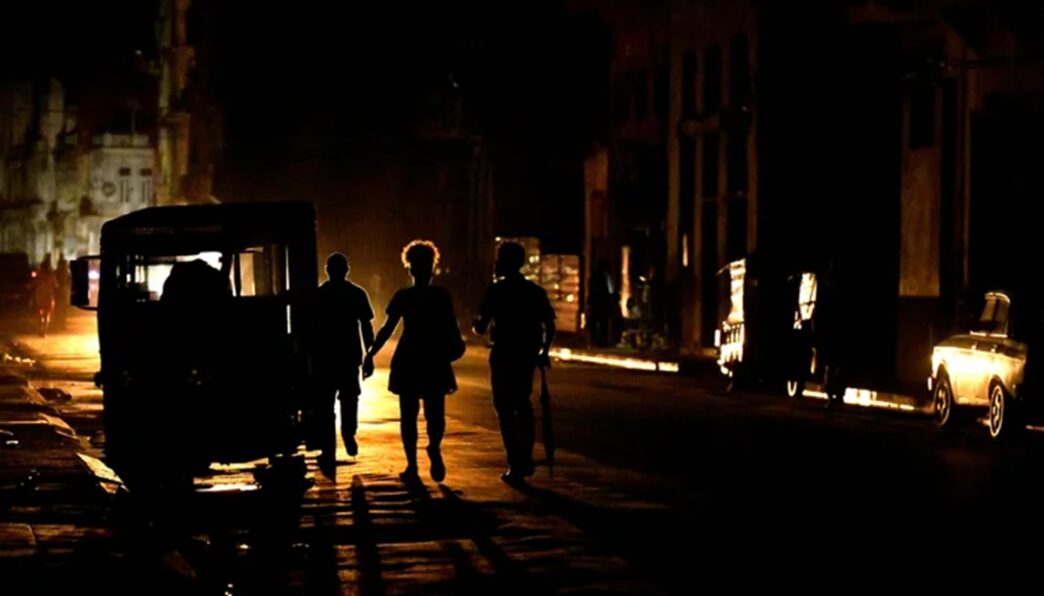
Cuba has once again been plunged into darkness following a nationwide power outage that struck the island on Saturday, marking the second total blackout in less than a week and deepening an already severe energy crisis.
According to the country’s energy ministry, the collapse was triggered by a “total disconnection” of the national electricity system, with restoration efforts immediately underway.
The outage began in the capital, Havana, shortly before nightfall, as buildings across the city lost power around 6:30 p.m. The blackout comes just days after a similar incident left millions without electricity, underscoring the fragile state of Cuba’s ageing power infrastructure.
Across parts of the island, residents have already been enduring daily outages lasting up to 20 hours due to chronic fuel shortages and deteriorating generation capacity.
At the core of the crisis is a severe disruption in fuel supply. Cuban authorities have repeatedly pointed to the impact of a United States-led oil blockade, which has significantly curtailed the island’s ability to import the fuel needed to sustain electricity production.
Reports indicate that Cuba has received little to no oil shipments in recent months, following heightened sanctions and the loss of Venezuela as a key supplier after the ousting of President Nicolás Maduro in January.
The consequences have extended beyond electricity. Airlines have reduced flights, tourism has taken a hit, and essential services, from healthcare to food storage, have faced disruptions.
The blackout also coincided with the arrival of an international aid convoy in Havana, delivering critical supplies including food, water, medical equipment, and solar panels—an indication of the scale of humanitarian need.
Public frustration is mounting. Persistent shortages of basic necessities, coupled with repeated blackouts, have triggered unrest in some areas, including incidents of vandalism targeting government offices.