Trending
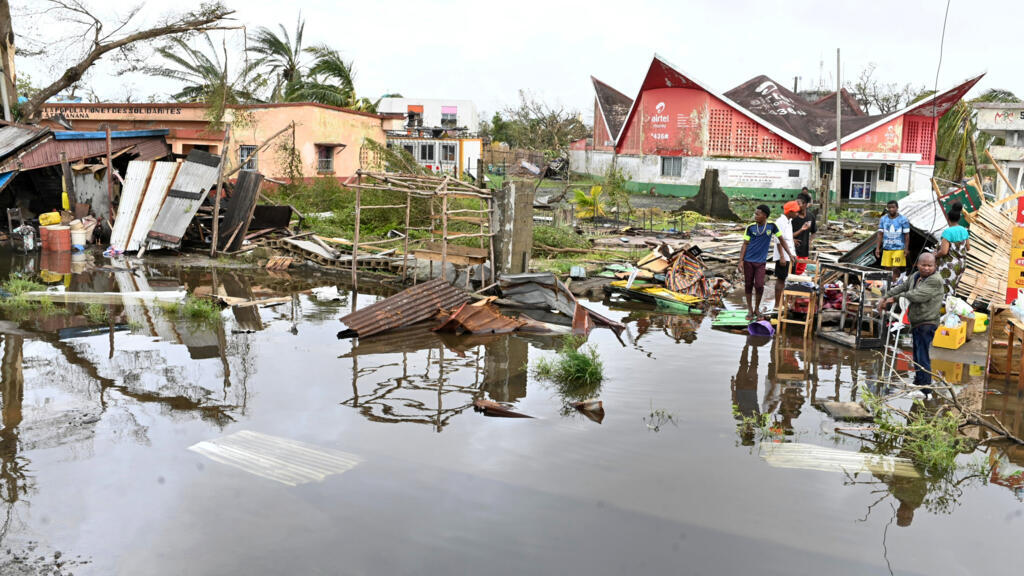
Cyclone Gezani has left a trail of destruction in Madagascar, killing at least 38 people and injuring 374 after slamming into the eastern port city of Toamasina.
With winds reaching 250 km/h, the storm is being compared to the historic intensity of 1994’s Cyclone Geralda.
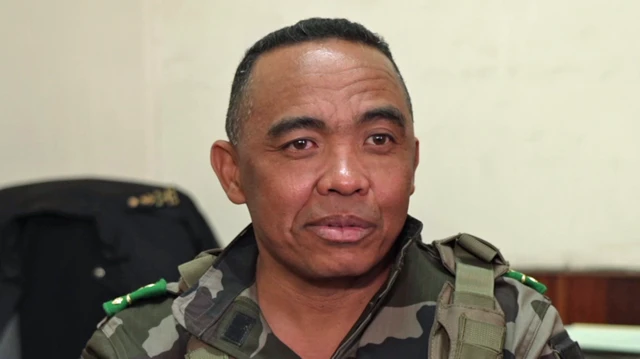
The impact on infrastructure has been catastrophic, prompting Madagascar’s leader, Colonel Michael Randrianirina, to issue an urgent plea for international aid.
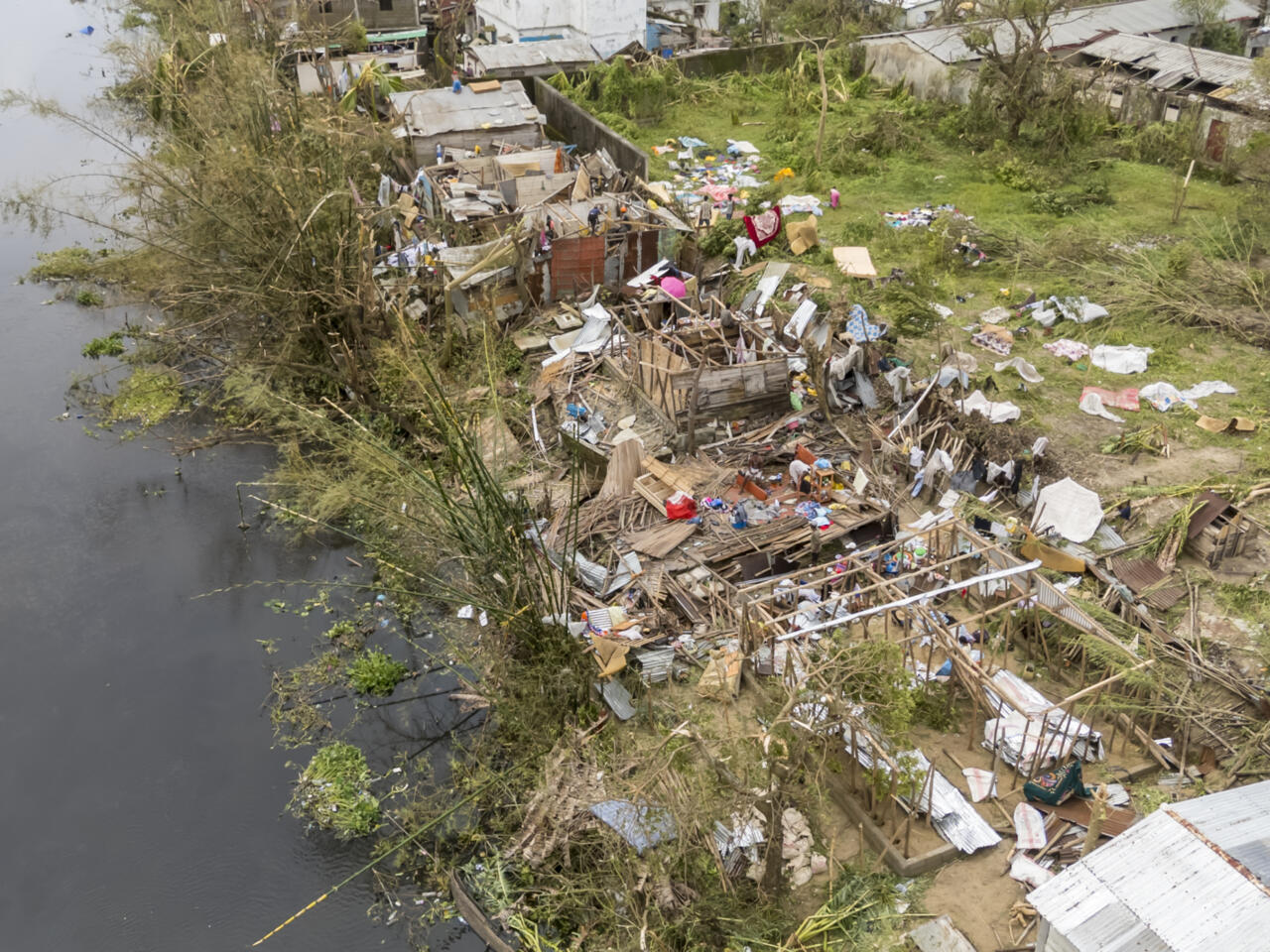
He reported that up to 75 per cent of Toamasina and its surrounding areas have been “ravaged,” with over 18,000 homes destroyed and another 50,000 damaged or flooded.
Images from the city show a landscape of uprooted trees and buildings stripped of their roofs, leaving more than 12,000 residents displaced and searching for shelter among the ruins.
Meteorologists at the CMRS forecaster on France’s Reunion Island confirmed that Toamasina took a direct hit from the “most intense part” of the storm.
The cyclone’s power has drawn comparisons to the infamous Cyclone Geralda in 1994, which claimed 200 lives.
While Gezani lost some strength while crossing the island’s rugged interior, it continued to dump torrential rain as a tropical storm until Wednesday night, causing further carnage in the Atsinanana region.
The danger is far from over for the region. As Gezani moves into the warm waters of the Mozambique Channel, it is expected to regain cyclone status.
Forecasters warn that the storm could strike southern Mozambique as early as Friday evening. This is a dire prospect for Mozambique, which has already been battling deadly flooding since the beginning of the year.
Humanitarian agencies are now scrambling to position supplies as the cyclone season in the southwest Indian Ocean continues its peak period.