Trending
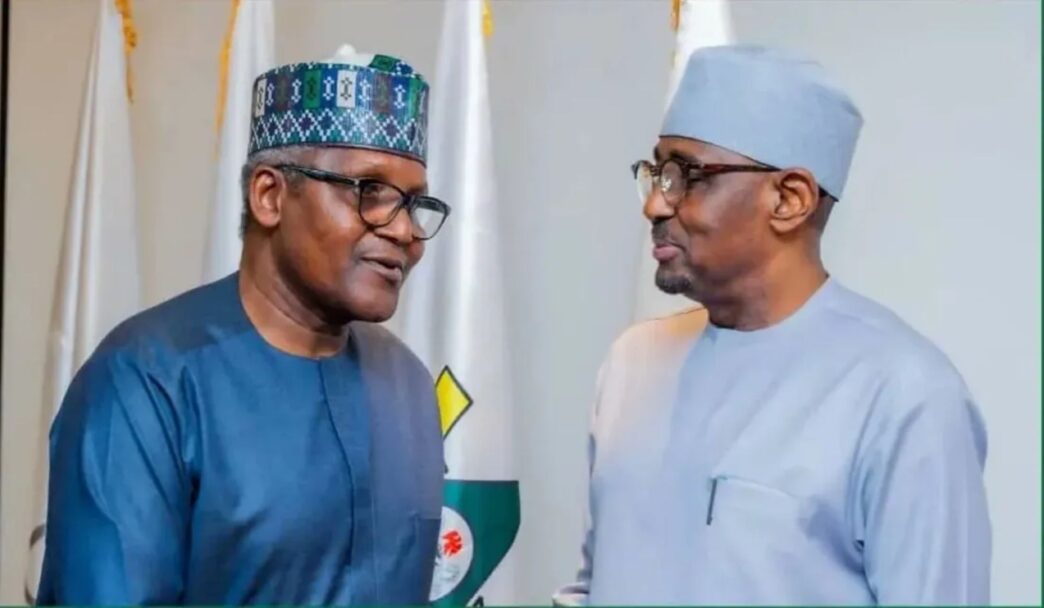
Africa’s richest man, Aliko Dangote, has accused the head of the Nigerian Midstream and Downstream Petroleum Regulatory Authority (NMDPRA), Farouk Ahmed, of spending an estimated $5 million on secondary school fees abroad while earning a public-sector salary, a claim that has reignited tensions between the billionaire industrialist and government regulators.
Dangote made the allegation while criticising what he described as the widening gap between the lifestyles of top public officials and the harsh realities facing ordinary Nigerians. According to him, the alleged sum was spent over six years to educate Ahmed’s children overseas, a figure Dangote contrasted sharply with the situation in northern Nigeria, where many families struggle to pay as little as N100,000 in annual school fees.
“How does a public servant earning a government salary afford such fees?” Dangote asked, calling on Nigeria’s tax authorities and the Code of Conduct Tribunal to investigate the source of the funds. He insisted that if wrongdoing is established, the matter should be fully prosecuted in line with the law.
The allegation has added a fresh layer to the ongoing standoff between Dangote and petroleum regulators, a dispute that has intensified since the launch of the $20 billion Dangote Refinery in Lagos. Over recent months, the refinery has been embroiled in controversies ranging from import licence approvals and claims of sabotage to disagreements over fuel quality standards.
Dangote has repeatedly argued that some regulatory actions are designed to frustrate local refining and protect fuel import interests. Regulators, on their part, have denied any wrongdoing, maintaining that their decisions are guided strictly by safety, quality and market regulations.
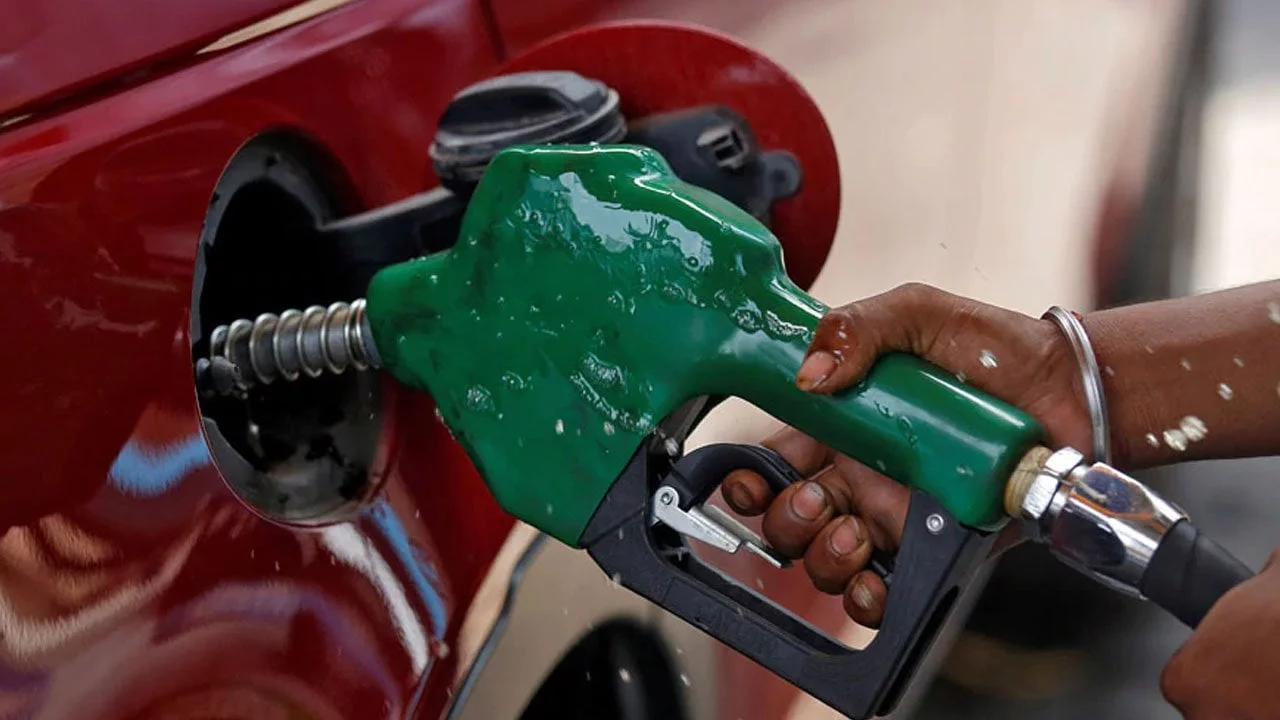
The latest accusation comes as Dangote moves aggressively to consolidate the refinery’s position in the domestic fuel market. The company recently cut the pump price of petrol to N739 per litre, a move widely seen as an attempt to undercut fuel importers, ease pressure on consumers and accelerate Nigeria’s shift away from fuel imports.
Industry analysts say the public nature of Dangote’s remarks signals a deeper struggle over the future of Nigeria’s downstream oil sector, where entrenched interests, regulatory power and private capital are increasingly colliding.