Trending
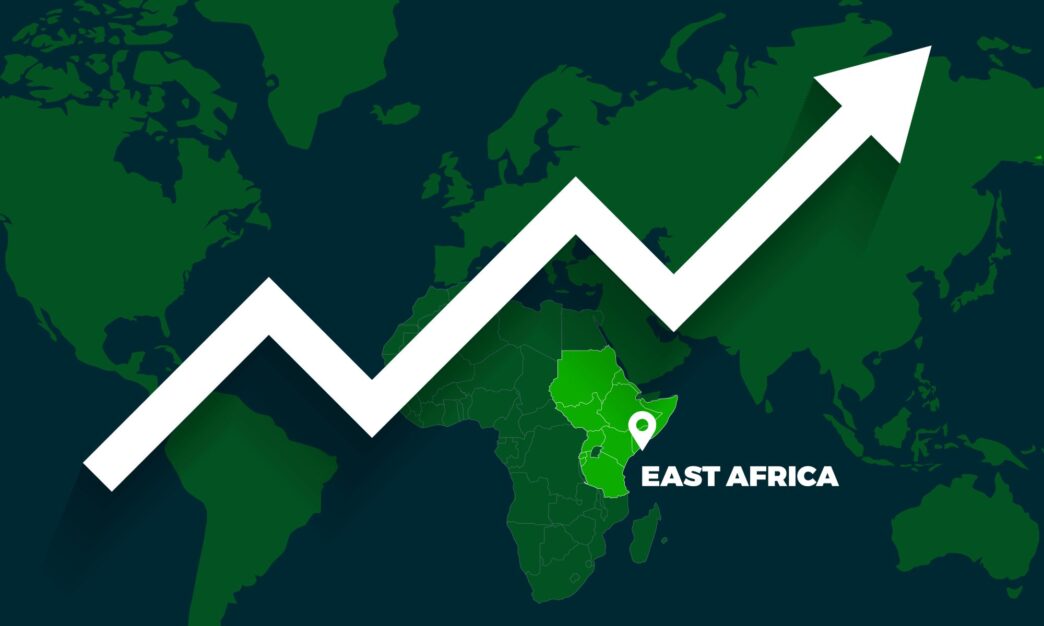
East Africa is expected to be the fastest-growing region in Africa in 2026, according to the United Nations. In its World Economic Situation and Prospects 2026 report, the UN projects the subregion’s economy will grow by 5.8%, well above Africa’s overall average of 4.0%.
According to the UN, Ethiopia and Kenya are the primary forces behind this expansion. The UN links the outlook to higher investment, improved power supply and large infrastructure projects.
It also warns that high debt costs, limited public spending room and tight global financial conditions could slow progress.
Big Projects, Big Expectations
In Ethiopia, construction is underway on a new international airport near Addis Ababa. The planned Bishoftu International Airport, estimated to cost $12.5 billion, is designed to support aviation, trade and logistics.
Prime Minister Abiy Ahmed has described it as Africa’s largest aviation infrastructure project.
“This multi-airport strategy aims to future-proof Ethiopia’s role as Africa’s leading air transport gateway,” Abiy said in a post on X.
“Bishoftu International Airport (BIA) will be the largest aviation infrastructure project in Africa’s history. It aligns with Ethiopia’s national economic reforms, industrialisation agenda, and long-term aviation strategy.
“The project will strengthen Ethiopian Airlines’ global competitiveness, enhance Africa’s connectivity under the AfCFTA framework, expand trade and tourism corridors, and position Ethiopia as a premier intercontinental hub.”
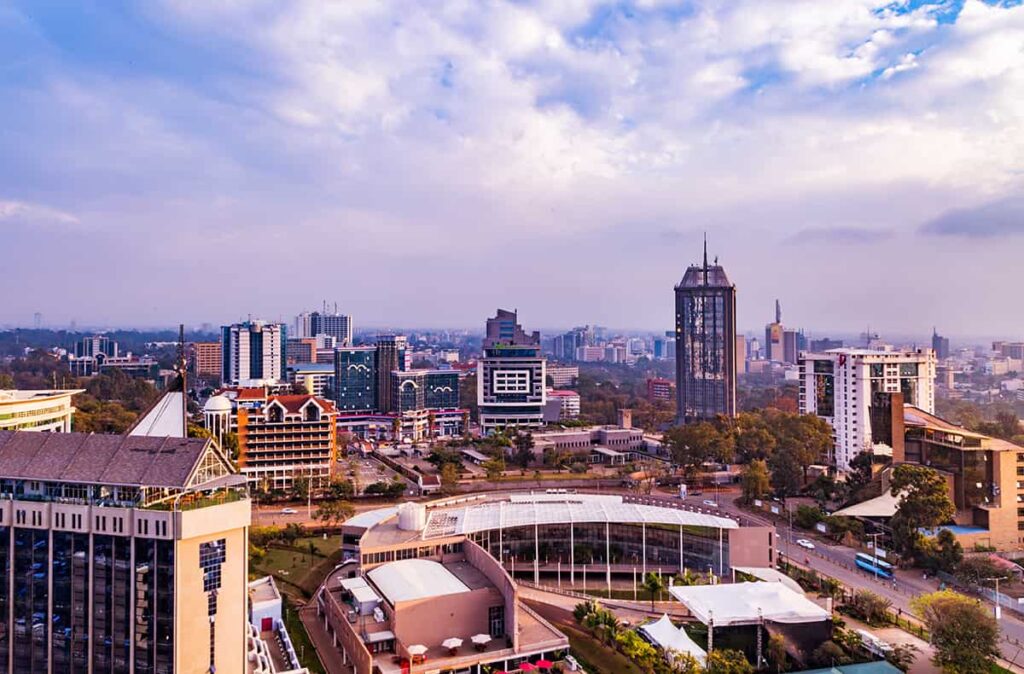
Kenya is also planning major upgrades, with President William Ruto saying work will begin in 2026 to modernise Jomo Kenyatta International Airport and also planning rail and road projects to strengthen Nairobi’s role as a regional transport hub.
Ruto explained that the country has set out priorities and now has a defined roadmap that makes 2026 the turning point in the nation’s history.
“For the first time in a long while, Kenya is not guessing. We are not drifting. We are not gambling. We have set our targets. We have begun the journey,” Ruto said during his New Year’s address.
“2026 will be a watershed year in the story of our Republic, a turning point in our march from promise to prosperity.
“A year that future generations will look back on and say Kenya changed course.”
After a previous airport deal collapsed, Kenya has said it is seeking new partners, including Qatar, for an upgrade estimated at about KSh200 billion.
According to analysts, Ethiopia and Kenya matter beyond their borders.
“Their investment cycles shape trade corridors, power supply and capital flows across East Africa and the Horn,” said Jared Kwisia, a development finance analyst at Diamond Trust Bank in Kisumu.
“Whether Africa’s projected rebound in 2026 becomes durable growth or a shallow uptick will depend largely on execution.”
Growth numbers tell part of the story
The UN forecasts Ethiopia’s economy will grow by 6.3% in 2026, while Kenya’s is expected to expand by 5.1%. These figures support East Africa’s strong regional outlook.
However, the UN notes that growth remained below the region’s average between 2010 and 2019, before the pandemic. This suggests that a full recovery is not guaranteed.
Ethiopia’s growth plan is built on large-scale investment and economic reform. The government is focusing on power generation, transport, manufacturing and logistics. A young population is seen as a key advantage.
Reforms to currency and financial markets since 2024 have helped Ethiopia secure renewed support from the International Monetary Fund and the World Bank.
In January 2026, the IMF approved a new $261 million disbursement under Ethiopia’s Extended Credit Facility (ECF) programme, bringing total support to about $2.18 billion.
Ethiopia is producing “better than anticipated macroeconomic outcomes”, according to the Fund, which cited robust growth, increased exports, better revenue mobilisation, reserve accumulation, and falling inflation as early outcomes of the reform drive.
The IMF said economic performance had been stronger than expected, citing rising exports, improved revenue collection, higher reserves, and easing inflation.
IMF Deputy Managing Director Nigel Clarke said Ethiopia “continue to make progress in advancing their ECF-supported economic reform agenda” and “measures to enhance the foreign exchange market, modernise monetary policy and mobilise fiscal revenues continue to show encouraging results.”
Pressure at the household level
Private analysts say the reforms are showing results, but living conditions remain difficult.
“From a macro- and micro-indicator perspective, the reform is moving in the right direction,” said Mered B. Fikireyohannes, head of Pragma Investment Advisory.
“Export numbers are up, imports are flowing better, forex inflows look stronger, and the government has not been printing money. Inflation is coming down.”
He added, “But from the household and firm perspective, people are still struggling.”
However, he added that conditions remain difficult for households and firms, stating that “Living costs remain very high, and credit is tight because of the monetary policy stance.”
Foreign exchange remains the largest risk, he said, pointing to the gap between official and parallel market rates that creates uncertainty for banks and businesses.
Kenya’s strengths and limits
Kenya’s economy is more diversified, with strong sectors such as agriculture, tourism, finance, and digital services. This helps reduce risk when one sector slows.
The Central Bank of Kenya said foreign exchange reserves stood at about $12.2 billion in late 2025, equal to more than five months of import cover.
If completed, Kenya’s airport and transport upgrades could ease congestion, cut logistics costs and support tourism and trade.
But Kenya also faces tight public finances. Debt servicing limits spending, and local markets cannot fully fund large infrastructure projects. Attracting pension funds and private investors will require clear rules and bankable projects.
Financing and jobs remain challenges
Long-term funding is hard to come by in East Africa. According to the African Development Bank’s 2025 infrastructure outlook, pipelines frequently exceed financing capacity, and there is a persistent shortage of reasonably priced long-dated capital for infrastructure.
Ethiopia relies heavily on blended finance and government backing for major projects. Kenya is using a mix of local bonds, foreign loans and public-private partnerships.
Both countries also face pressure to turn growth into jobs. The World Bank has said Africa’s current growth pattern is not creating enough formal employment. Infrastructure can help, but only if firms have access to power, skills and foreign exchange.
Regional impact growing
The benefits of stronger growth in Ethiopia and Kenya extend across the region. Better ports, airports and power systems reduce costs for neighbouring countries and improve trade links.
The United Nations Economic Commission for Africa says the two countries play a central role in East Africa’s trade and transport networks.
UNECA data show exports from the Democratic Republic of Congo to the United States rose by more than $1 billion between April and July 2025 compared with a year earlier. Ethiopia and Kenya also recorded strong export growth to the US.
UNECA said part of the increase was due to trade diversion, as US tariffs on East African countries were lower than those applied to major Asian exporters.
Trade within the East African Community is also rising as UNECA said intra-regional trade exceeded $11 billion in 2024, up 22% from 2023, while trade within Africa grew much faster than exports outside the continent.
Credit: Bonface Orucho, Bird Story Agency