Trending
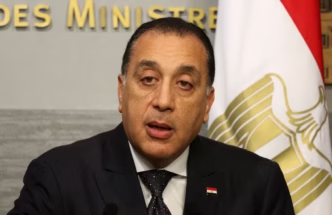
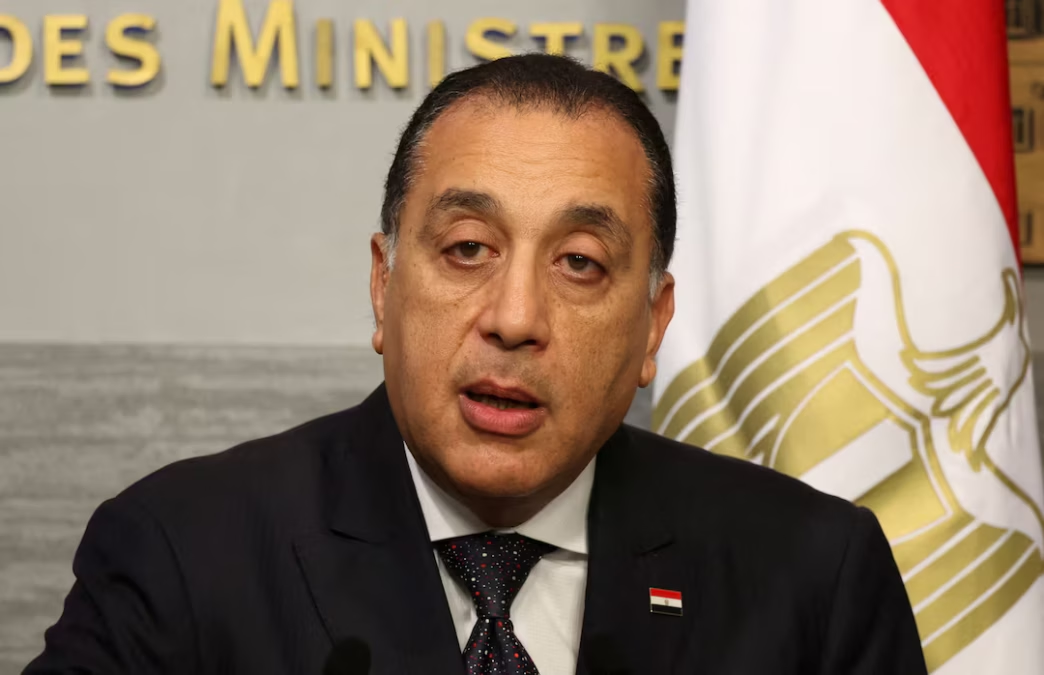
Egypt has announced a series of austerity measures to manage the economic impact of the ongoing conflict between the U.S., Israel, and Iran.
Prime Minister Mostafa Madbouly confirmed on Saturday that the government will scale back large-scale state projects that require high levels of fuel and diesel for at least two months.
Additionally, fuel allocations for all government-owned vehicles will be slashed by 30% as part of a broader strategy to stabilise public finances and mitigate rising energy costs.
To further reduce energy consumption, both public and private sector employees—excluding those in essential services and manufacturing—will transition to remote work every Sunday throughout April.
This policy may be expanded to include additional remote days or extended into future months if the regional war persists.

Although Egypt is not a direct participant in the conflict, the disruption of oil and gas transit through the Middle East has significantly inflated the cost of the country’s fuel imports.
While the government has already implemented increases in fuel and public transport prices, the Prime Minister emphasised that these current restrictions are temporary.
He noted that the administration is actively discussing a minimum wage hike and planning increased funding for healthcare and education in the upcoming fiscal year to support citizens.
Furthermore, Finance Minister Ahmed Kouchouk stated that debt servicing costs are projected to rise by only 5% in the next budget cycle, providing some fiscal breathing room as the nation navigates the crisis.