Trending
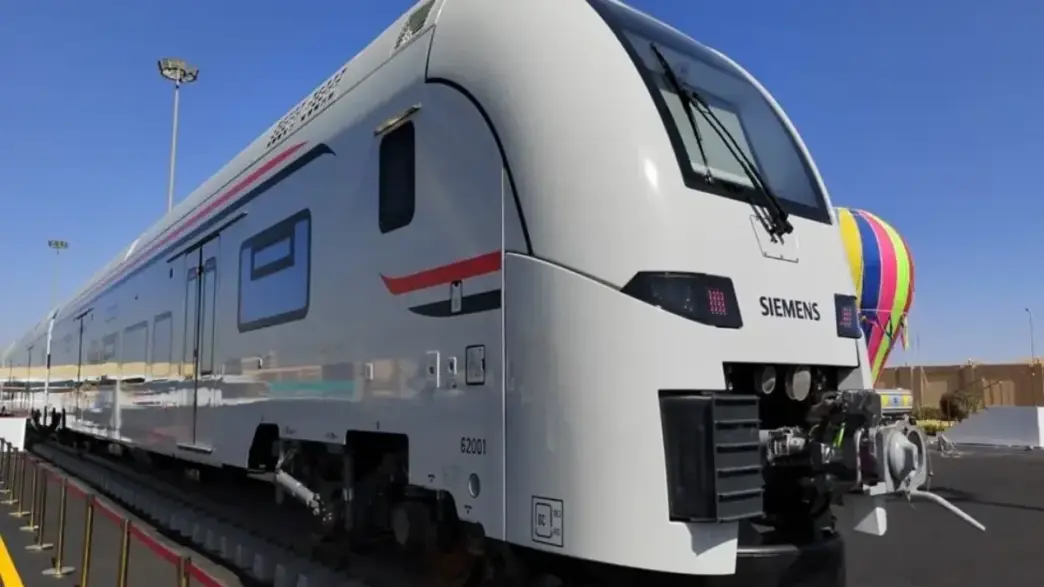
Work has begun in the desert east of Cairo on Egypt’s first high-speed railway, a flagship project designed to connect the Red Sea with the Mediterranean as part of wider efforts to modernise the country’s transport infrastructure.
The 660-kilometre line, known as the Green Line, is being described by transport minister Kamel al-Wazir as a “new Suez Canal on rails”.
Once completed in 2028, it is expected to transport passengers and freight between the two coasts in as little as three hours.
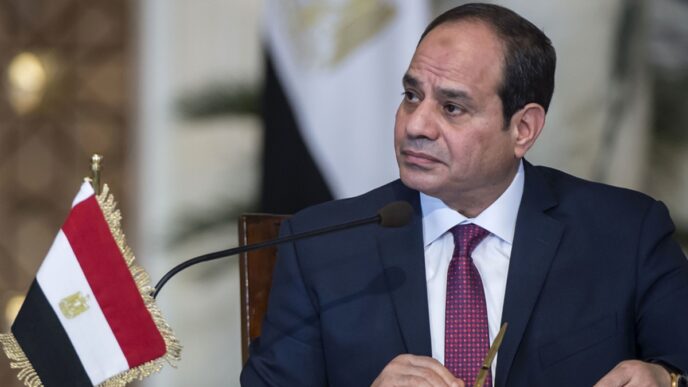
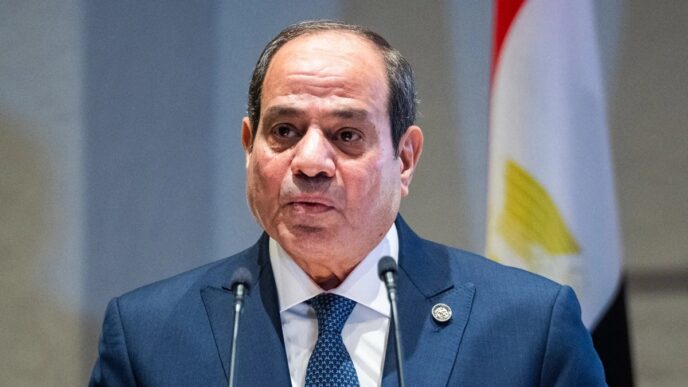
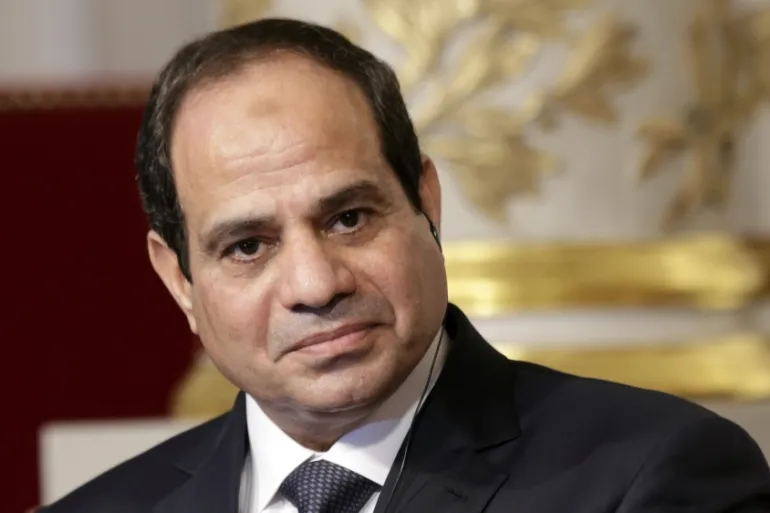
The railway is the latest in a series of large-scale developments pursued by President Abdel Fattah el-Sisi’s government over the past decade.
Among the most prominent of these is the $58 billion New Administrative Capital east of Cairo, which remains sparsely populated despite heavy investment.
Egypt signed a $4.5 billion agreement in 2021 with a consortium including German engineering firm Siemens to build the Green Line, the first phase of a planned three-line high-speed rail system.
When complete, the full network will stretch close to 2,000 kilometres and is projected to carry up to 1.5 million passengers a day.
The project comes as Egypt seeks to address long-standing problems with its existing rail network, which currently serves around one million people daily but suffers from ageing infrastructure and poor maintenance.
Official figures show that nearly 200 rail accidents were recorded last year.
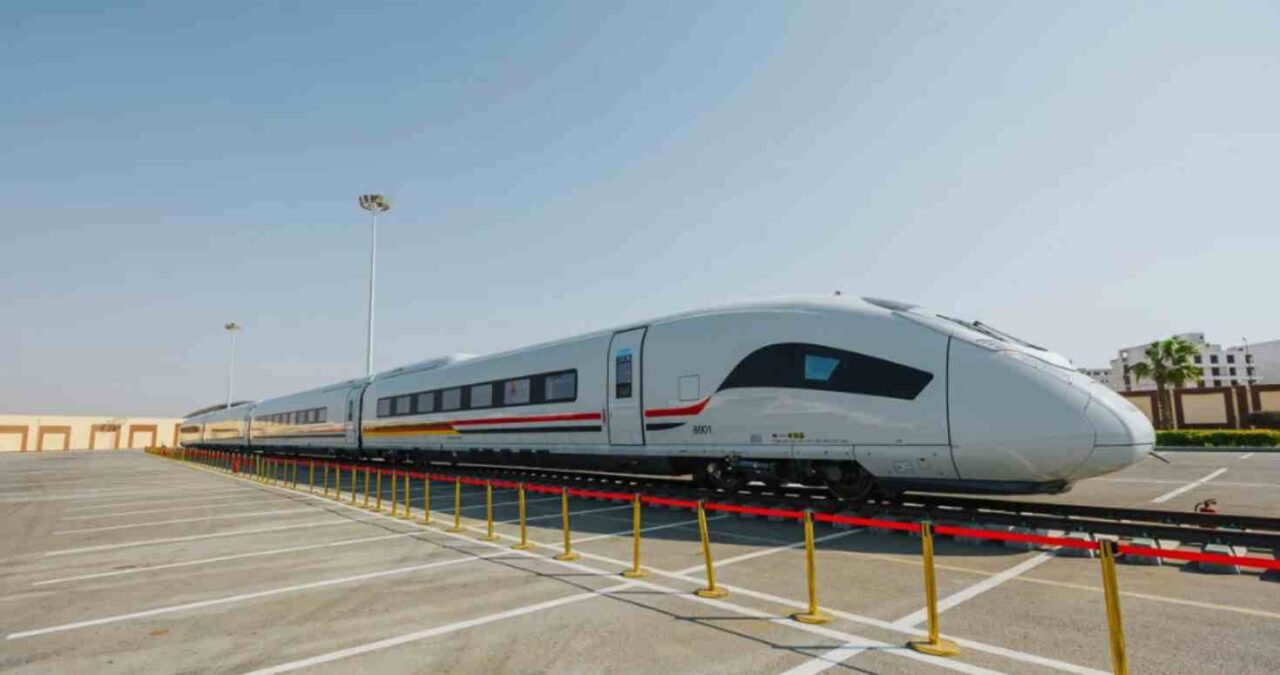
Running from Ain Sokhna on the Red Sea to Marsa Matrouh on the Mediterranean, the Green Line will cross northern Egypt and pass through two satellite cities of Cairo: the New Administrative Capital to the east and October 6 City to the west, which hosts the country’s only dry port.
According to Tarek Goueili, head of the National Authority for Tunnels, the revamped rail system is expected to move around 15 million tonnes of cargo annually, equivalent to roughly three per cent of last year’s traffic through the Suez Canal.
Beyond transport, officials and planners see the line as a catalyst for urban development.
Faical Chaabane of French engineering firm Systra, which is constructing the track, said the railway would help relieve congestion in Greater Cairo while encouraging the growth of new urban centres.
However, some workers on the ground remain sceptical. At a newly built desert station near the New Administrative Capital, one construction worker questioned whether the surrounding developments would ever become residential hubs, suggesting they may instead mainly serve tourists and freight.
With most of Egypt’s population concentrated along the Nile Valley and Delta, where space is increasingly constrained, the government hopes the high-speed rail network will help rebalance development across the country’s vast desert interior.
Following the Green Line, authorities plan to build the Blue Line along the Nile from Cairo to Aswan and the Red Line linking the Red Sea cities of Hurghada and Safaga with Luxor inland.