Trending
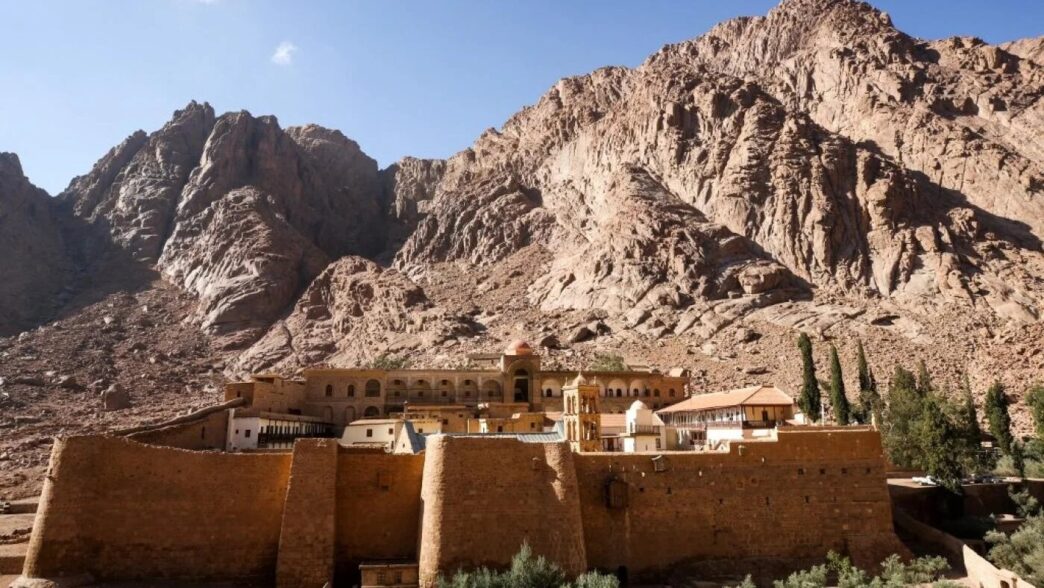
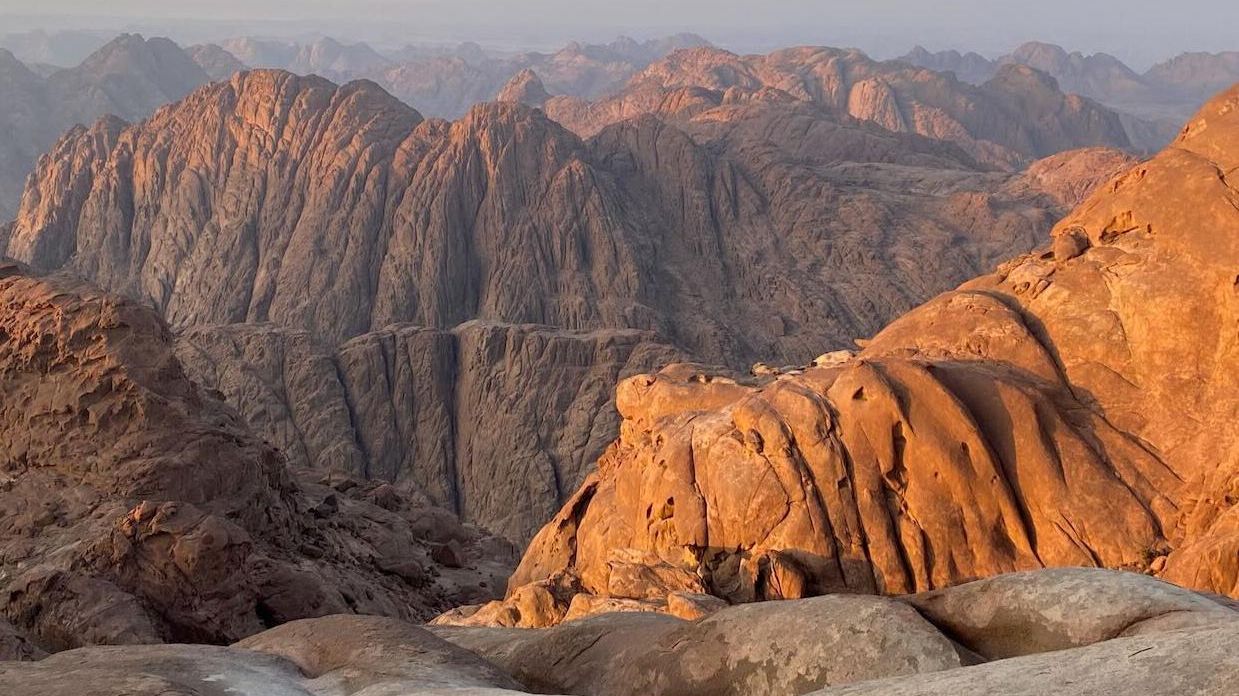
In the mountains of southern Sinai, near the biblical site where Moses is said to have spoken with God, the roar of bulldozers and construction machinery now drowns out the region’s natural serenity. Egypt’s ambitious “Great Transfiguration” tourism project has transformed the once-quiet town of Saint Catherine, drawing criticism from locals and heritage experts alike.
The $300-million initiative, designed to attract large-scale tourism, has already encroached on the surrounding nature reserve and the UNESCO World Heritage site. Saint Catherine is home to the world’s oldest functioning Christian monastery and has long been inhabited by the local Jabaliya community, whose members fear for their ancestral land.
“The Saint Catherine we knew is gone. The next generation will only know these buildings,” said a veteran hiking guide from the Jabaliya tribe, as a new five-star resort towered above and the beeps of reversing bulldozers mingled with the birdsong.
John Grainger, former manager of the EU’s Saint Catherine protectorate project, described the development as “the disfigurement and destruction” of the historic site. From above, the town is now dominated by bright lights, concrete, hotels, conference centres, and hundreds of housing units.
In July, World Heritage Watch urged UNESCO to place the area on its list of sites in danger. Last month, UNESCO elected Egypt’s former tourism and antiquities minister, Khaled El-Enany, as its head. During his tenure, Egypt oversaw both the Saint Catherine project and the demolition of large sections of Cairo’s historic City of the Dead cemetery, also a UNESCO site.
On Mount Sinai, two dozen monks of the Saint Catherine monastery continue daily rituals amid the upheaval. A May court ruling declared that the monastery sits on state-owned land, leaving the Greek Orthodox monks only “entitled to use” the property, prompting protests from Greece and Orthodox patriarchates. The monastery’s archbishop resigned in September after what was reported as an unprecedented mutiny.
The local Jabaliya guides, whose ancestors are said to descend from Roman soldiers guarding the monastery, have long assisted hundreds of thousands of visitors each year. While they have campaigned for better infrastructure and services, they now feel marginalised by rapid development that has also disturbed sacred sites and cemeteries.
In 2022, bulldozers destroyed much of the town’s centuries-old cemetery, forcing locals to exhume hundreds of bodies. “They just came one day without warning and destroyed our cemetery,” said the hiking guide. The site has since been turned into a car park.
While officials highlight the project’s economic benefits and claim the community was consulted, locals report that their concerns have been ignored. Rising living costs and the disruption of daily life have added to anxiety. “Maybe they’ll tell us to leave, that there’s no room for us anymore,” the guide said.
Tourism remains a potential source of income, but locals navigate life amid ongoing construction, steep prices, and uncertainty over compensation. UNESCO requested in 2023 that Egypt halt further development, conduct an environmental impact assessment, and draw up a conservation plan. Despite this, construction continued, with authorities claiming the project is 90 percent complete.
One local official, pointing towards the nearly finished five-star hotel near the monastery, joked: “These hotels are huge, costs astronomical. Are they even going to be full? That’s the real problem, but we can’t say anything.”