Trending
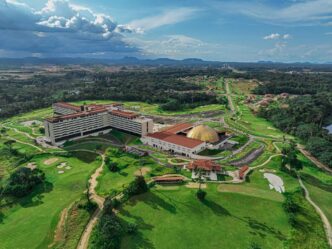
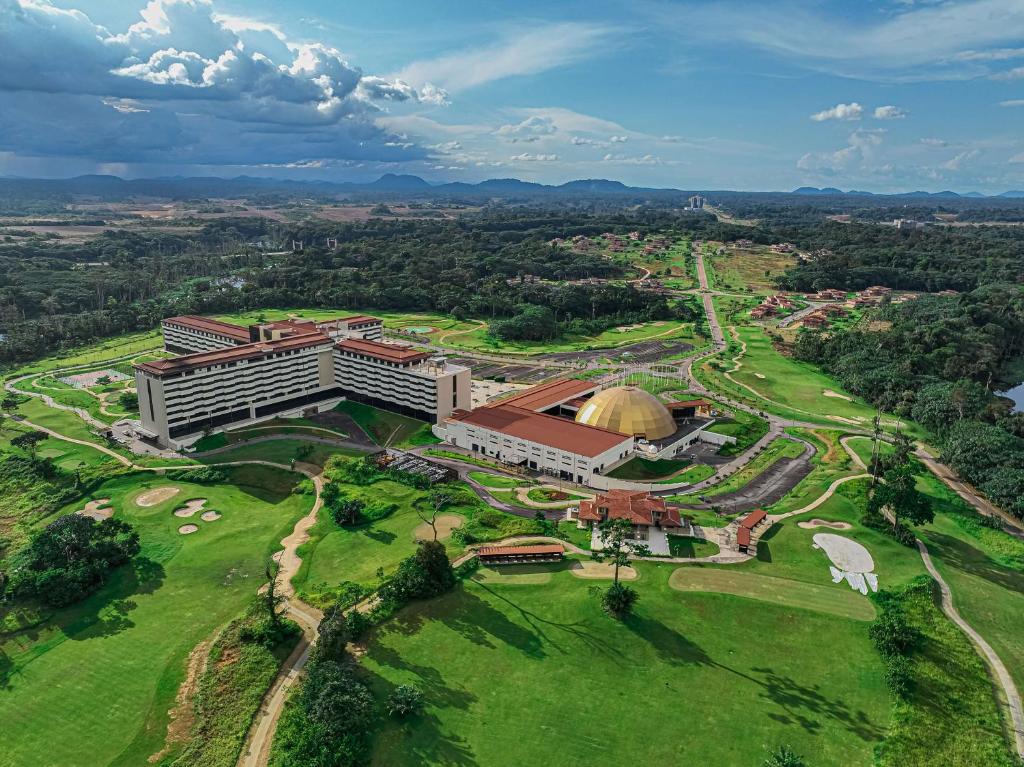
Equatorial Guinea has formally designated Ciudad de la Paz, in Djibloho province, as its new capital, marking a significant change in the country’s political and administrative landscape.
President Teodoro Obiang Nguema Mbasogo announced the decision on Friday, January 2, 2026, during a state ceremony in Djibloho attended by senior figures from the executive, legislature, and judiciary, including the heads of both chambers of parliament and the Chief Justice.
The move formalises a plan that has developed over nearly 20 years since Djibloho emerged as a strategic administrative zone.
Government officials said the decision reflects the country’s sovereign approach to territorial organisation and a deliberate shift away from colonial-era administrative arrangements.
In a national address, President Obiang said relocating the capital to the country’s geographical centre would enhance political stability, improve administrative efficiency, and support more balanced regional development.
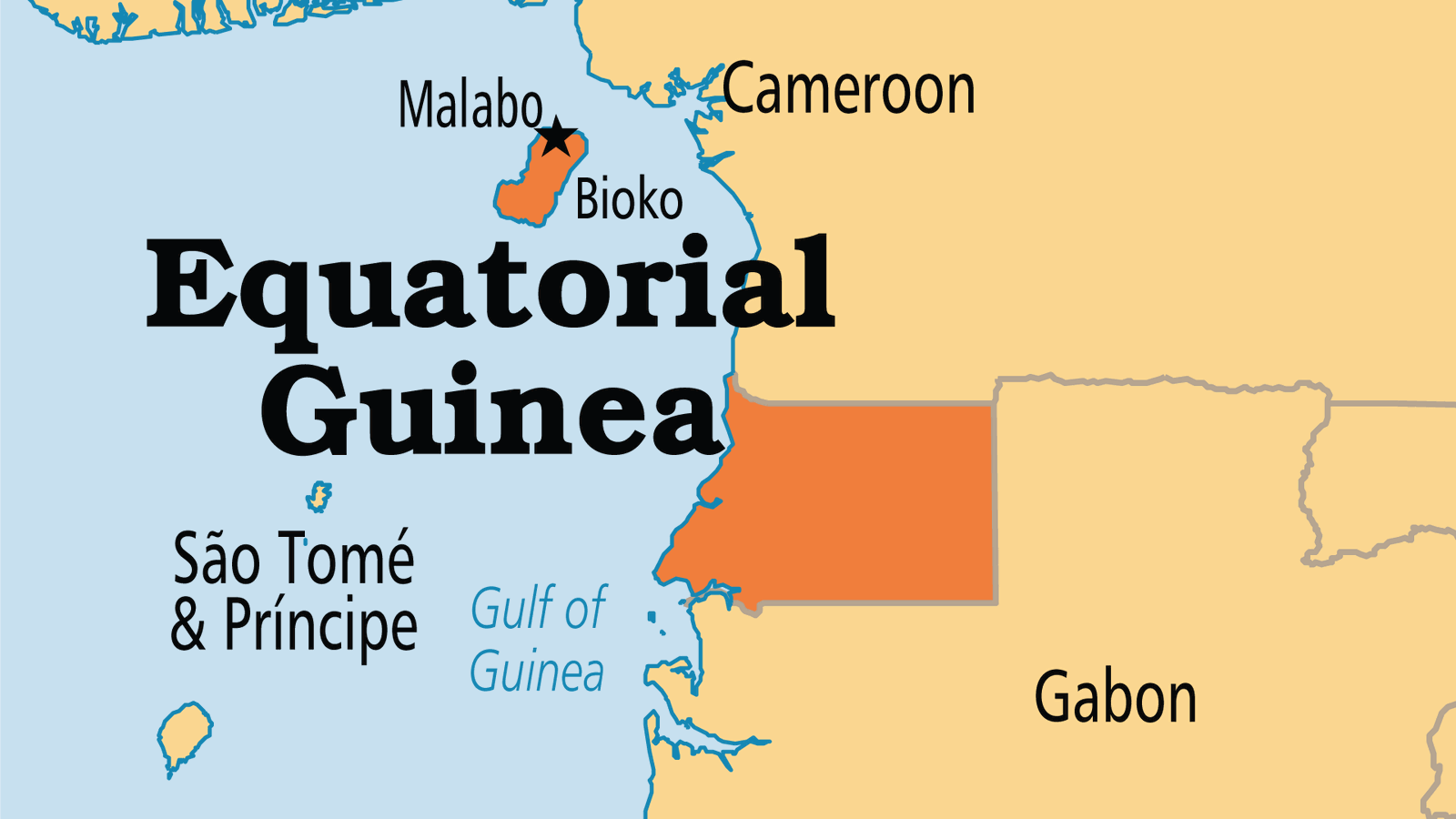
He added that the move would bring the government closer to the people, especially those in rural areas.
Vice President Teodoro Nguema Obiang Mangue described the decision as historic, saying the new capital would create jobs and maximise the use of Ciudad de la Paz’s modern infrastructure, which was built to accommodate state institutions, public services and related economic activities.
The government enacted the change through Decree-Law No. 1/2026, published in the Official State Gazette, granting Ciudad de la Paz constitutional status as the capital.
The law allows for a transition period of up to one year to relocate the presidency, state powers, constitutional bodies, and public institutions.
Malabo, which has served as the capital since independence 57 years ago, will retain its political and economic importance.
However, officials said the central location of Ciudad de la Paz offers strategic benefits for national unity, security, and long-term administrative reform, placing Equatorial Guinea among the few African states that have adopted purpose-built capitals as part of wider decentralisation efforts.