Trending
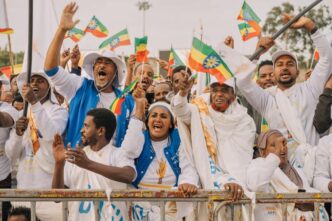
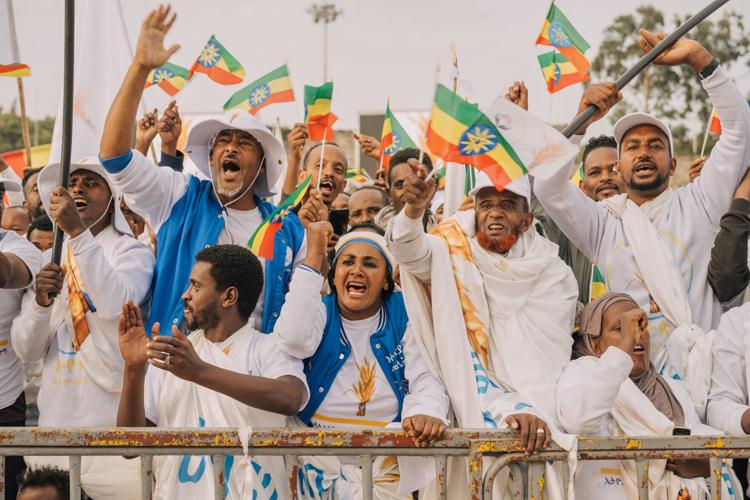
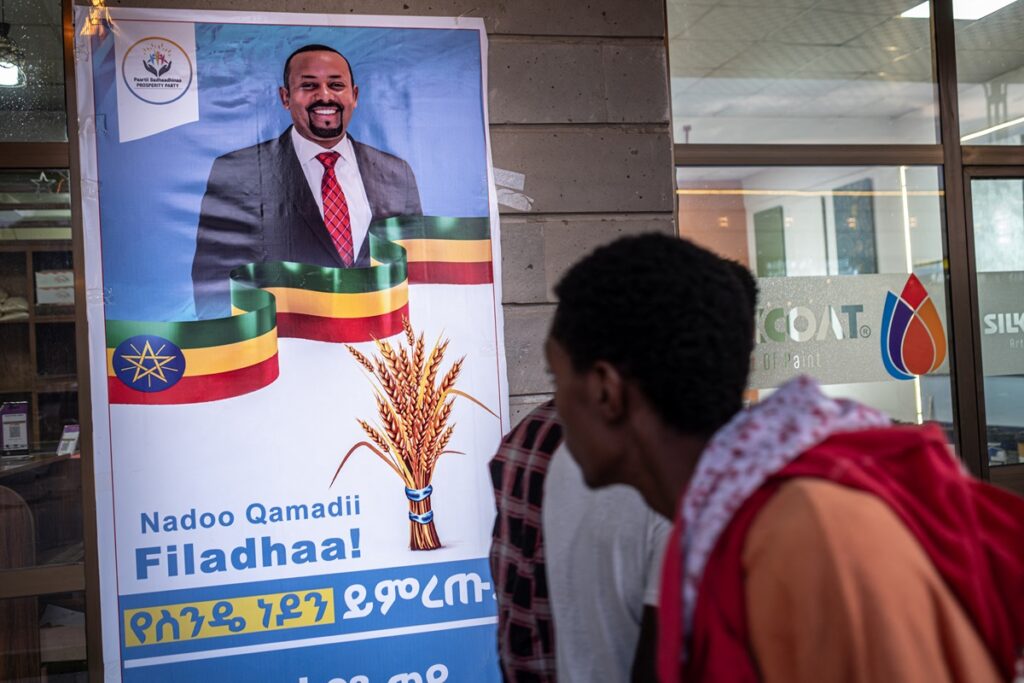
Millions of Ethiopians will cast their ballots on Monday in an election expected to hand Prime Minister Abiy Ahmed another five years in power, with a divided opposition struggling to challenge the ruling party’s dominance.
The Prosperity Party, led by Abiy, currently controls more than 500 seats in the House of Representatives and is forecast to retain its majority. Around 50 million voters are registered to elect both national representatives and local regional council members.
National reconciliation stands at the centre of this year’s vote, following deadly conflicts in Tigray, Oromia and Amhara regions. A second theme focuses on development, with the government promising to push forward major infrastructure projects.
Read More : Gunmen Kill Six in Plateau
Former Kenyan President Uhuru Kenyatta, who played a key role in brokering the Tigray peace deal, arrived Saturday to lead a 73-member African Union observer mission.
“Ours is to call for peaceful situation as Ethiopians are known for,” Kenyatta said, underscoring the election’s significance for a continent whose headquarters are in Addis Ababa.
For the second straight election, the northern Tigray region will not take part. The Tigray People’s Liberation Front has been outlawed, leaving the area without federal representation for six years.
The TPLF still runs the regional government and has threatened to walk away from the 2022 peace accord that ended a brutal war claiming hundreds of thousands of lives. The federal government accuses the party of angling for another conflict.
Abiy won the Nobel Peace Prize in 2019 for ending Ethiopia’s long-standing standoff with Eritrea. But relations have since soured, largely over Ethiopia’s push for sea access. Analysts worry the standoff could spill over and pull Tigray into a proxy war.
Political analyst Bayu Samuel said the election could be fairer than past votes thanks to “technological advancements in the electoral process” and greater public awareness.
The main opposition Ezema party, through spokesperson Eyoel Solomon, said it aims to move the country away from ethnic-based politics.
Campaigning has been unusually low-key, with few rallies or door-to-door canvassing. A heavy military presence has been visible across the capital in recent days. Monday has been declared a public holiday to encourage voting.