Trending
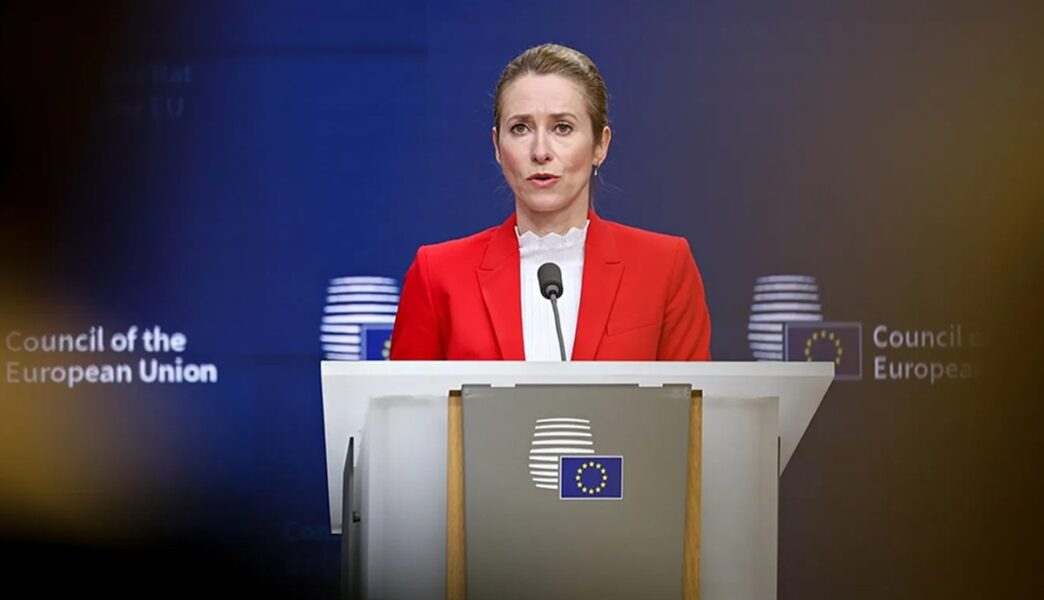
European Union foreign ministers are expected on Thursday to approve putting Iran’s Revolutionary Guards Corps (IRGC) on the bloc’s “terrorist list”, following a deadly crackdown on nationwide protests, according to the bloc’s top diplomat.
EU foreign policy chief Kaja Kallas said the move was justified by the conduct of the Guards, arguing that groups engaging in terrorist acts should be treated accordingly.
“If you act as a terrorist, you should also be treated as terrorists.”
She said the decision would place the IRGC in the same category as extremist organisations such as al-Qaeda and the Islamic State group.
The largely symbolic designation is intended to send a strong political signal to Tehran after reports that thousands of people were killed during protests that swept across Iran.
Alongside the listing, the 27-member bloc is expected to approve fresh sanctions, including visa bans and asset freezes targeting 21 Iranian officials and state-linked entities. The measures are likely to include Iran’s interior minister.
Iranian authorities have acknowledged that more than 3,000 people died during the unrest, but insist that most of those killed were members of the security forces or civilians caught up in violence they blame on demostrators.
Human rights organisations strongly dispute that account, saying the death toll is significantly higher and could run into tens of thousands. They accuse security forces, including the IRGC, of using live ammunition against demonstrators.
Kallas said diplomatic engagement with Tehran was expected to continue despite the designation, signalling that communication channels would remain open.
Momentum for the move gathered after France confirmed its support on Wednesday, following a similar shift in position by Italy.
Paris had previously been seen as hesitant, citing concerns about the safety of European detainees in Iran and the importance of maintaining diplomatic ties.
French Foreign Minister Jean-Noël Barrot said the decision was aimed at ensuring accountability for abuses committed during the crackdown.
He also urged Iranian authorities to release detainees held in large numbers, halt executions linked to the protests, lift internet restrictions and allow Iranians greater freedom to determine their political future.
“There can be no impunity for the crimes committed.”
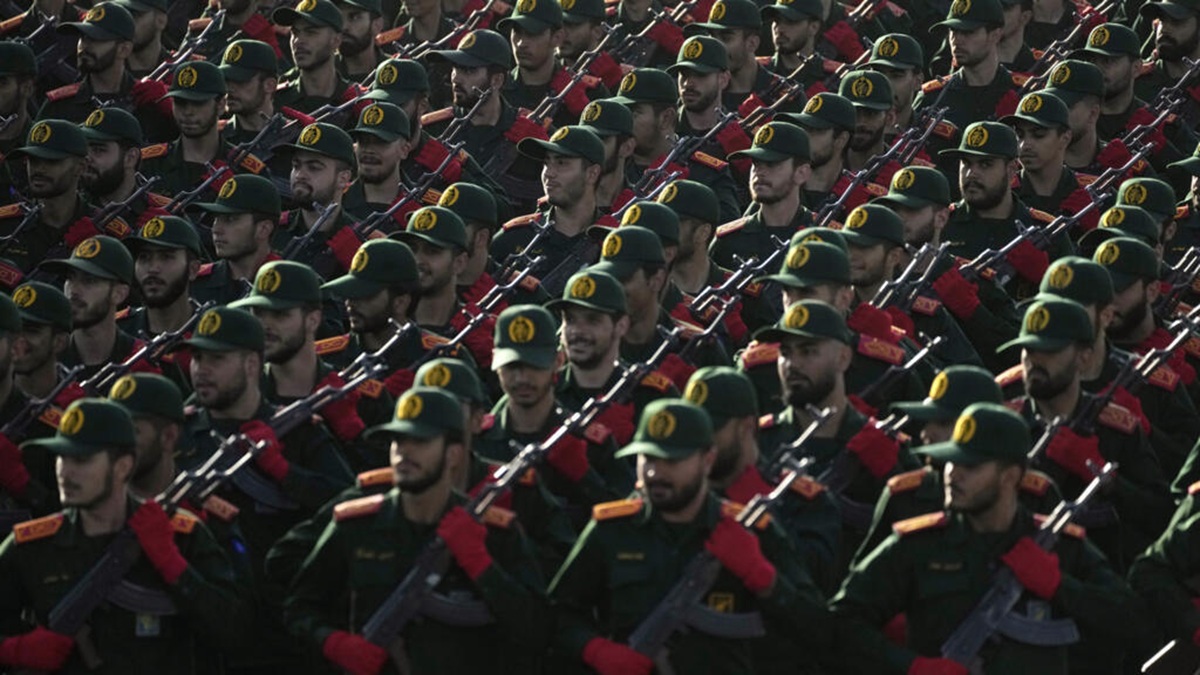
The IRGC, which was formed after Iran’s 1979 Islamic revolution, functions as the ideological backbone of the country’s military and plays a central role in protecting the clerical establishment. It also has extensive economic interests, with stakes in major industries across Iran.
The EU has already imposed sanctions on hundreds of Iranian officials and entities over earlier protest crackdowns and over Tehran’s support for Russia’s invasion of Ukraine.
Senior IRGC commanders and the organisation itself are already subject to EU sanctions, meaning the terrorist designation is expected to have limited immediate practical impact, but significant political weight.