Trending
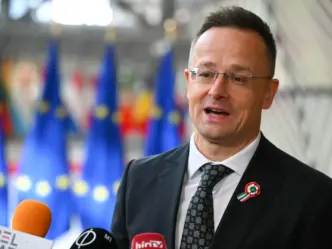
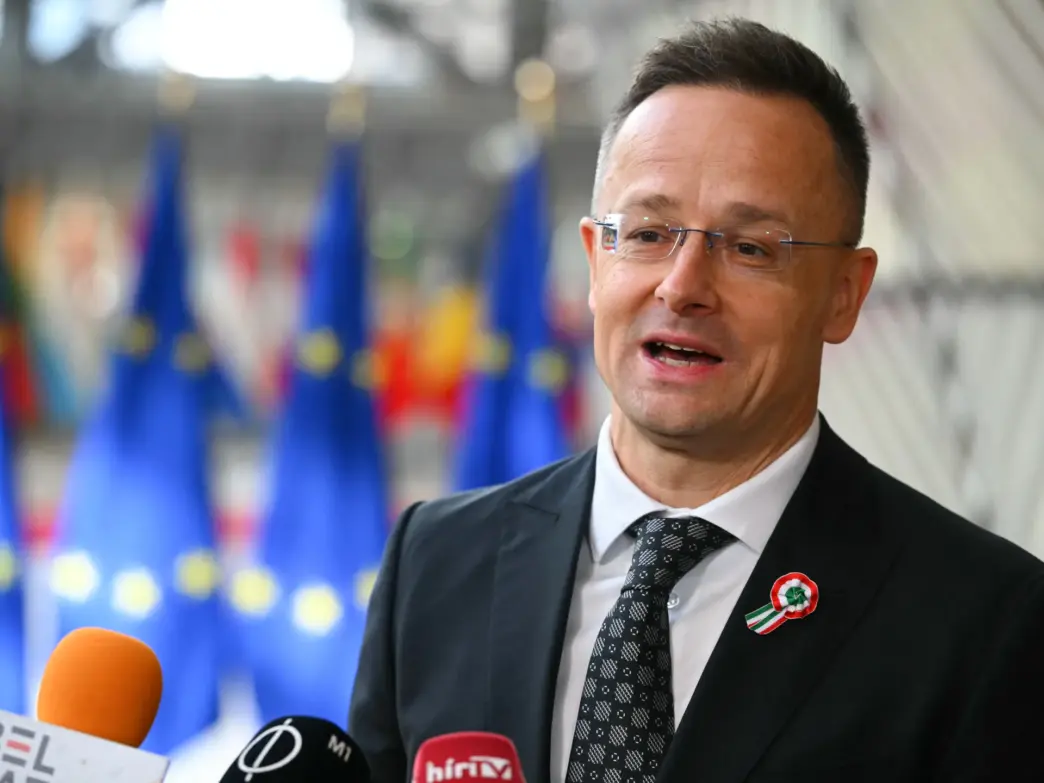
The European Commission has expressed “grave concern” following reports that Hungarian Foreign Minister Péter Szijjártó allegedly shared sensitive EU negotiation details with the Kremlin.
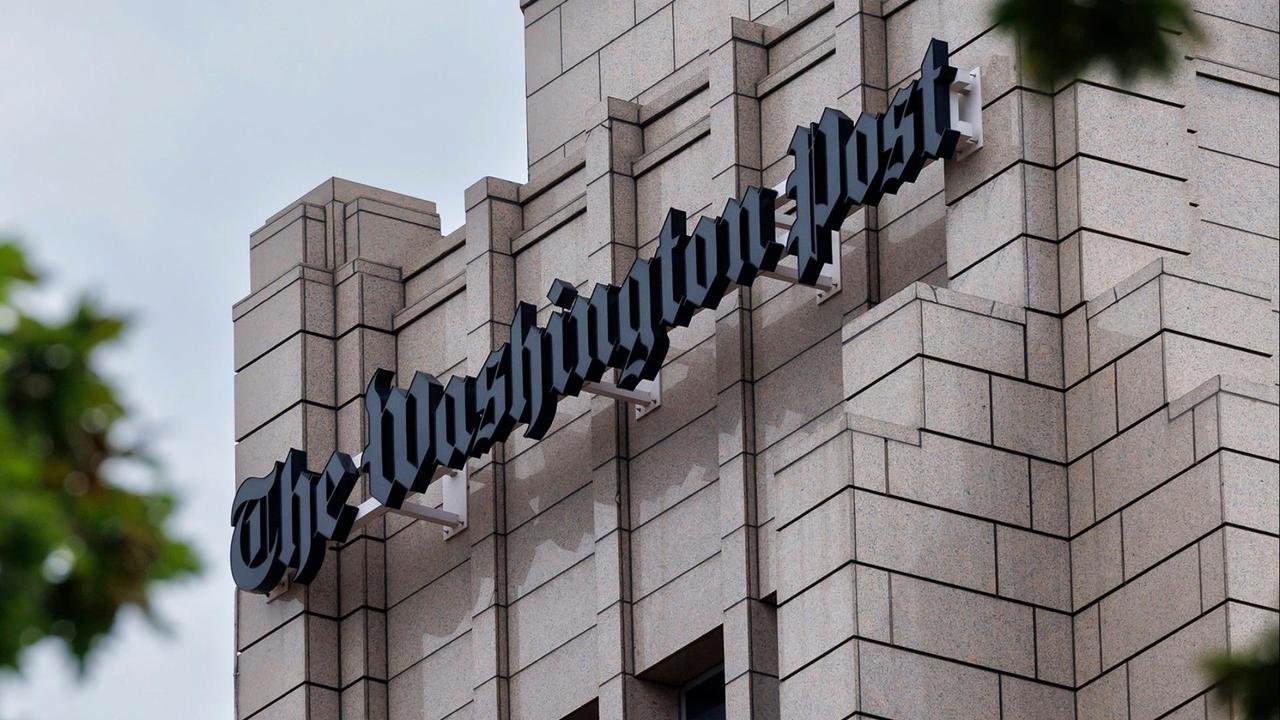
According to a Washington Post investigation, Szijjártó frequently contacted his Russian counterpart, Sergey Lavrov, during breaks in confidential EU meetings to provide “live reports” on internal discussions and strategy.
Brussels has formally demanded a clarification from Budapest, emphasising that the fundamental relationship of trust between member states is being severely undermined by these allegations.
In response, Hungarian Prime Minister Viktor Orbán and Szijjártó have dismissed the report as “fake news” and “senseless conspiracy theories.”
Rather than addressing the specific claims of information sharing, Orbán has pivoted the narrative toward state sovereignty, accusing foreign intelligence services of wiretapping his cabinet—though the original report made no mention of electronic surveillance.
Despite these denials, several EU leaders, including Polish Prime Minister Donald Tusk, noted that the revelations were “not a surprise,” citing long-standing suspicions regarding Hungary’s close ties to Moscow.
These allegations surface at a critical juncture for the Orbán administration, coming just weeks before the national election on April 12, 2026.
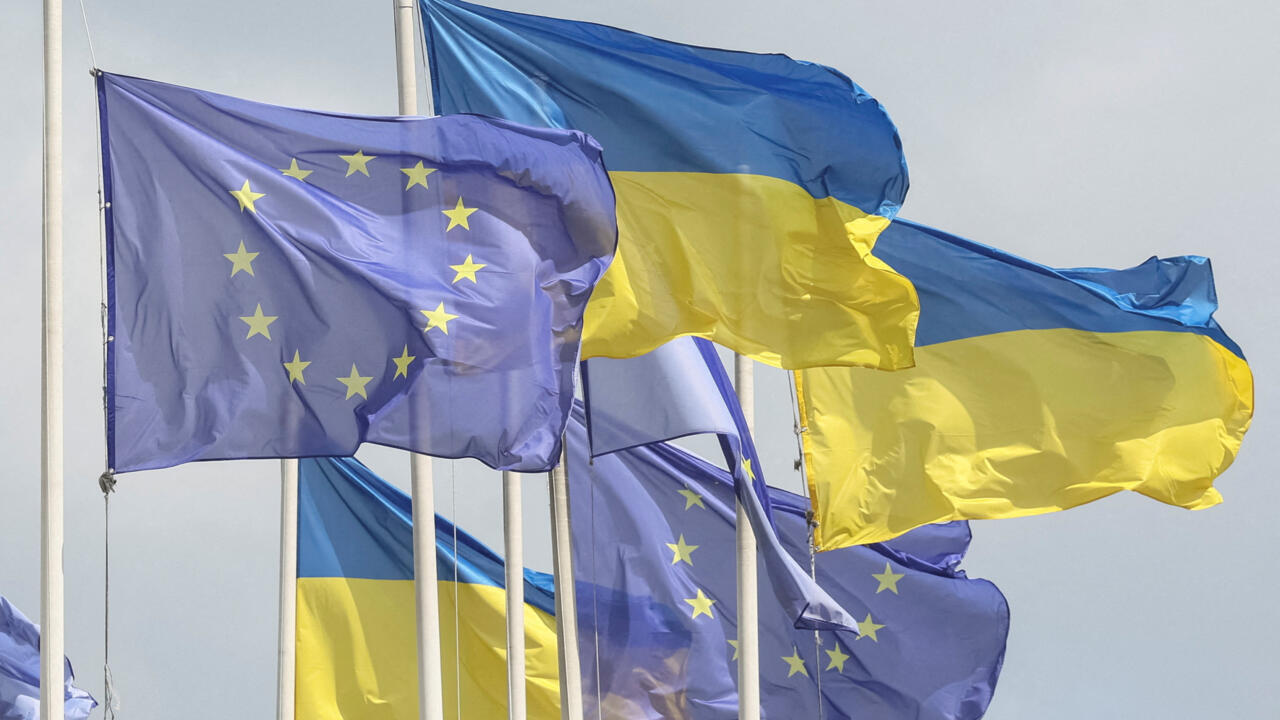
Domestic opposition leaders have branded the alleged leaks as “treason,” while the EU continues to express frustration over Hungary’s persistent blocking of a 90-billion-euro loan to Ukraine.
With Orbán currently trailing in several polls for the first time in over a decade, many European officials view the upcoming vote as a potential turning point for Hungary’s increasingly strained relationship with the bloc.