Trending
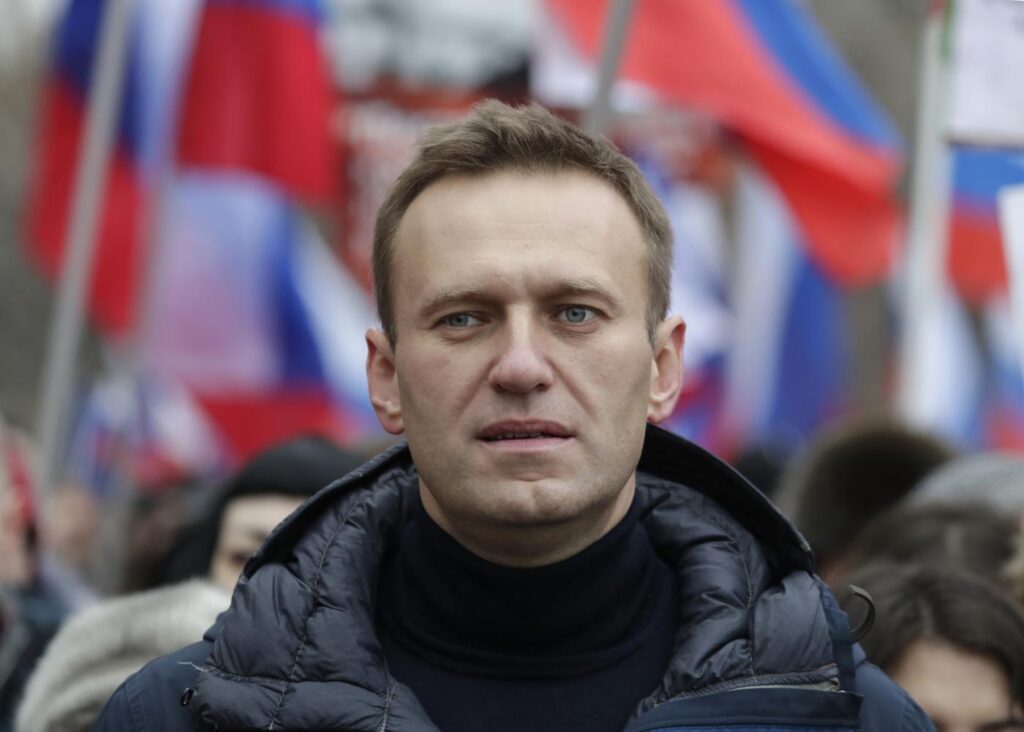
A coalition of five European nations, including the United Kingdom, France, and Germany, has formally accused the Russian state of murdering opposition leader Alexei Navalny using a rare and lethal toxin.
During the Munich Security Conference on Saturday, the group released a joint statement revealing that laboratory analyses of biological samples found traces of epibatidine—a potent substance derived from South American dart frogs—within Navalny’s system.
The findings directly contradict the Kremlin’s official narrative that the 47-year-old died of natural causes in an Arctic prison colony on February 16, 2024.
The investigation, which also included Sweden and the Netherlands, concluded that Russia was the “prime suspect” due to its total control over the environment where Navalny was held.
The coalition argued that the Russian state alone possessed the means, motive, and opportunity to administer such a specialised poison to a high-security prisoner.
In response to these findings, the nations have reported Russia to the Organisation for the Prohibition of Chemical Weapons (OPCW), accusing Moscow of maintaining a clandestine biological weapons programme in violation of international law.
For Navalny’s widow, Yulia Navalnaya, the report offers “science-proven” validation of her long-held claims.
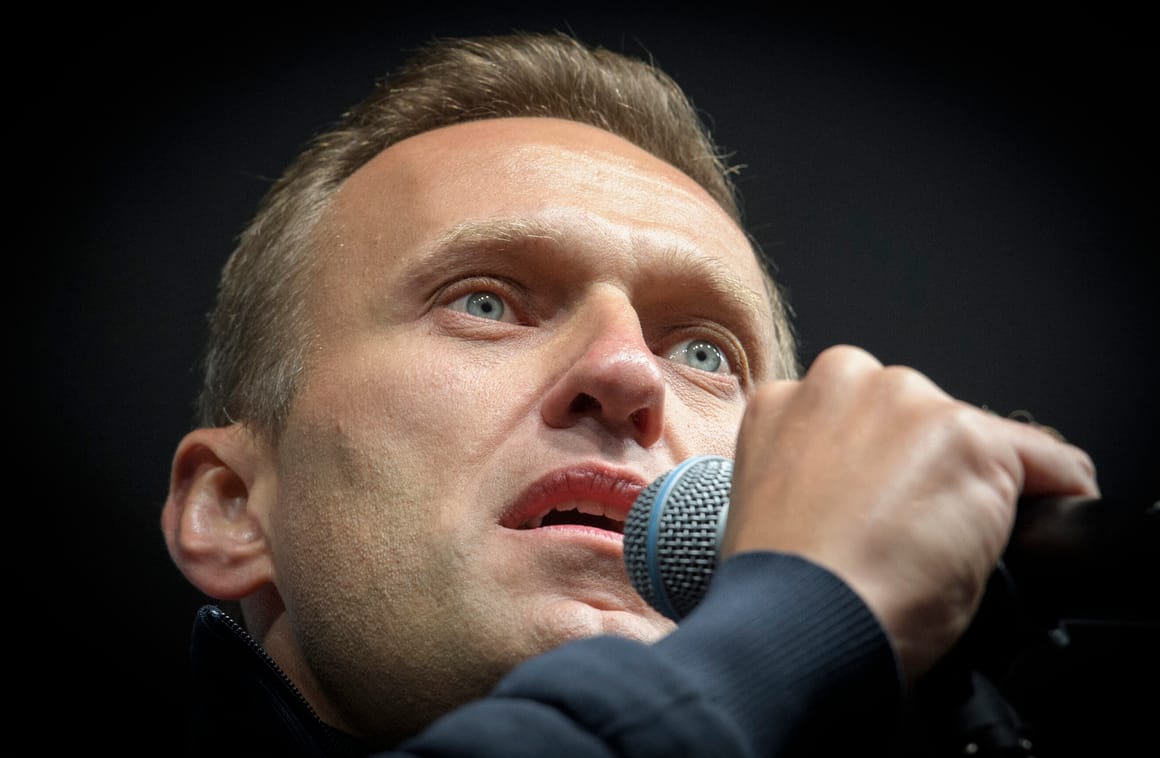
Speaking on the sidelines of the conference, she noted that while she was always certain of the Kremlin’s involvement, the chemical evidence transformed her words into objective facts.
British Foreign Secretary Yvette Cooper echoed this sentiment, describing the poisoning as a “barbaric plot” intended to silence the most charismatic critic of Vladimir Putin’s administration.
The fallout from this report has sparked a diplomatic firestorm, with French Foreign Minister Jean-Noel Barrot suggesting that the use of such a toxin indicates a willingness by Putin to deploy biological weapons against his own people.
Navalny had a history of surviving state-sponsored attacks, most notably a 2020 attempt on his life using the Soviet-era nerve agent Novichok.
Despite the Kremlin’s persistent denials, the international community is now facing renewed pressure to impose stiffer consequences for what these five nations term a flagrant breach of the Chemical Weapons Convention.