Trending

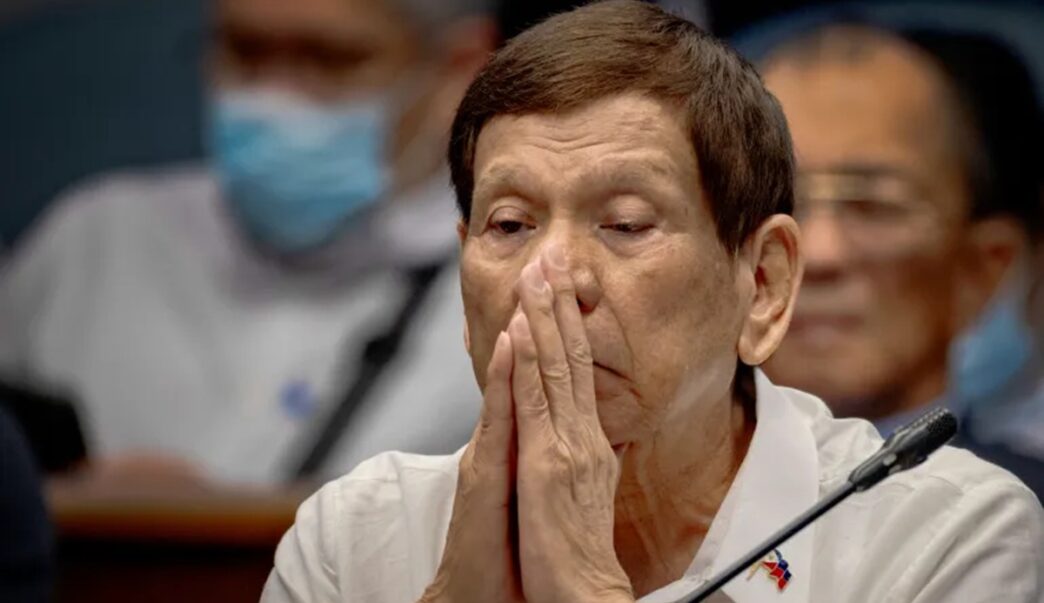
Former Philippine President Rodrigo Duterte will appear at the International Criminal Court (ICC) for a pre-trial hearing on February 23, after judges ruled him fit to participate despite arguments from his defence that the 80-year-old is unwell.
The hearing, known as a “confirmation of charges” proceeding, will determine whether prosecutors’ allegations are sufficient to proceed to trial.
The ICC said it had considered medical assessments by independent experts and concluded that Duterte is capable of effectively exercising his procedural rights. The court added that he is therefore fit to take part in the pre-trial proceedings.
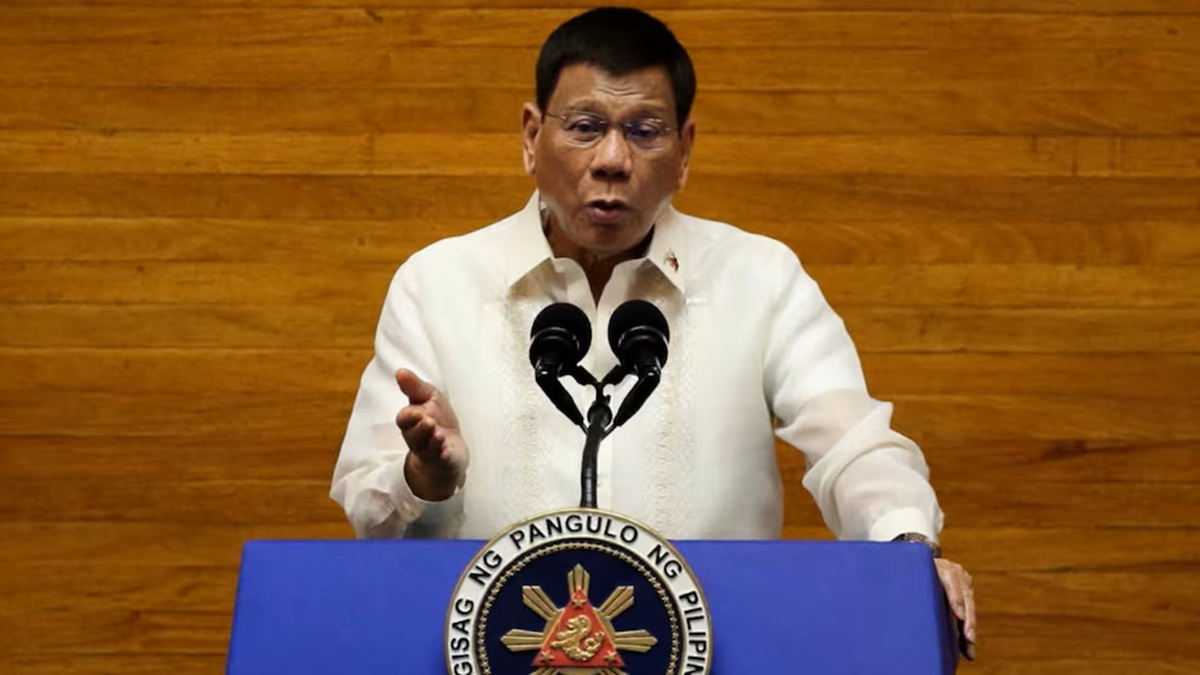
Duterte faces three counts of crimes against humanity over his alleged involvement in at least 76 murders linked to his “war on drugs.” Prosecutors allege that 19 murders occurred while Duterte was mayor of Davao City between 2013 and 2016, 14 so-called “high value target” killings happened during his presidency in 2016 and 2017, and 43 murders were carried out during operations targeting lower-level suspected drug users or pushers between 2016 and 2018.
Duterte has been held at the ICC’s detention unit in Scheveningen Prison in the Netherlands since his arrest in Manila on March 11. He previously appeared at hearings via video link, appearing frail and speaking little.
His defence argued that Duterte’s memory is impaired to the point that he cannot retain information for more than a short period, making it impossible for him to follow proceedings or instruct his lawyers effectively. However, the judges were not persuaded by these claims.
Duterte’s lawyer, Nicholas Kaufman, told AFP that the defence intends to appeal, saying they were denied due process, including the opportunity to present their own medical evidence or question the contradictory findings of the judges’ selected medical panel.