Trending
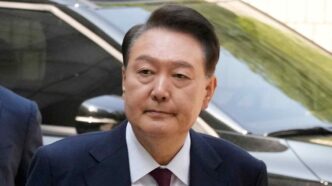
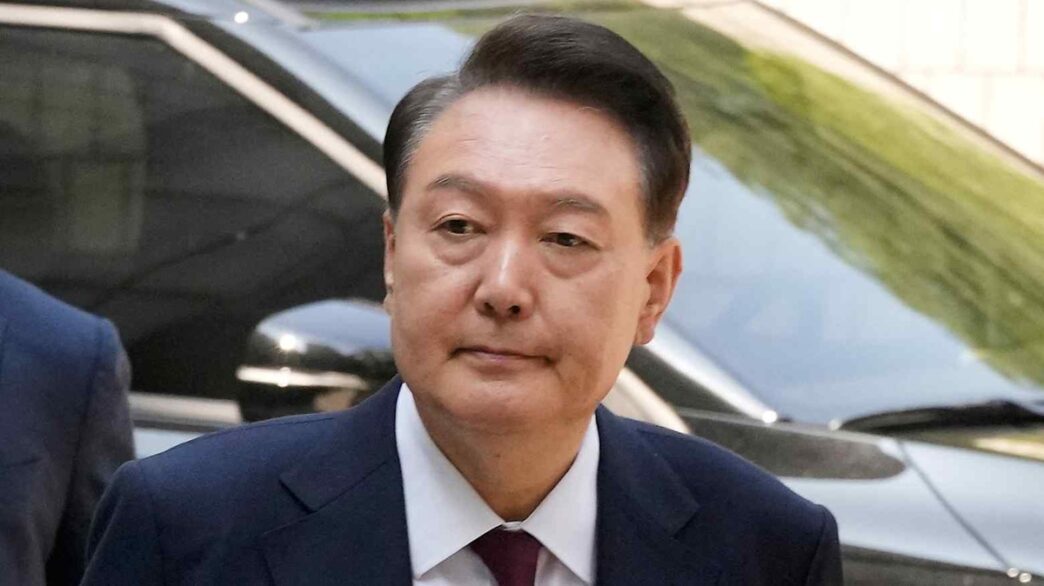
A court in South Korea has sentenced former president Yoon Suk Yeol to life imprisonment after convicting him of leading an insurrection linked to his 2024 declaration of martial law.
Delivering the verdict on Thursday at the Seoul Central District Court, presiding judge Ji Gwi-yeon ruled that Yoon’s actions were aimed at crippling the National Assembly and undermining constitutional order.
The court held that troops were deployed to the legislature to silence political opponents who had blocked his policy agenda.
The judge said the martial law declaration imposed high social and political costs on the country and noted that there was little evidence the former leader had shown remorse. On that basis, the court handed him a life sentence.
“The court finds that the intention was to paralyse the assembly for a considerable period,” Ji told the Seoul Central District Court.
“The declaration of martial law resulted in enormous social costs, and it is difficult to find any indication that the defendant has expressed remorse for that.
“We sentence Yoon to life imprisonment.”
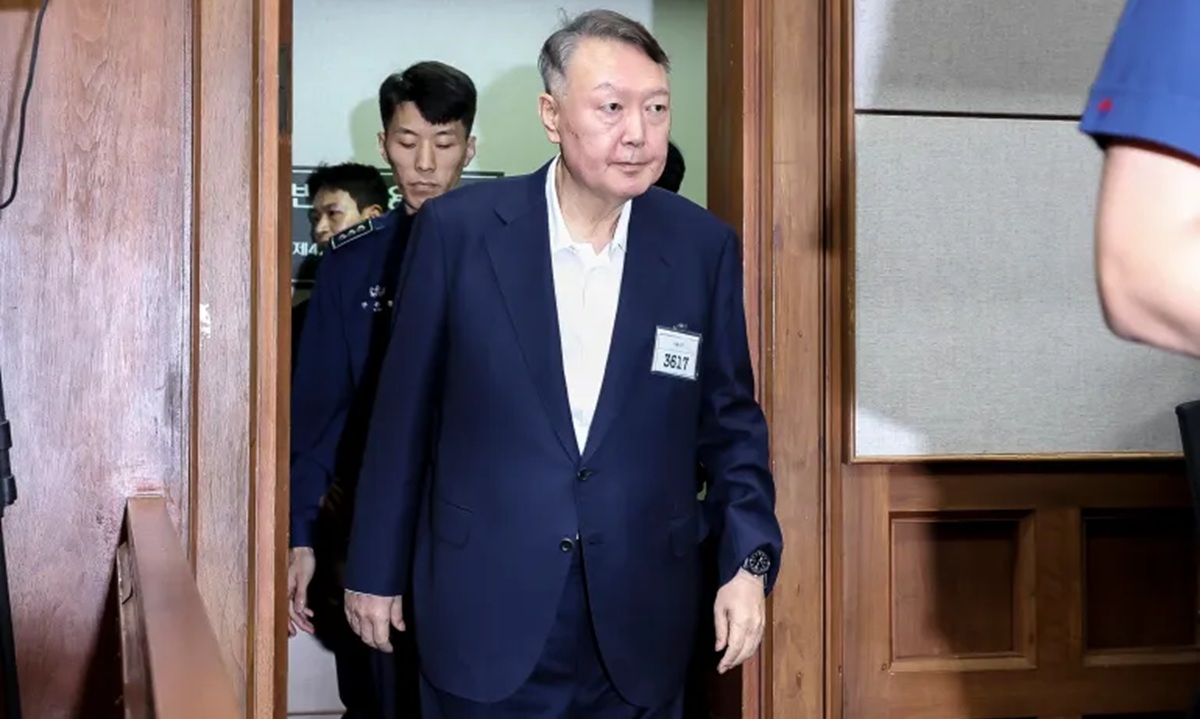
Yoon, 65, a conservative leader, stunned the nation on December 3, 2024, when he announced martial law during a late-night televised address.
He justified the move as necessary to eliminate what he described as anti-state elements within the National Assembly, citing unspecified security threats.
Lawmakers swiftly convened, barricading the assembly building to prevent armed troops from entering, and voted to overturn the order within six hours.
The move sparked mass protests, rattled financial markets, and raised concerns among allies, including the United States.
Critics said it revived painful memories of the military coups that marked South Korea’s political turbulence between the 1960s and 1980s.
Following the crisis, Yoon was impeached, arrested and charged with multiple offences, including insurrection and obstruction of justice.
Prosecutors argued during hearings that his actions were driven by a desire to consolidate power and pursue long-term rule, and they urged the court to impose the death penalty, the harshest punishment available under South Korean law for insurrection.
Although capital punishment remains on the books, South Korea has maintained an unofficial moratorium on executions since 1997, meaning a death sentence would effectively translate to life imprisonment.
Yoon has consistently denied wrongdoing, maintaining that his decision was intended to protect constitutional order and counter what he called an opposition-led legislative dictatorship.
Former defence minister Kim Yong-hyun was also convicted for his role in the episode and sentenced to 30 years in prison. Several other senior officials are facing lengthy jail terms in related cases.
Outside the courthouse, thousands of Yoon’s supporters gathered ahead of the ruling, waving placards and chanting in his defence. A heavy police presence was deployed to prevent unrest as a prison bus believed to be carrying the former president entered the court complex.
In a related development, Yoon’s wife, Kim Keon Hee, had earlier been sentenced to 20 months in prison on separate bribery charges dating back to her time as first lady.