Trending

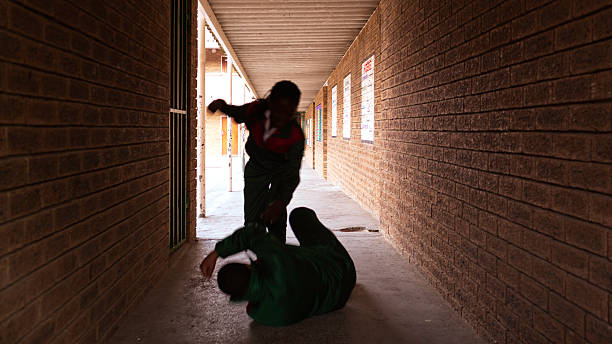
Yomi Fawehinmi, a human resources and change management professional, has urged the government and other relevant stakeholders to take critical steps and interventions to curb bullying in Nigeria.
Bullying is prevalent across Nigeria. It is also common on social media platforms. The Nigerian Ministry of Education’s National Policy on Anti-Bullying in Nigerian Schools, launched in 2025, defined bullying as aggressive behaviour intended to harm, intimidate, or dominate another person.
The policy identifies various forms, including verbal bullying such as name-calling, mocking, blackmailing and taunting; physical bullying such as hitting and forcing others to act against their will; social or relational bullying involving public humiliation and isolation; cyberbullying through harmful online posts; and non-physical intimidation through gestures, stares, and manipulation.
Fawehinmi, who spoke on News Central’s programme, A Place At The Table, on Thursday, said intervention is necessary to address the bullying prevalent in Nigerian schools.

” I think we need intervention at a minimum of four levels. There is an intervention we need at the individual level. The people who are most likely to be bullied should have some additional support and protection,” said Fawehinmi.
“People who are most likely to be bu|l!ed should have some additional support and protection… People who have a tendency to bu||y should also have some restraints or some consequence.”@yomitheprof says power imbalances enable bu||ying, urging support and consequences. pic.twitter.com/TZM0Jd7yQh
— News Central TV (@NewsCentralTV) April 9, 2026
‘The people who have a tendency to bully should also have some restraints or some consequence. We need intervention on an individual level. We also need intervention on the classroom and school level, where there are no unguarded spaces, where we don’t reward bullies, and where the culture does not promote bullying.”
He also called for an intervention at the community level. According to him, people who witness or experience bullying in their communities tend to portray that habit in their schools.
“The society has programmed these children to see how to abuse power by bullying people, because they have seen it on the street. They have seen it manifested by the government.
They have seen it manifested by enablers of traditional institutions. And at the end of the day, they carry it out and we are shocked. If we as a society don’t promote kindness, we will be hypocrites, believing that young people will suddenly become kind people,” he added.