Trending
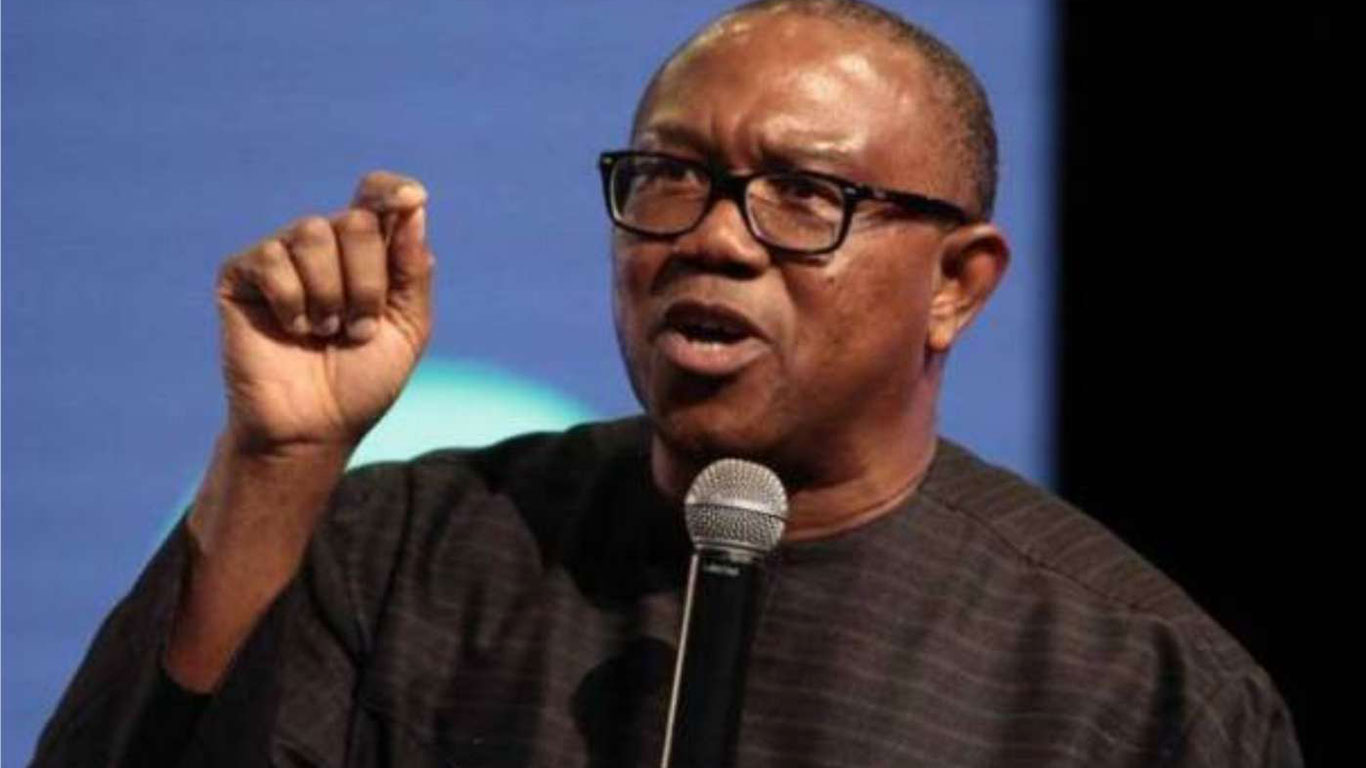
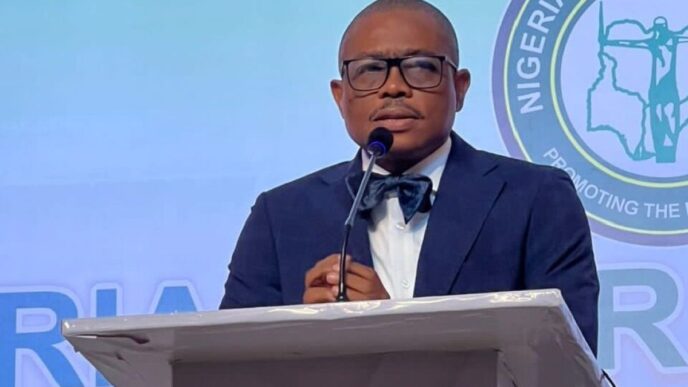
Former presidential candidate Peter Obi has said the alleged $5 million that Farouk Ahmed, former chief executive officer of the Nigerian Midstream and Downstream Petroleum Regulatory Authority (NMDPRA), is accused of spending on the secondary school education of his four children in Switzerland could have a significant impact if invested in Nigeria’s public education system.
Aliko Dangote, president of the Dangote Group, made the initial accusation. He petitioned the Independent Corrupt Practices and Other Related Offences Commission (ICPC) against Farouk, accusing him of financial impropriety and corruption. He also demanded that Farouk be arrested, investigated, and prosecuted for allegedly living well above his legal salary as a public official.
In a post shared on X, Obi said the alleged $5 million diverted public funds, at current exchange rates, is estimated at about ₦7.5 billion. He stressed that the issue was not about denying any parent the right to educate their children but about “scale, context, and moral responsibility,” especially when such spending is attributed to a public official in a country with extreme inequality.
Nigeria has one of the highest numbers of out-of-school children in the world. According to UNICEF, about 10.2 million primary-age and 8.1 million secondary-age children are currently out of school, bringing the total to more than 18 million. Other estimates place the figure closer to 20 million.
Obi said this reality makes the allegation difficult to ignore and “inevitably raises questions of proportionality, public trust, and moral responsibility.”
He outlined what ₦7.5 billion could fund domestically, estimating that the amount could build 25 fully equipped school blocks, each with six classrooms capable of educating 240 students. Such an investment, he said, would provide schooling for roughly 6,000 children each year and create employment for about 450 teachers.
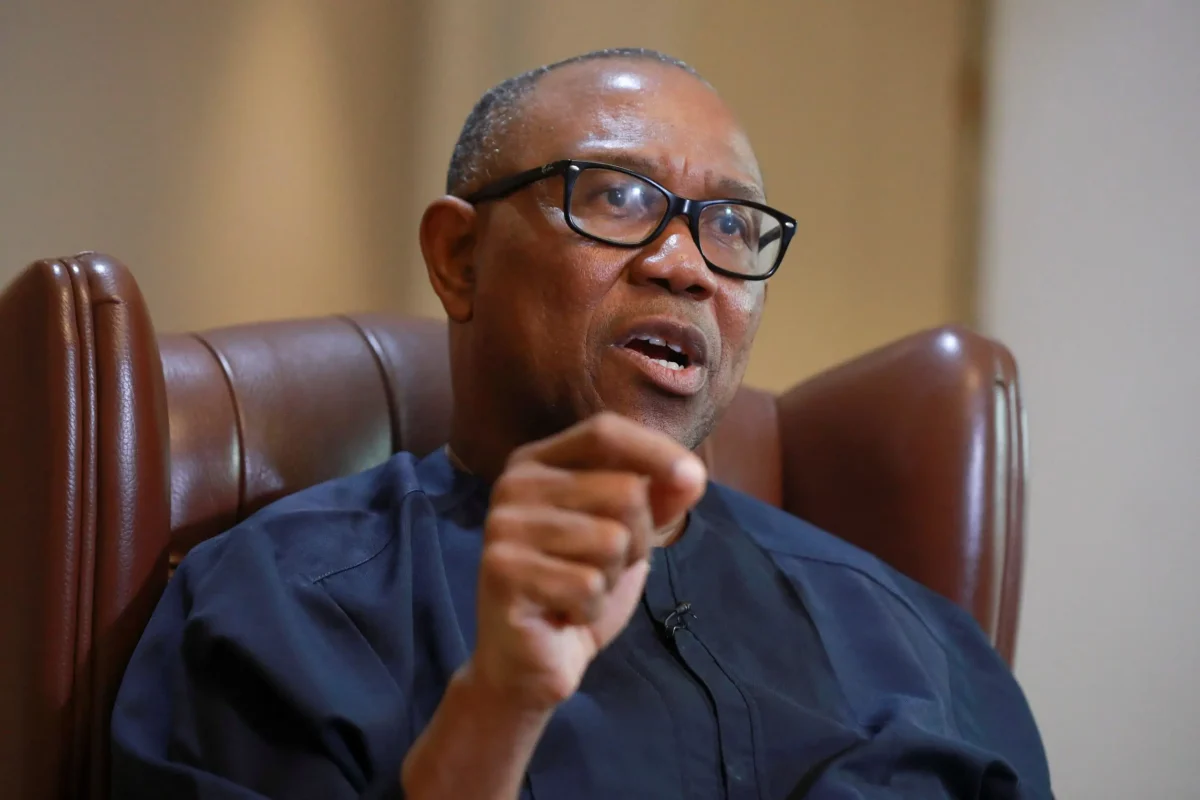
The former governor of Anambra added that after construction and initial salary costs, the remaining funds could be invested in Nigerian government bonds to generate annual returns sufficient to cover teacher salaries, maintenance, and learning materials, making the system self-sustaining over time.
“Ironically, Nigerian children educated abroad would benefit even more if those who remain at home were educated to comparable standards to work for them and with them when they return. An educated society produces better governance, safer communities, stronger institutions, and a more dignified nation. It is a win-win,” Obi stated.
“The Larger Question: Nigeria has a population of about 240 million people. In a system described by former British Prime Minister David Cameron as “fantastically corrupt,” and by the U.S. President Donald Trump as “a now disgraced country,” it is reasonable to assume that there are at least 2,400 individuals – just 0.0001% of the population – who, like the Farouks, have access to extraordinary resources largely derived from public office.”
He argued that if just 2,400 individuals each committed $5 million to education, Nigeria could build about 60,000 school blocks, educate roughly 14.4 million students annually, and employ more than one million teachers.
According to him, such an effort would not be a one-off intervention but a national, self-sustaining education ecosystem, capable of virtually eliminating Nigeria’s out-of-school children crisis while creating massive employment and stabilising communities across the country.
“Under such a scenario, Nigeria would no longer be debating access to education; the debate would have shifted to quality, innovation, and excellence.
“The Farouk controversy, therefore, is not merely about one man. It is a mirror held up to our collective conscience – asking whether privilege will continue to coexist comfortably with abandonment, or whether responsibility will finally rise to meet opportunity.”