Trending
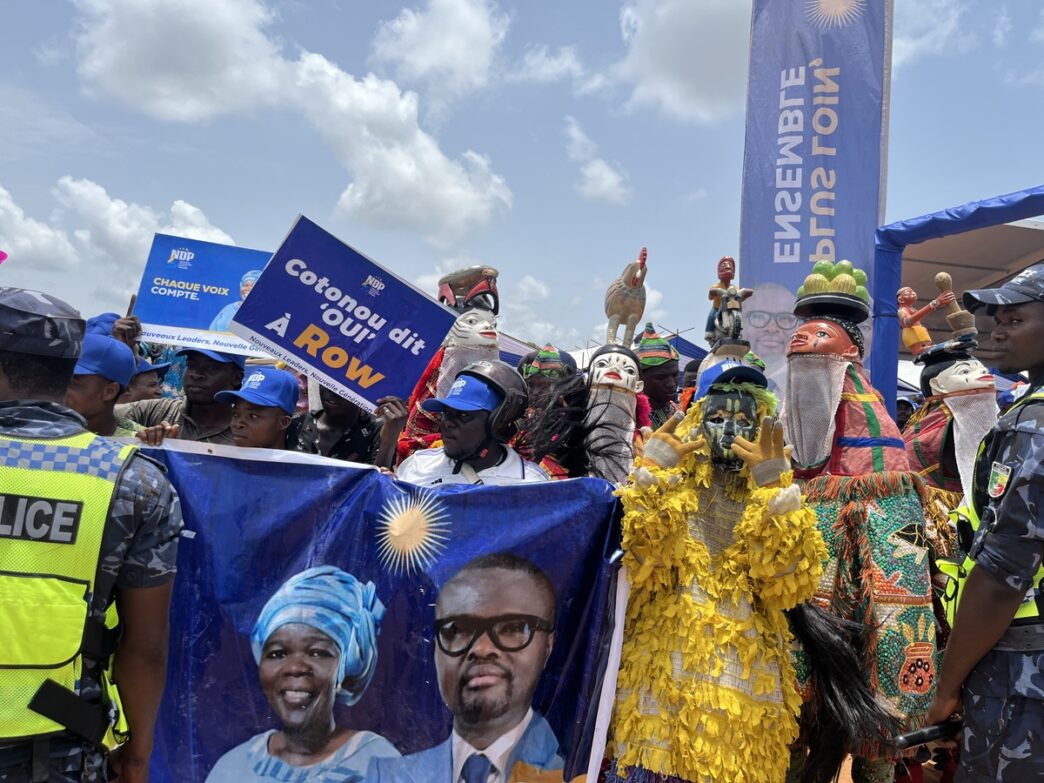
Benin is set to elect a new president on Sunday, with Finance Minister Romuald Wadagni widely viewed as the frontrunner following a decade of sustained economic growth under the outgoing administration.
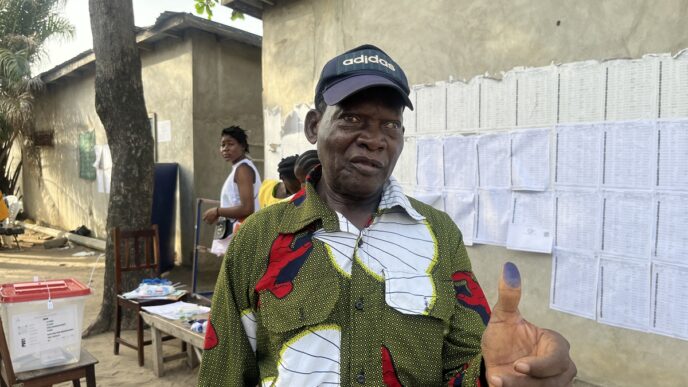
Nearly eight million registered voters are expected to participate in the ballot, which will determine the successor to Patrice Talon, who is stepping down after completing two five-year terms.
Wadagni, backed by the ruling coalition and endorsed by Talon, has positioned himself as the candidate of continuity, having played a central role in shaping the country’s economic trajectory. During his tenure at the finance ministry, Benin recorded consistent GDP growth exceeding six per cent annually, alongside expanded tourism and major infrastructure development.
However, the election landscape has been defined as much by its absences as its contenders. Opposition candidate Paul Hounkpe has mounted a subdued campaign, while the main opposition party, The Democrats, failed to field a candidate after its leader could not secure the parliamentary endorsements required to contest. This has raised concerns about competitiveness and inclusivity.
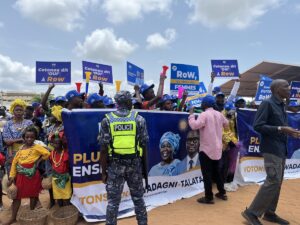
Political analyst Rufin Godjo noted the lack of vibrancy in the race, saying, “There can’t be any real enthusiasm; for that, you would need debate and each side would have to believe in its chances.” That sentiment is echoed by sections of the electorate. Arnold Dessouassi, a teacher, said, “I won’t go and vote, this election is not inclusive. You cannot talk about genuine democratic competition when some key political players are barred.”
Despite strong macroeconomic indicators, structural inequalities remain a pressing issue. With over 30 per cent of the population living in poverty, many citizens argue that the benefits of growth have not been evenly distributed. Addressing this disparity is expected to be central to the next administration’s agenda.
Security also remains a critical concern. Northern regions continue to face attacks linked to insurgent groups, particularly the Group for the Support of Islam and Muslims (JNIM), which has expanded its footprint from neighbouring countries. Stabilising these areas will be essential for sustaining economic progress.
As voters head to the polls, turnout will be closely watched. The outcome will not only shape Benin’s leadership but also define the balance between continuity, reform, and democratic credibility in the years ahead.