Trending
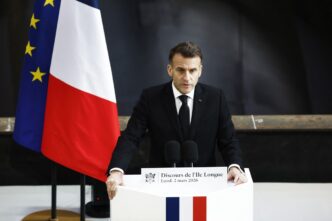
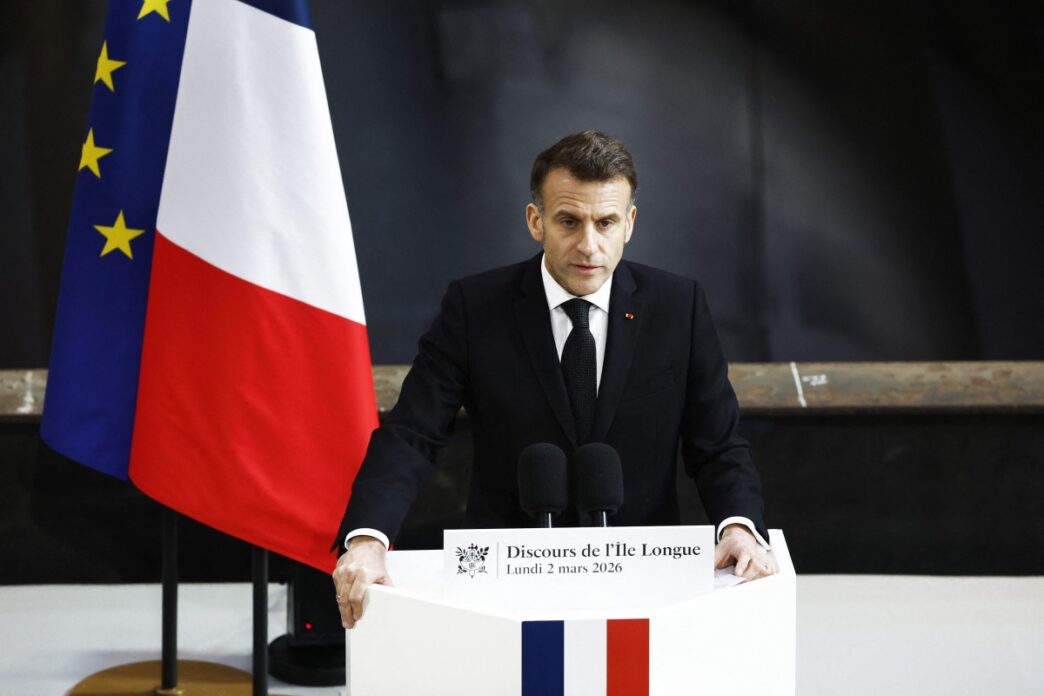
President Emmanuel Macron on Monday announced that France would expand its atomic arsenal and, for the first time, could deploy nuclear-capable aircraft to allied nations as part of a broader effort to reinforce security across Europe.
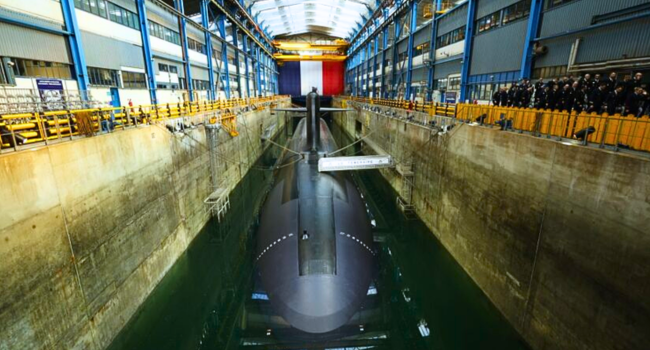
Speaking at the Ile Longue nuclear submarine base, Macron revealed that eight European countries — including Germany, Poland, Sweden and the United Kingdom—had agreed to participate in what he termed a “forward” nuclear deterrence initiative.
In a joint statement issued after the address, France and Germany confirmed the creation of a “nuclear steering group”, stressing that the arrangement would “add to, not substitute for, NATO’s nuclear deterrence”.
“We are currently experiencing a period of geopolitical upheaval fraught with risks,” Macron said, referencing the recent US and Israeli strikes against Iran.
“We must strengthen our nuclear deterrent in the face of multiple threats, and we must consider our deterrence strategy deep within the European continent, with full respect for our sovereignty.”
Macron stated that eight countries — also including the Netherlands, Belgium, Greece and Denmark — would be able to host French “strategic air forces” on a temporary basis. The aim, he explained, was to allow assets to be dispersed across Europe in order to complicate adversaries’ strategic calculations.
The initiative could also include the conventional participation of allied forces in French nuclear-related exercises, similar to recent drills involving British troops. However, Macron underscored that France would retain exclusive authority over nuclear decision-making.
France and Germany added that “first concrete steps” would begin this year, including German involvement in French nuclear exercises in a conventional capacity.
Macron emphasised that the proposal would operate alongside, rather than replace, the nuclear mission of the NATO.
“The forward deterrence we are proposing is a separate effort, which has its own value and is fully complementary to NATO’s, both strategically and technically,” he said.
He also confirmed that he had ordered an increase in the number of French nuclear warheads, though future details regarding the size of the stockpile would no longer be made public.
France is widely regarded as possessing the world’s fourth-largest nuclear arsenal, with approximately 290 warheads. Britain remains the only other European nuclear-armed state, while the United States and Russia each maintain arsenals numbering in the thousands.
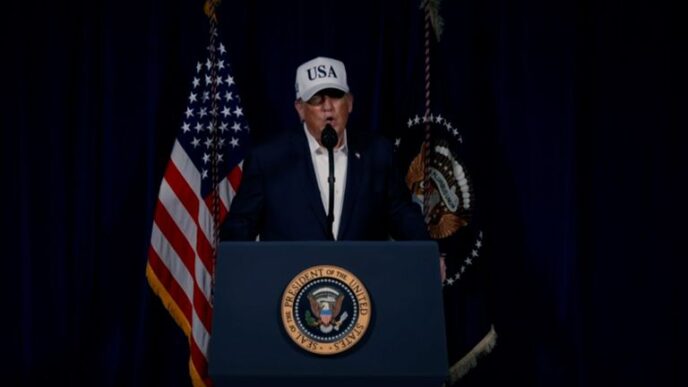
The announcement comes amid concerns among European allies about Washington’s long-term commitment to the continent under Donald Trump, and as Russia’s war in Ukraine enters its fifth year.
Polish Prime Minister Donald Tusk said Warsaw was in discussions with France and other partners on further measures. “We are arming up together with our friends so that our enemies will never dare to attack us,” he wrote on X.
Swedish Prime Minister Ulf Kristersson described the proposal as positive, while reiterating that Sweden ultimately favours a world free of nuclear weapons.
Domestic political dynamics could also shape the initiative’s future. A potential victory by the far-right National Rally, led by Marine Le Pen, in next year’s presidential election has raised questions about the continuity of European defence cooperation.
Rafael Loss of the European Council on Foreign Relations cautioned that electoral shifts could influence perceptions of France’s deterrent credibility among both allies and adversaries, particularly given recent political developments in the United States.