Trending


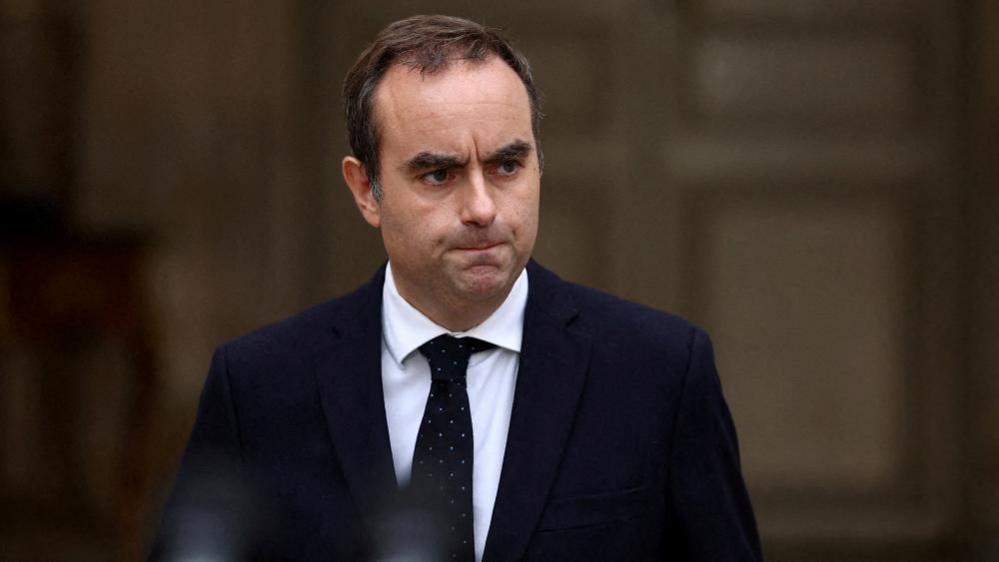
France’s Prime Minister Sébastien Lecornu is facing a decisive moment in office as parliament prepares to vote on a controversial social security bill on Tuesday, a key step in his pledge to pass the 2026 budget before the end of the year.
The vote could determine the survival of Lecornu’s minority government, with failure to secure enough backing likely to deepen France’s political instability and raise doubts about the administration’s ability to govern effectively. While the Socialist Party is expected to support the bill, opposition from the right and several centrist lawmakers has left the outcome uncertain, with critics arguing that the proposal makes excessive concessions to the left.
Far-right leader Marine Le Pen indicated her party is likely to oppose the legislation and renewed calls for an early election, arguing that the current political situation is unsustainable without a clear majority in parliament. Speaking to reporters, she warned that the reluctance among lawmakers to trigger fresh elections was in itself destabilising the country.
Socialist MP Ayda Hadizadeh, however, said her party would back the bill by a large margin, while also expressing concern over growing rhetoric suggesting parliament should be dissolved or the president should step down due to the lack of a strong governing majority.
Lecornu has urged lawmakers not to derail the process, warning that failure to pass the budget would have serious consequences. Writing on social media at the weekend, he acknowledged the bill was not flawless but described it as the best workable solution available. He stressed that a budget deadlock would damage France’s welfare system, public finances and democratic institutions.
France, the eurozone’s second-largest economy, is under mounting pressure to rein in its budget deficit, but political uncertainty has hampered progress ever since President Emmanuel Macron called snap elections last year, which resulted in a deeply divided parliament.
Determined to avoid the fate of two predecessors who were forced out after pushing through austerity measures, Lecornu has pledged not to use a controversial constitutional tool that allows governments to impose legislation without a parliamentary vote. As a result, the budget process has become prolonged, with lengthy debates over both the state budget and the social security framework.
In an effort to secure Socialist backing, the prime minister has also promised to halt implementation of the 2023 pension reform that raised the retirement age from 62 to 64. Under the current proposal, the reform would be delayed until 2028, after Macron leaves office.
If the lower house approves the social security bill, it will return to the Senate, where opposition remains strong, before coming back for a final vote in the National Assembly. Meanwhile, senators are due to vote on the wider state budget on December 15.
A rejection in the lower house would likely intensify calls for Lecornu to step down, although government spokeswoman Maud Bregeon said at the weekend that his resignation would serve no purpose.