Trending
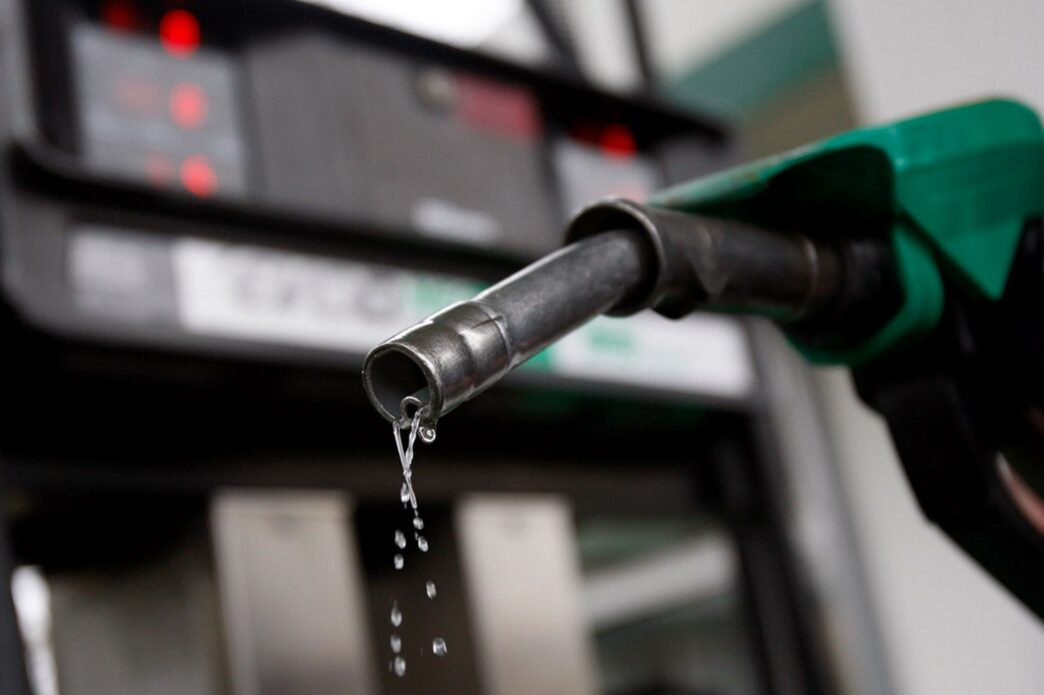
Fuel prices across Nigeria jumped to as high as N937 per litre on Tuesday as escalating military conflict in the Middle East sent global crude benchmarks surging.
The price hike follows a recent adjustment by the Dangote Petroleum Refinery, which raised its gate price from N774 to N874 per litre due to rising replacement costs and global market instability.
In cities like Lagos and Abuja, some filling stations have already pushed pump prices toward the N975 mark, reflecting the immediate impact of international airstrikes on the domestic supply chain.
Oil marketers and refinery operators are now calling on the Nigerian government to take urgent “proactive” steps to shield the economy from these external shocks.
The Petroleum Products Retail Outlet Owners Association (PETROAN) and the Crude Oil Refineries Association of Nigeria (CORAN) have urged the Nigerian government to expand the “Naira-for-Crude” policy.
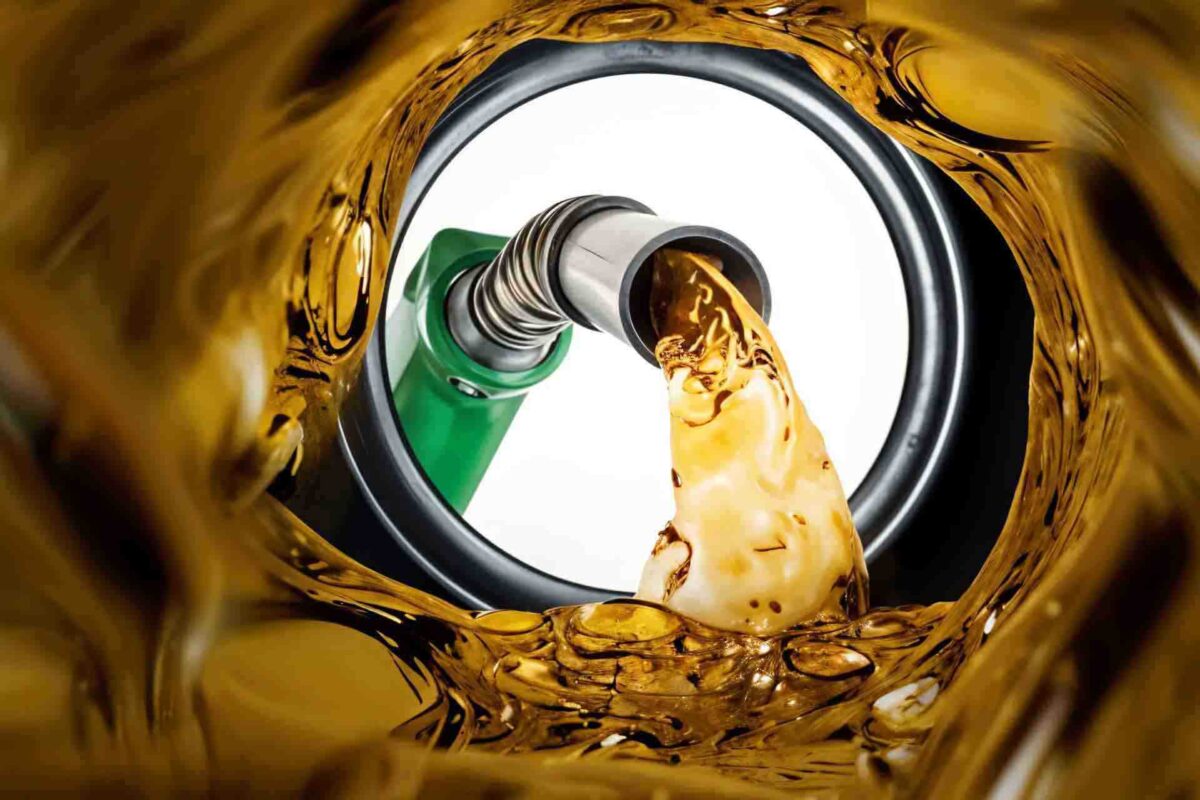
Advocates argue that by ensuring that the Dangote refinery and other modular refineries receive a consistent supply of crude oil paid for in local currency, the country can reduce its reliance on foreign exchange volatility and stabilise pump prices.
The ongoing hostilities involving the U.S., Israel, and Iran have specifically threatened the Strait of Hormuz, a vital artery for 20% of the world’s oil.
With Brent crude climbing toward $85 per barrel, analysts warn that if the Nigerian government does not intervene to strengthen local refining capacity, petrol prices could soon exceed N1,000 per litre.
Beyond fuel costs, the Nigerian government has been cautioned that sustained high energy prices will likely drive up national inflation and further strain the financial stability of households and small businesses.