Trending
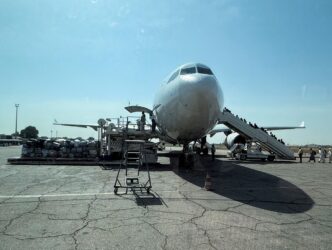
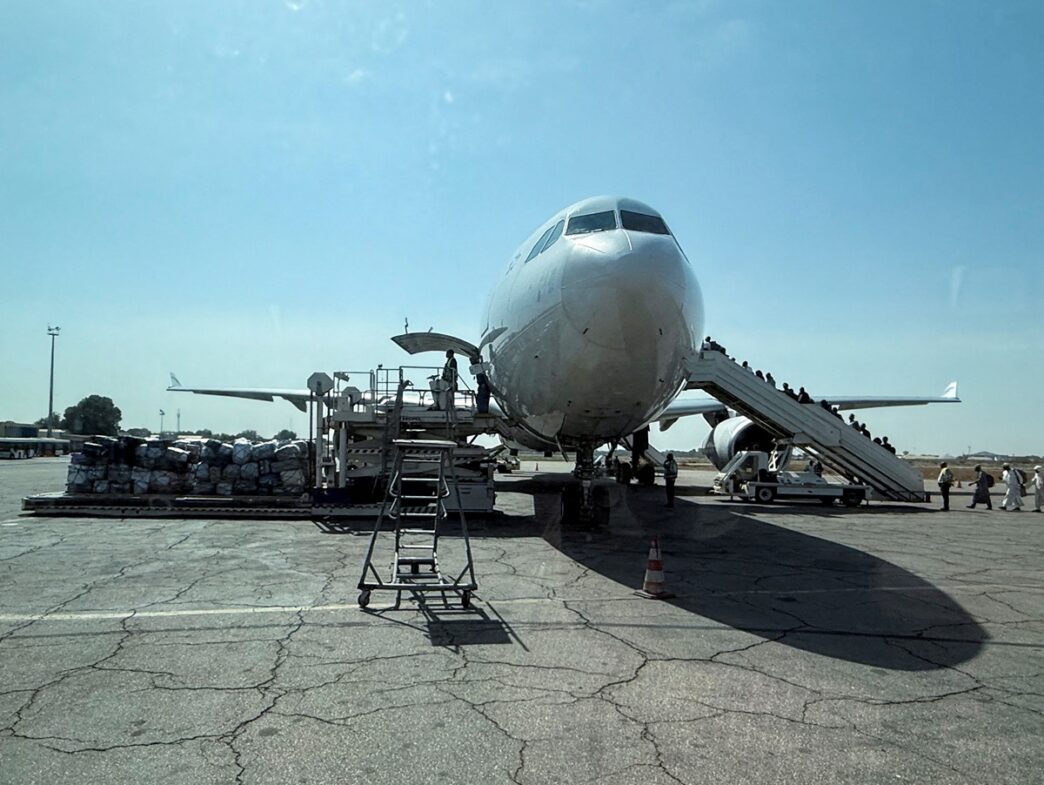
African airlines are coming under growing pressure as turmoil in global fuel markets, driven by the US-Israel war with Iran, continues to push costs sharply higher.
Jet fuel prices have surged worldwide, but the impact is being felt more acutely across Africa, where the aviation sector is heavily reliant on imports. Around 70 percent of the continent’s jet fuel and kerosene supplies pass through the Strait of Hormuz, a critical shipping route now effectively blocked by Iran.
Since the conflict escalated last month, traffic through the strait has slowed dramatically, disrupting supply and taking a significant share of global oil off the market.
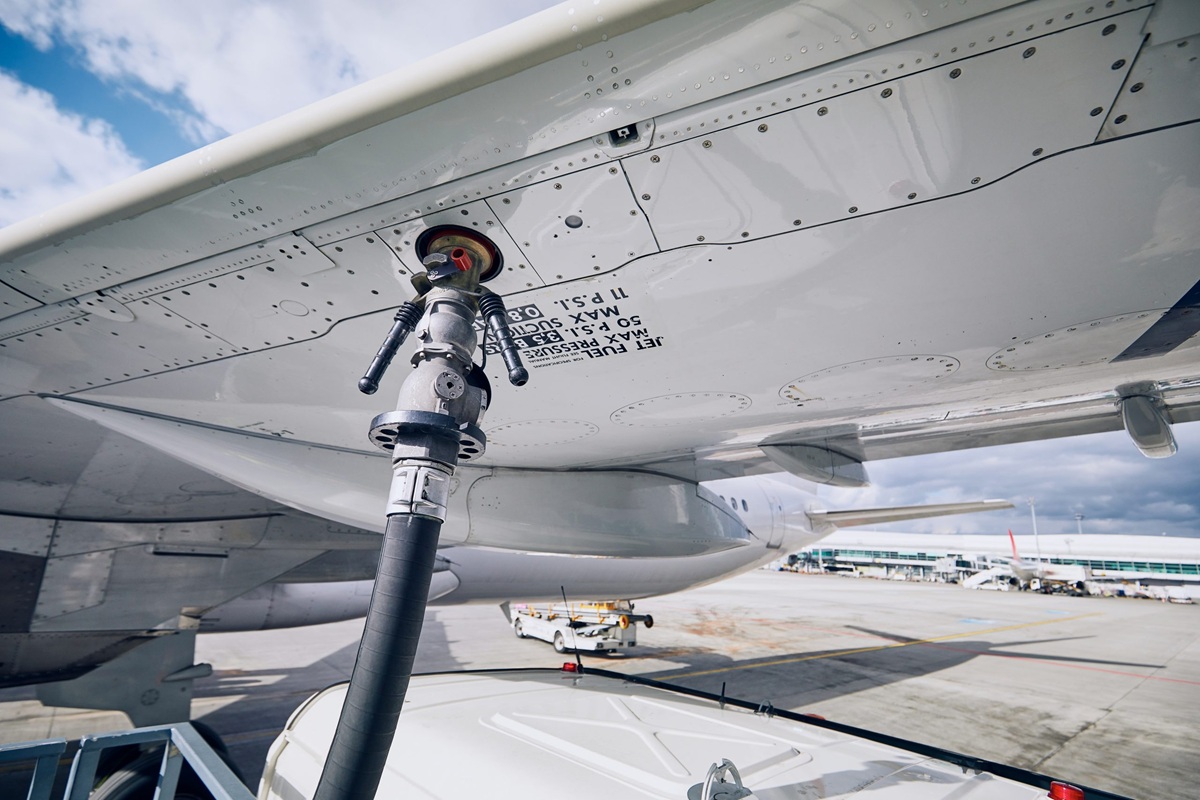
The resulting squeeze has sent fuel prices climbing and left airlines scrambling to manage rising expenses.
For African carriers, the stakes are especially high. Jet fuel already makes up between 30 and 40 percent of operating costs — a much larger share than in many other regions. For low-cost airlines, that figure can climb to as much as 55 percent, deepening the financial strain.
The volatility is also making it harder for airlines to plan ahead. With fuel prices shifting rapidly, operators are finding it difficult to set ticket prices or schedule routes with confidence, as locking in fares too early could lead to losses if costs spike further.