Trending
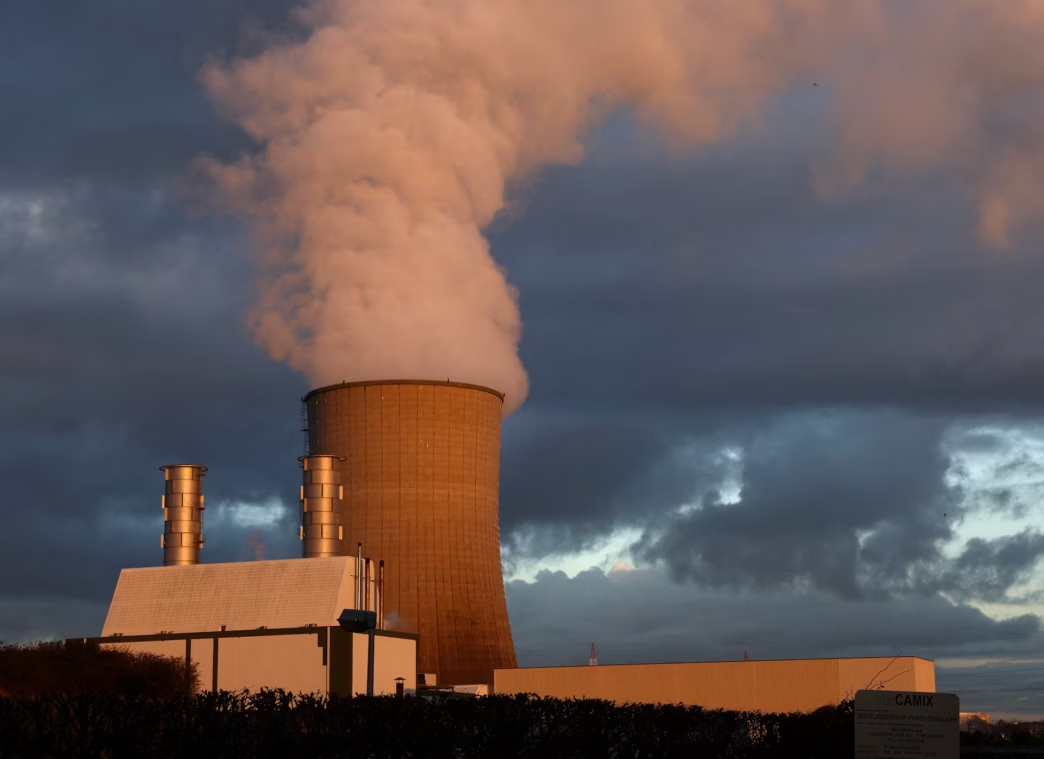
Germany’s progress in reducing greenhouse gas emissions experienced a dramatic slowdown in 2025, falling by a mere 1.5 per cent compared to the much sharper declines in previous years.
This stagnation, highlighted by climate think tank Agora Energiewende, suggests that Europe’s largest economy is losing its grip on its environmental targets.
The cooling of climate action coincided with a disturbing milestone in the natural world: the North Sea recorded its warmest year since data collection began in 1969, with average temperatures climbing to 11.6°C.
The data has placed Chancellor Friedrich Merz’s conservative-led government under intense scrutiny.
Critics argue that the administration’s recent policy shifts—such as opposing the EU’s 2035 combustion engine ban and rolling back renewable heating mandates—are actively undermining the nation’s 2030 goal of a 65 per cent emission reduction.
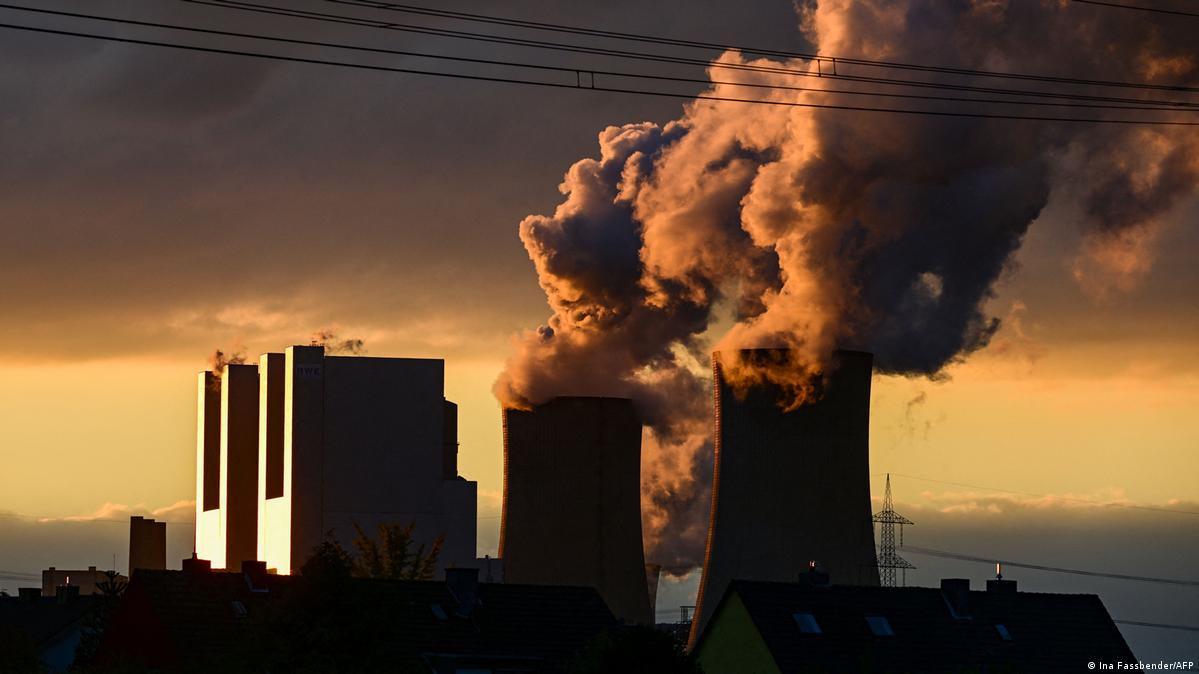
While the government maintains these rollbacks are necessary to protect a struggling economy, environmental experts warn that “major uncertainties” now cloud the path toward climate neutrality.
Despite the overall stagnation, 2025 provided some silver linings in the transition to green energy.
For the first time, sales of environmentally friendly heat pumps outpaced traditional gas boilers, and electric vehicles now account for approximately 20 per cent of new car registrations.
Additionally, record-breaking solar power generation helped offset some of the industrial sluggishness. However, these gains were largely neutralised by rising emissions in the transport and building sectors, which have historically struggled to modernise.
Looking ahead, the German environment ministry has signalled that a new, comprehensive climate protection programme is in development to bridge the widening gap.
Experts emphasise that the current total of 640 million tonnes of emissions leaves no room for political indecision.
If Germany is to reach its 2045 neutrality target, the “transition year” of 2025 must be followed by a rapid acceleration in legislative overhauls for renewable energy and infrastructure.