Trending
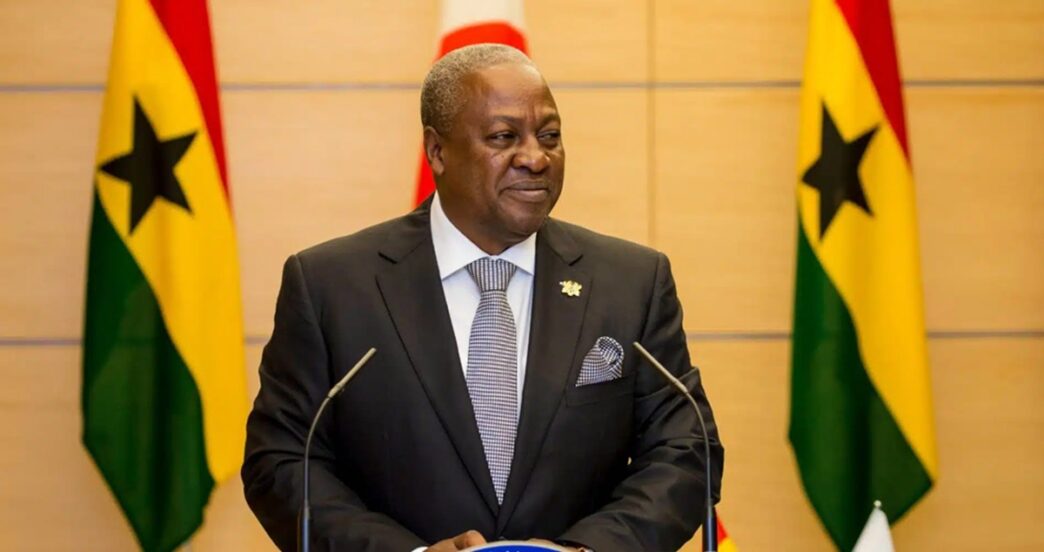
Ghana has moved to settle a nearly decade-long maritime boundary dispute with neighbouring Togo through international arbitration.
The decision, announced by government spokesman Felix Kwakye Ofosu on Friday, follows eight years of bilateral negotiations that failed to produce a definitive agreement.
Accra has now formally notified Lomé that the border will be delimited under the United Nations Convention on the Law of the Sea (UNCLOS) framework to ensure a final, legally binding resolution.
The push for arbitration is a strategic move to prevent the “escalation of incidents” that have fuelled diplomatic friction between the two West African nations.
This approach mirrors Ghana’s successful 2017 legal battle against the Ivory Coast, which was resolved by the International Tribunal for the Law of the Sea.
By pursuing a similar path with Togo, Ghana aims to eliminate the ambiguity that currently clouds tens of thousands of square kilometres of offshore territory.
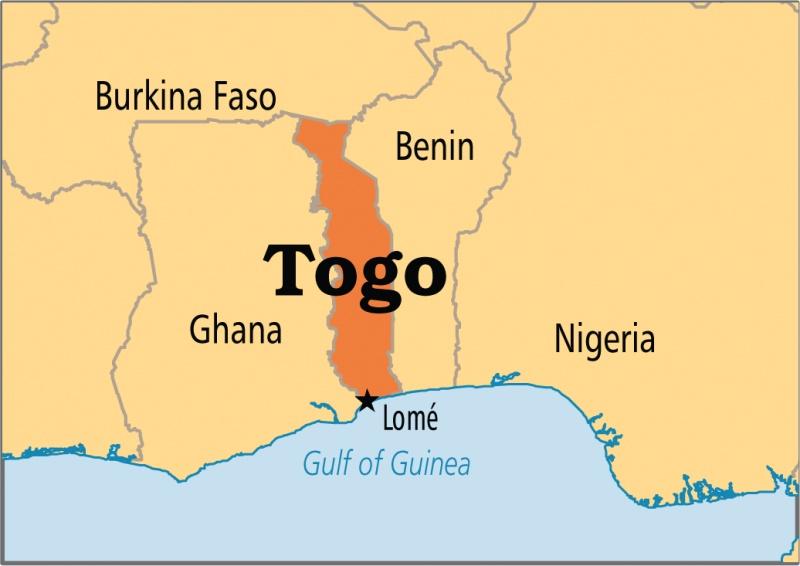
Securing a clear border is critical for both the regional economy and international energy markets.
Ghana’s offshore waters are home to vital oil and gas blocks, as well as essential fishing grounds that support hundreds of thousands of local livelihoods.
Due to unresolved claims that can often stall exploration, financing, and insurance for energy projects, clear boundaries are seen as a prerequisite for attracting the long-term investment needed to expand Ghana’s commercial oil output.
Beyond oil, the maritime sector is the backbone of Ghana’s trade, with approximately 90% of all national commerce passing through the major ports of Tema and Takoradi.
For Togo, which has a significantly shorter coastline, the arbitration provides a formal mechanism to address overlapping claims that have become increasingly sensitive as offshore resources gain value.
Both nations now look toward the UN framework to provide the legal certainty necessary for peaceful economic co-existence.