Trending
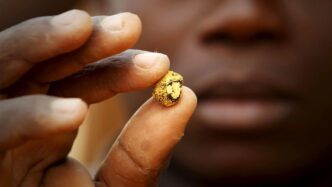

Ghana is preparing sweeping changes to its mining laws to secure a larger share of the revenue generated by soaring gold prices. This move has unsettled foreign mining companies operating in Africa’s leading gold-producing nation.
The planned reforms would revise a mining framework that has remained largely unchanged for over a decade and currently grants foreign operators favourable tax and royalty terms, leaving the state with a relatively small stake in mining profits.
Officials say the overhaul is aimed at closing that gap as global demand for gold and other critical minerals continues to rise.
The acting chief executive of the Minerals Commission, Isaac Andrews Tandoh, said the existing policy had not been reviewed since 2014 and no longer reflected market realities, making reforms unavoidable.
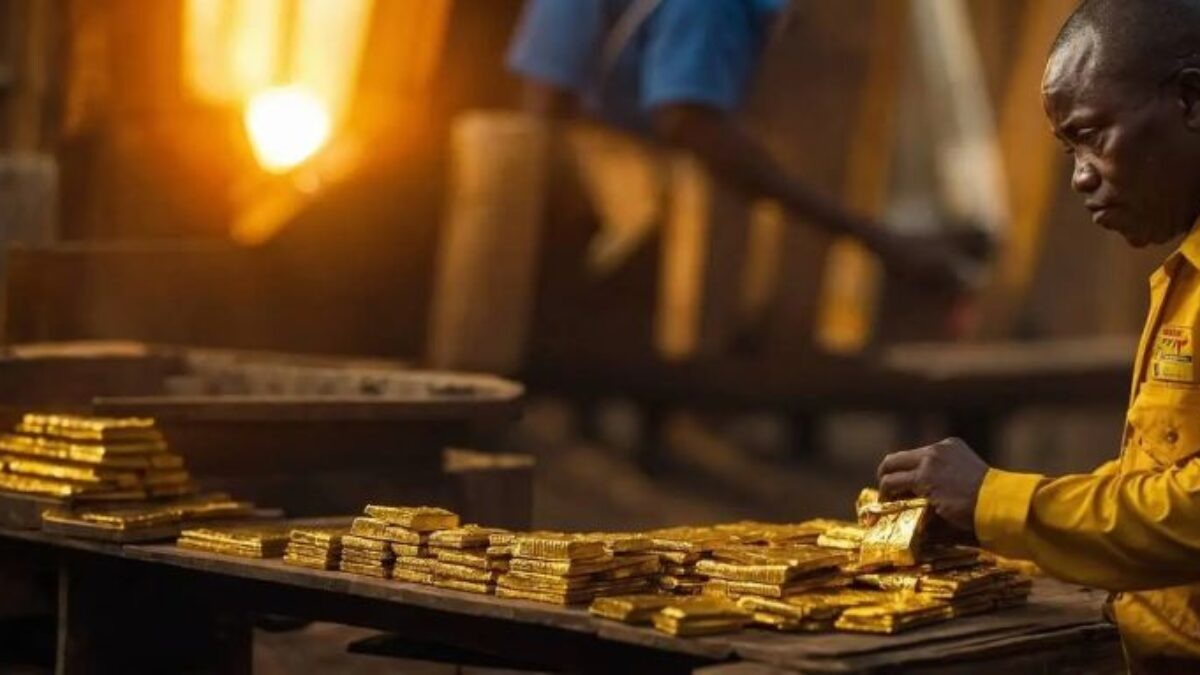
“What we have since 2014 is a policy that has not been reviewed. We had to do something to bridge this gap.”
Under proposals expected to reach parliament by March, mining royalties would increase significantly, from the current three to five percent to between nine and 12 percent, depending on international gold prices.
Authorities also plan to abolish development agreements that lock in fiscal terms for up to 15 years and to reassess stability clauses that protect investors from future policy changes.
Ghana, the world’s sixth-largest gold producer, relies heavily on foreign firms such as Newmont, Gold Fields, AngloGold Ashanti and Perseus Mining for large-scale production.
Regulators argue that while companies often receive long-term fiscal protections in exchange for investments running into hundreds of millions of dollars, some have failed to meet development commitments, instead using proceeds from Ghana to acquire assets elsewhere.
The proposed changes align Ghana with other African countries,including Mali, Tanzania and the Democratic Republic of Congo, that have recently tightened control over their mining sectors to capture more value from commodity booms.
Gold prices have surged sharply, rising more than 65 percent this year and reaching record highs above $5,100 an ounce earlier this week, intensifying calls for governments to renegotiate mining terms.
Mining policy analyst Wisdom Gomashie said Ghana currently captures only about 10 percent of the total value of its mineral output through royalties, dividends and taxes. While he acknowledged that the government’s objective was justified, he cautioned that aggressive reforms could undermine investor confidence if not carefully balanced.
He also warned that removing stability agreements while raising royalties could discourage long-term investment and complicate access to international financing.
Industry groups have also stated their concerns. The Ghana Chamber of Mines said companies were not opposed to the state increasing its earnings but warned that excessive fiscal pressure could erode the country’s competitiveness.
Chamber chief executive Kenneth Ashigbey said the industry was seeking a middle ground that allows the government to secure sustainable revenues while enabling miners to reinvest and expand operations during a period of high gold prices.
Large-scale miners in Ghana already face a substantial tax burden, including a five percent royalty on gross revenue and a 35 percent corporate income tax, according to the chamber.
Beyond fiscal reforms, authorities have also tightened gold trading rules, particularly in the small-scale mining sector, to combat smuggling and improve transparency.
The Gold Board said new licensing and tracking systems have strengthened oversight and boosted foreign exchange earnings by improving traceability across the supply chain.
Ghana earned approximately $10.5 billion from gold exports last year, but mounting fiscal pressure has increased the urgency for reforms.
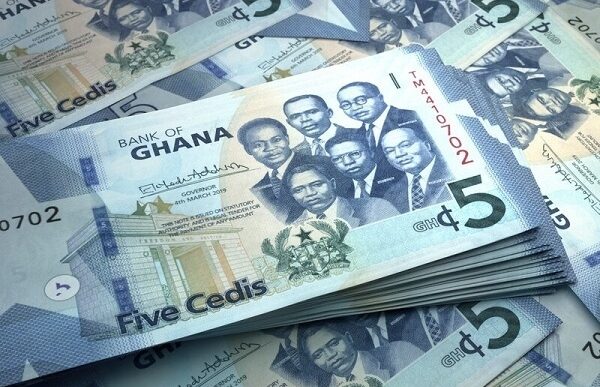
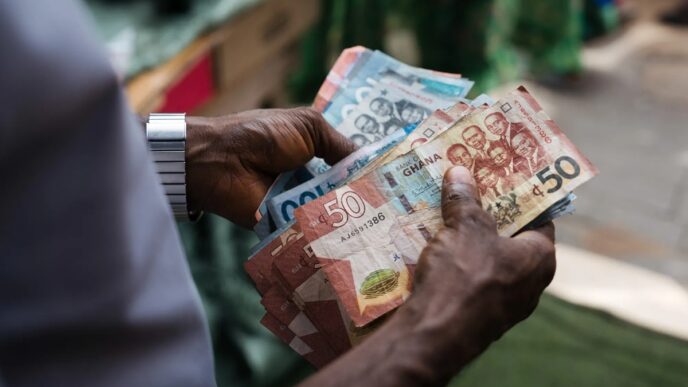
The country ended 2025 as Africa’s fourth-largest debtor to the International Monetary Fund (IMF), owing $4.1 billion, and recently received an additional $365 million under a bailout programme. Public debt stood at 684.6 billion cedis ($55.1 billion) in September, intensifying the push for domestic revenue mobilisation and economic stabilisation.