Trending
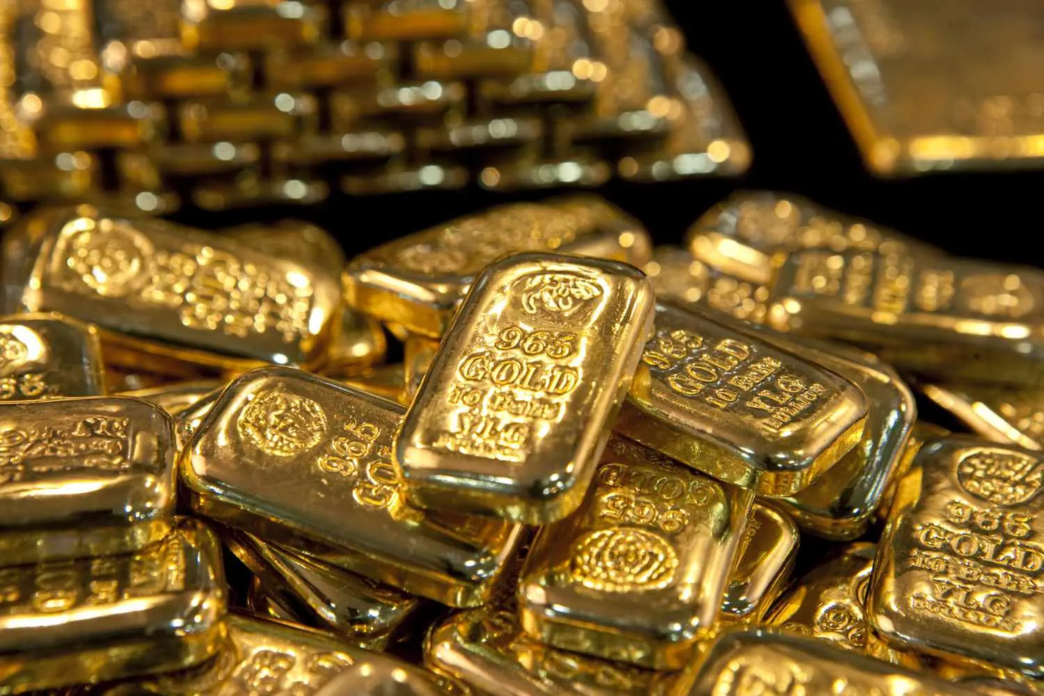
Ghana has ordered certain gold exporters to refine gold dore locally before shipping it abroad. The new rule, which took effect on September 1, applies to Self-Financing Aggregators (SFAs) exporting gold dore bought through approved offtakers.
Gold dore is semi-refined gold that requires further processing before becoming bullion.
The Ghana Gold Board (GoldBod) issued the directive on August 24 under the Ghana Gold Board Act, 2025, which gives it authority over gold buying, selling, assaying, refining and exports. The policy is designed to keep more of the value generated by Ghana’s gold industry within the country.
Read More : Canada Begins Free Trade Talks With Turkey
Clement Edem Asare Morjah, chief executive of licensed SFA United Gold International Limited, said the policy could transform Ghana’s gold industry.
“For the first time since independence, we have a government determined to make sure Ghana benefits from our biggest resource, gold,” he said.
Morjah said local refining could help Ghanaian companies keep profits that have traditionally gone to overseas processors.
“In the entire value chain between refining and raw processed gold, the cost in between is a lot of margins. Historically, we have lost this to the outside world for decades,” he said.
However, he said the short notice had created difficulties for companies with existing contracts that may now need changes. GoldBod required SFAs to amend existing offtake agreements by August 31.
Export applications will only be processed after the gold has been refined locally, required charges paid, and other regulations met. GoldBod media relations officer Prince Kwame Minkah said the policy would help Ghana gain more from its gold resources.
“Ghana is one of the top gold-producing countries in the world, so we need to truly maximise national benefits,” he said. “Value addition is key.”
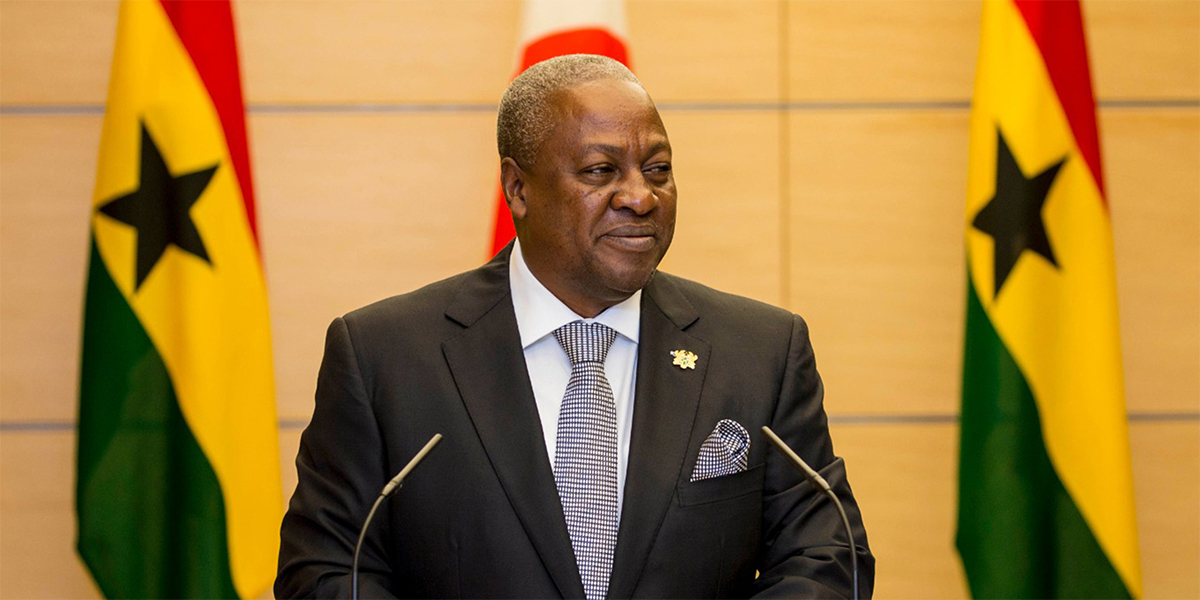
Minkah said the policy supports President John Mahama’s goal of ensuring Ghana exports its natural resources with greater value addition by 2030.
“The value addition is what will culminate in the building of a gold industry in Ghana,” he said.
He added that local refining could create jobs, reduce payments to foreign processors and supply refined gold to industries such as jewellery manufacturing.
GoldBod also plans to develop a gold village modelled on Dubai’s Gold Souk.
Ghana currently has four licensed gold refineries, including Gold Coast Refinery and Royal Ghana Gold Refinery. Gold Coast Refinery, which opened in 2016, can process up to two tonnes of gold weekly, while Royal Ghana Gold Refinery, commissioned in August 2024, has a daily capacity of 400 kilogrammes.
Read More : Poland Faces New Abortion Rights Protests
GoldBod has supply agreements with both refineries, including an arrangement to supply Gold Coast Refinery with at least one metric tonne of gold weekly.
Minkah also said GoldBod was developing what he described as “the largest refinery on the African continent” in Ghana.
Ghana produced nearly six million ounces, or about 185 tonnes, of gold in 2025, with small-scale mining accounting for about 96 tonnes. Gold export earnings rose to about $20 billion in 2025, almost double the $10.3 billion recorded in 2024.