Trending
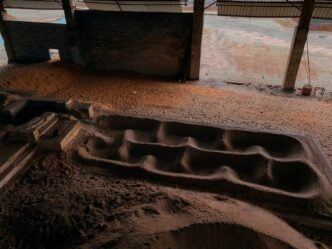
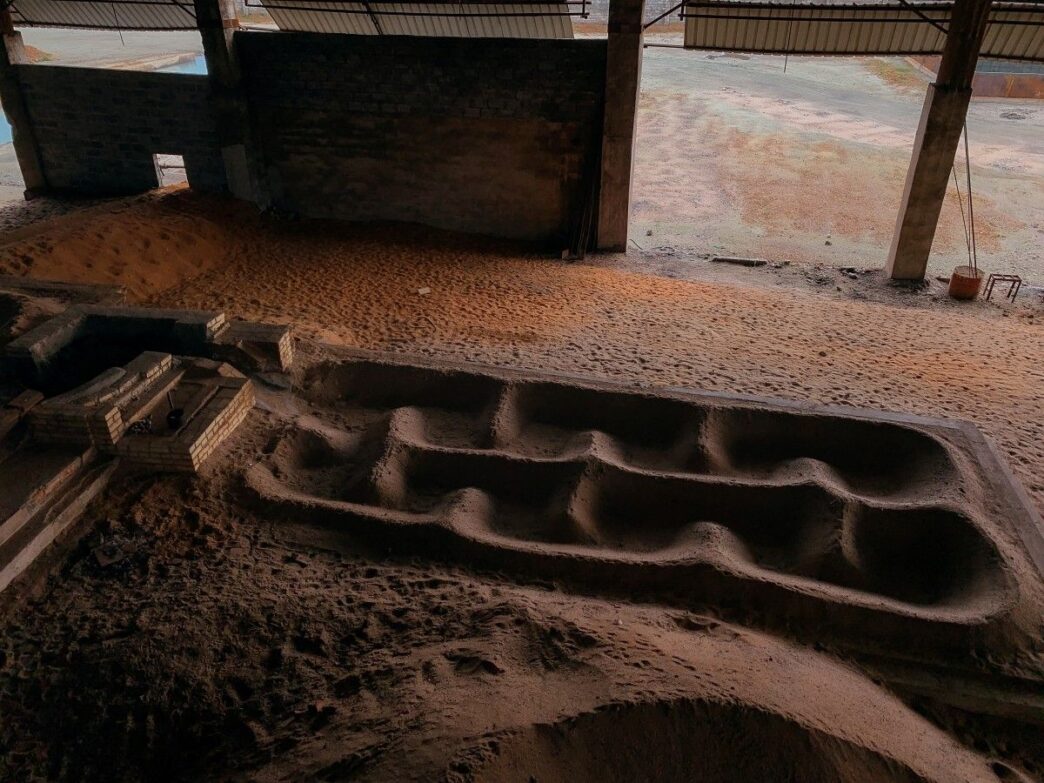
Five years after Zambia became Africa’s first Covid-era debt defaulter, the country is experiencing a dramatic economic turnaround driven by a booming copper industry.
As the global demand for copper surges—driven by sectors such as artificial intelligence, green energy, and defence—the race for access to Zambia’s vast copper reserves has intensified, with major powers vying for control of this precious resource.
Copper is a critical component for solar panels, electric vehicles, power grids, and data centres, and rising demand for these technologies has driven copper prices to new highs. Zambia, Africa’s second-largest producer of copper and the world’s eighth-largest, has seen a revival in investments, attracting over $12 billion into the mining sector since 2022.
President Hakainde Hichilema proudly declared at the African Mining Indaba that “we have the investors back,” showcasing Zambia’s stable political environment and burgeoning mining sector.
The country’s copper industry generates 15% of Zambia’s GDP and over 70% of its export earnings. In 2022, output rose 8% to exceed 890,000 metric tons, and the government aims to triple production over the next decade, fueling projections of 5.2% economic growth in 2025 and 5.8% this year.
However, the rapid growth of Zambia’s mining industry has raised concerns about environmental damage and the risks of “pit-to-port” extraction, where raw copper is shipped abroad with little value added locally.
“The seeds are sprouting, and the harvest is coming,” Hichilema remarked, emphasising a planned geological survey to map untapped copper deposits.
As Zambia’s copper assets attract geopolitical interest, China, the US, Canada, and several Gulf states are all expanding their influence in the region. Chinese firms have long dominated Zambia’s mining sector, controlling major stakes in mines and smelters. Recently, US investors have re-entered the market with projects such as “Project Vault,” a $12 billion initiative to secure critical minerals and reduce reliance on China.
Despite Zambia’s newfound wealth from copper, over 70% of the population lives in poverty, according to the World Bank.
Critics like Deprose Muchena of the Open Society Foundation warn that Zambia’s mineral wealth must not repeat the colonial-era pattern of resource exploitation, in which profits benefited the elite at the expense of the broader population. He stresses that sustainable governance, community rights, and environmental responsibility must be central to Zambia’s copper boom.
Environmental damage, such as the 2025 tailings dam disaster that spilt millions of litres of toxic waste into a local river, is a stark reminder of the cost of this copper rush. As Zambia’s copper industry continues to expand, it remains crucial that both global and local stakeholders prioritise responsible mining practices to ensure the benefits are felt by all.
Zambia’s copper boom marks a dramatic new chapter in global mineral trade, but whether it benefits Zambia’s people will depend on governance and sustainable practices at the heart of the industry.
Headline:
“Zambia’s Copper Rush Stirs Global Rivalry”